The right to remember. The right to have a voice. The right to be heard.

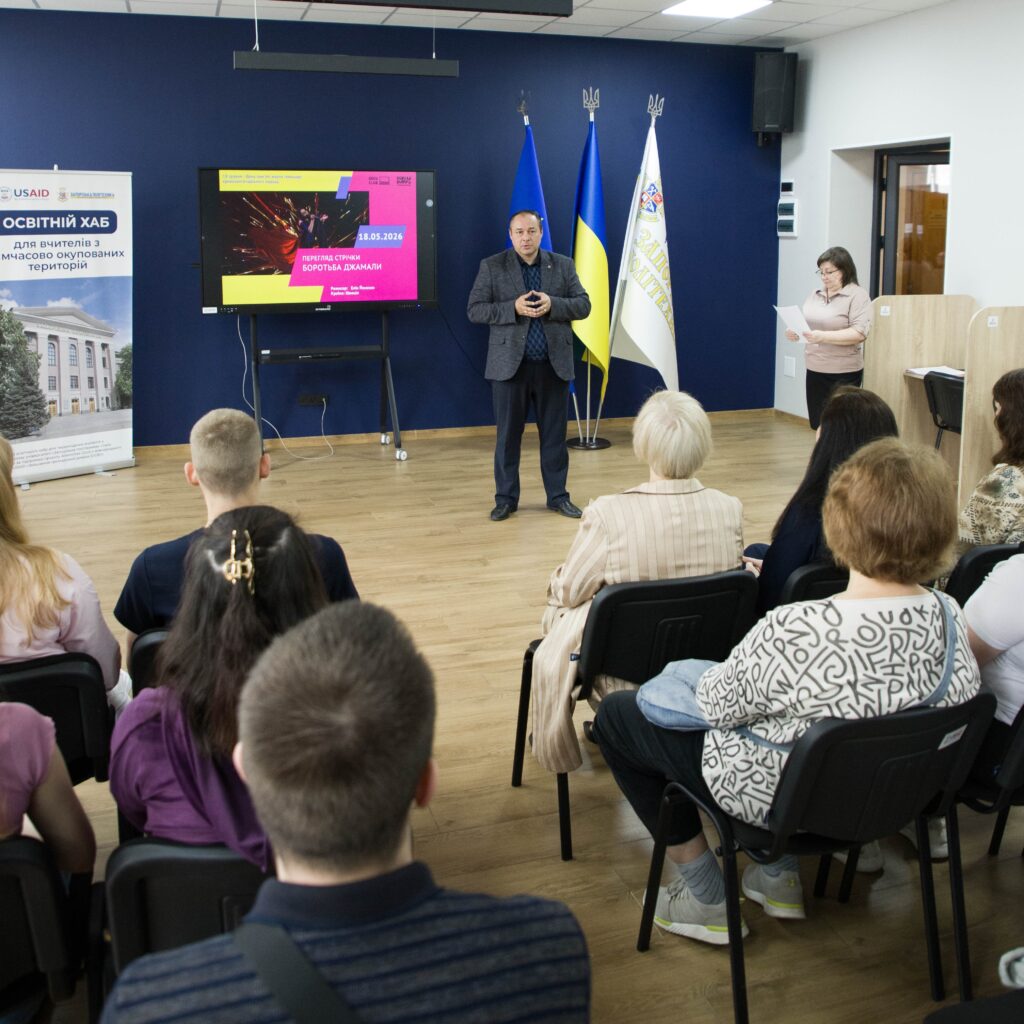
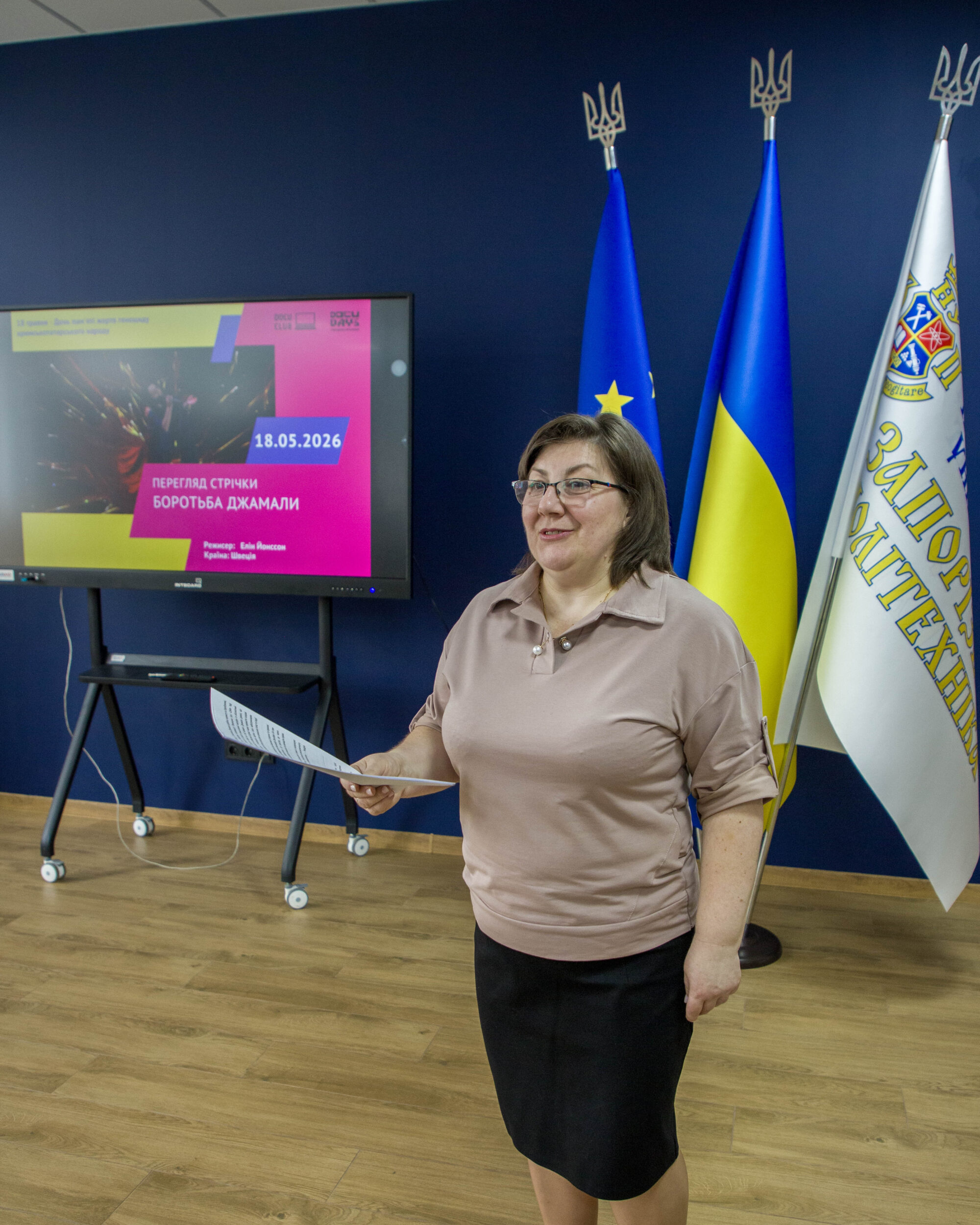
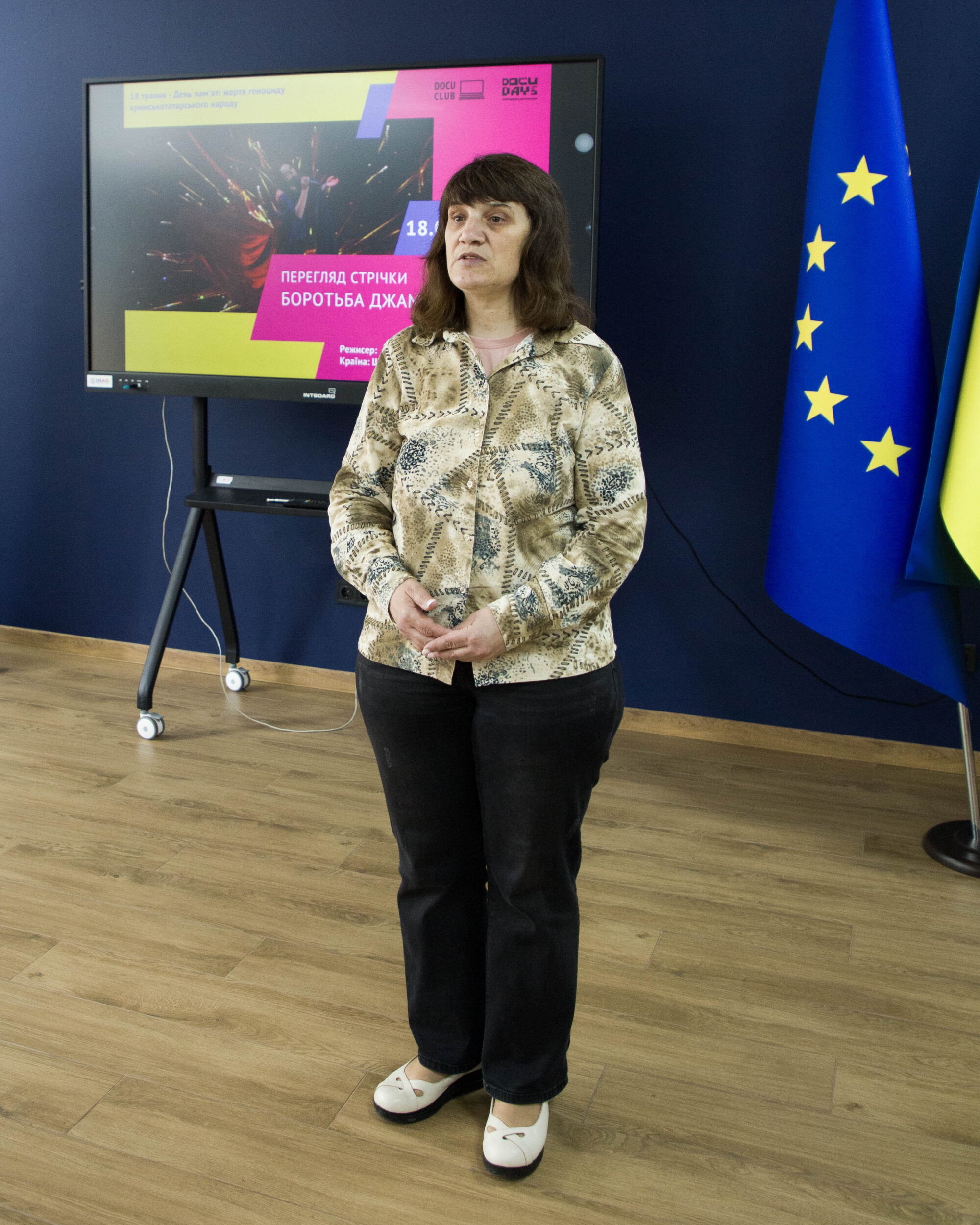
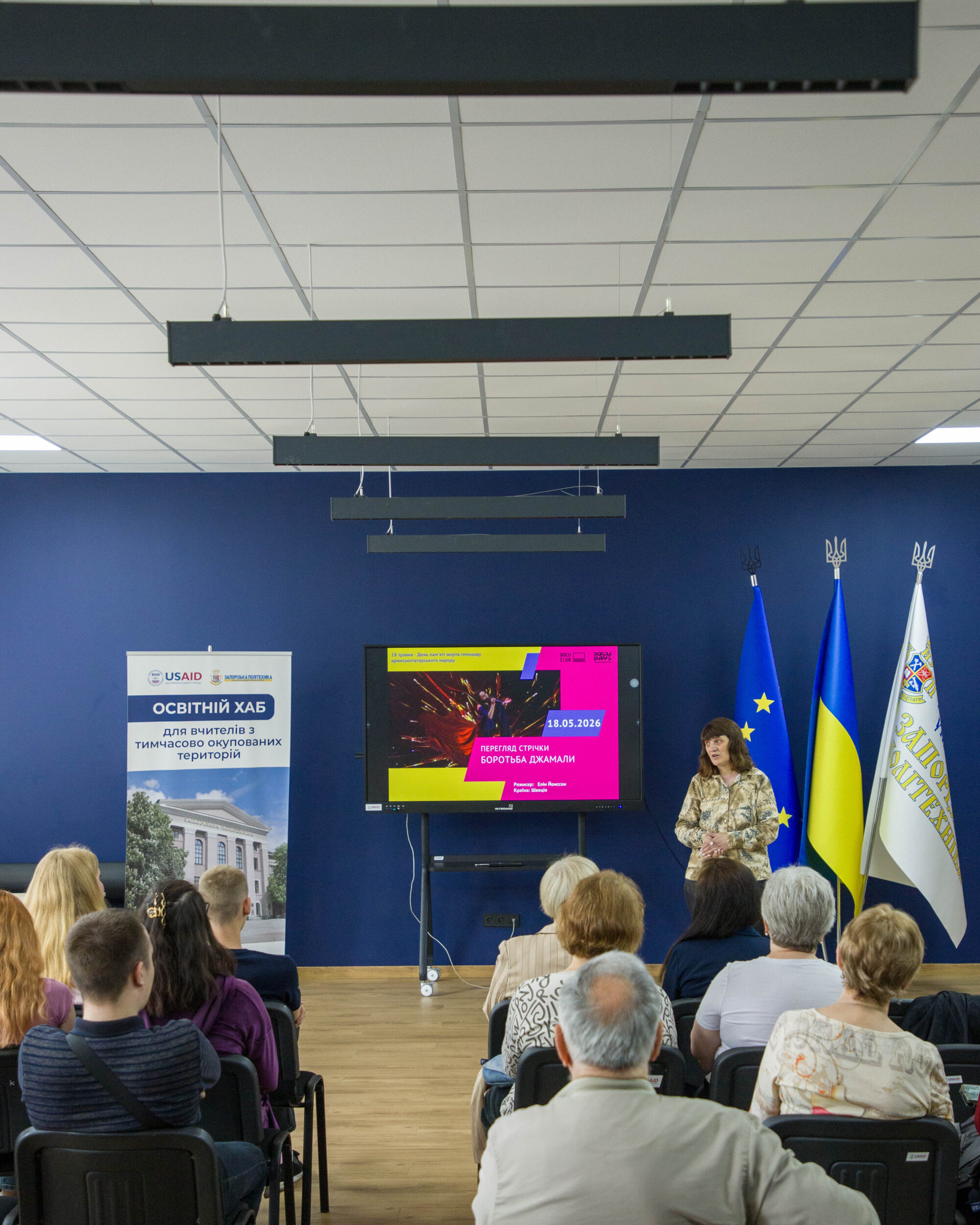
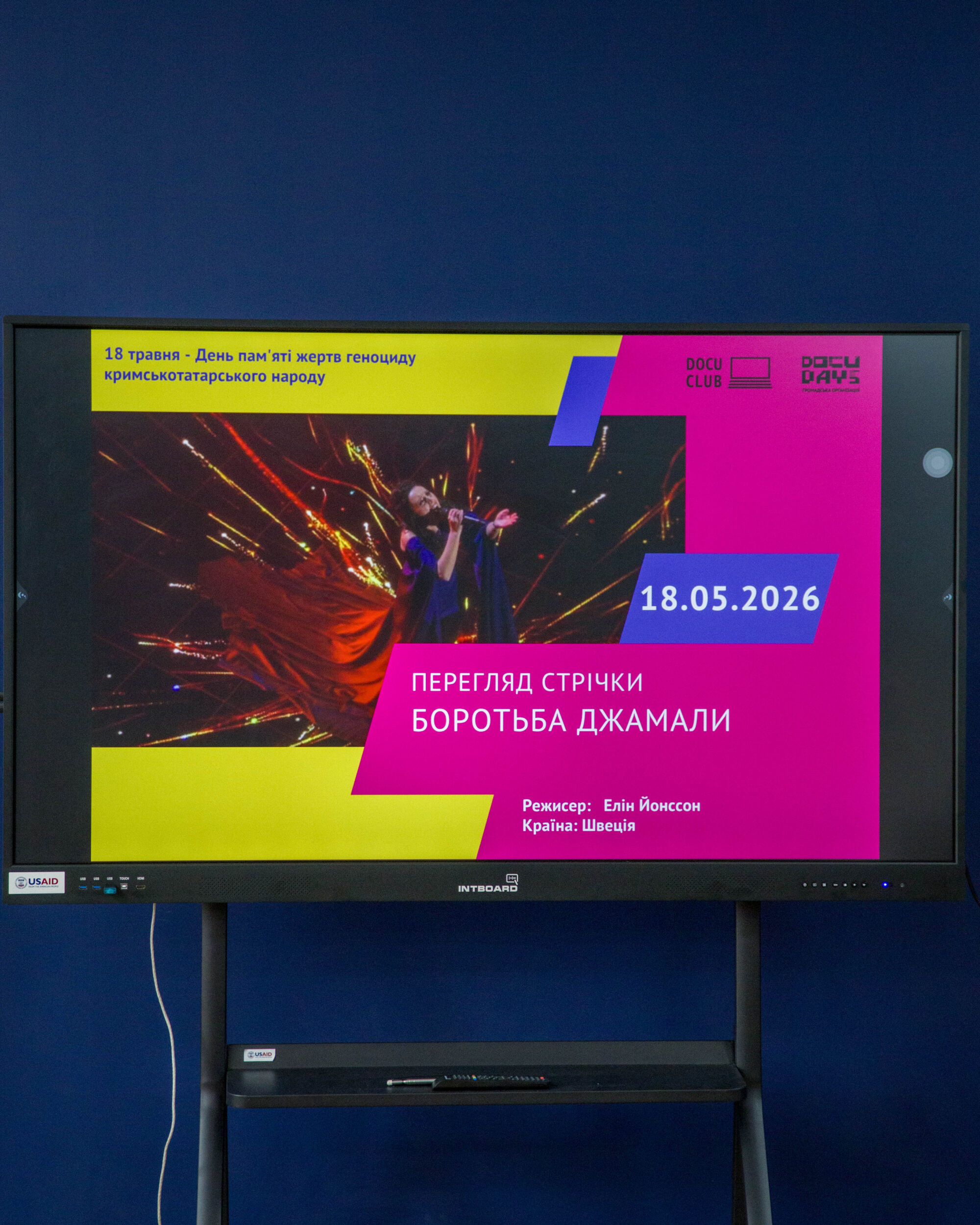
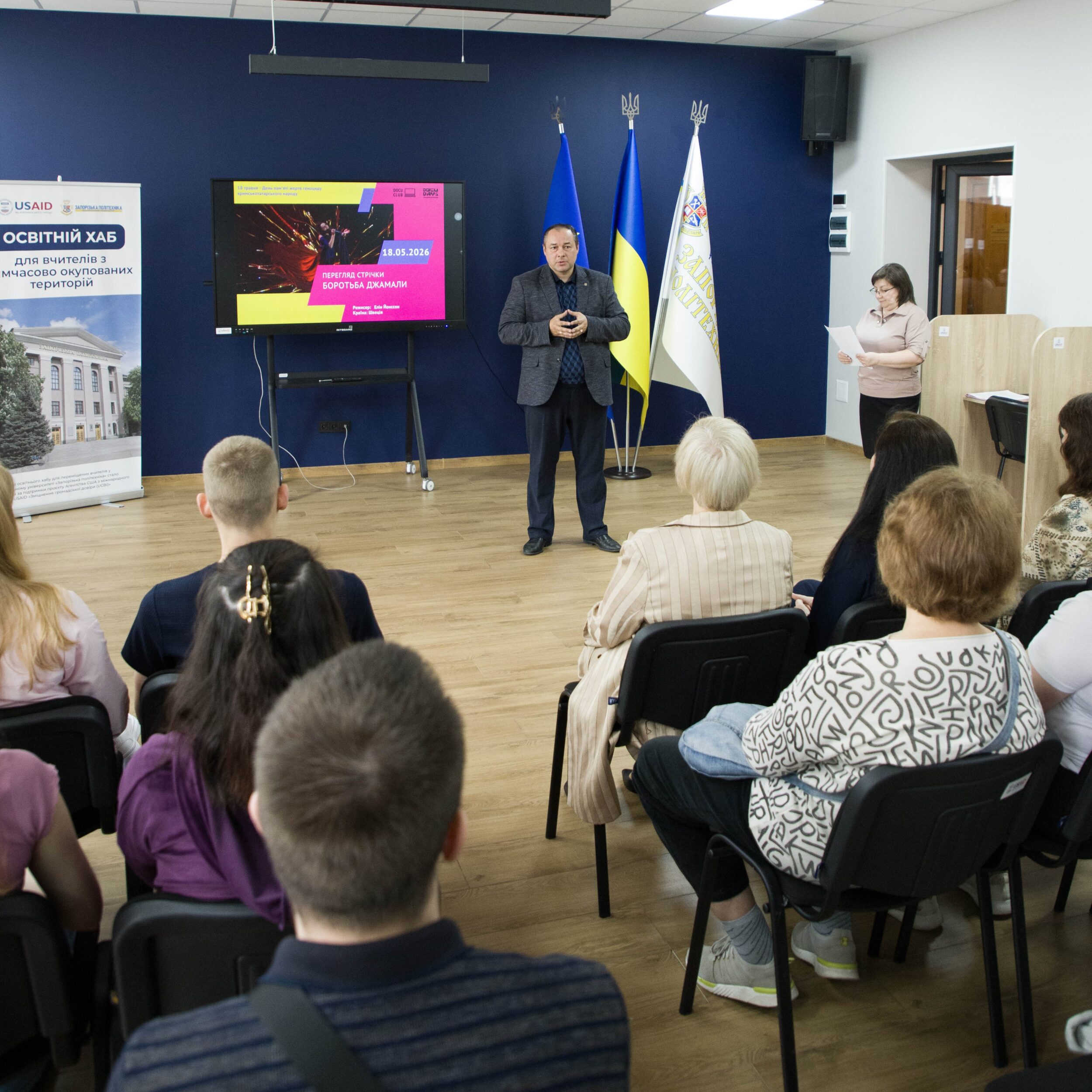
On May 18, a significant event took place in the Scientific Library of Zaporizhia Polytechnic National University – the official opening of the Docudays UA Human Rights Media Education Film Club at the university. The first meeting was the human rights event “Djamala’s Struggle: the Right to Memory and the Voice of the People”, dedicated to the Day of Remembrance of the Victims of the Deportation of the Crimean Tatar People.
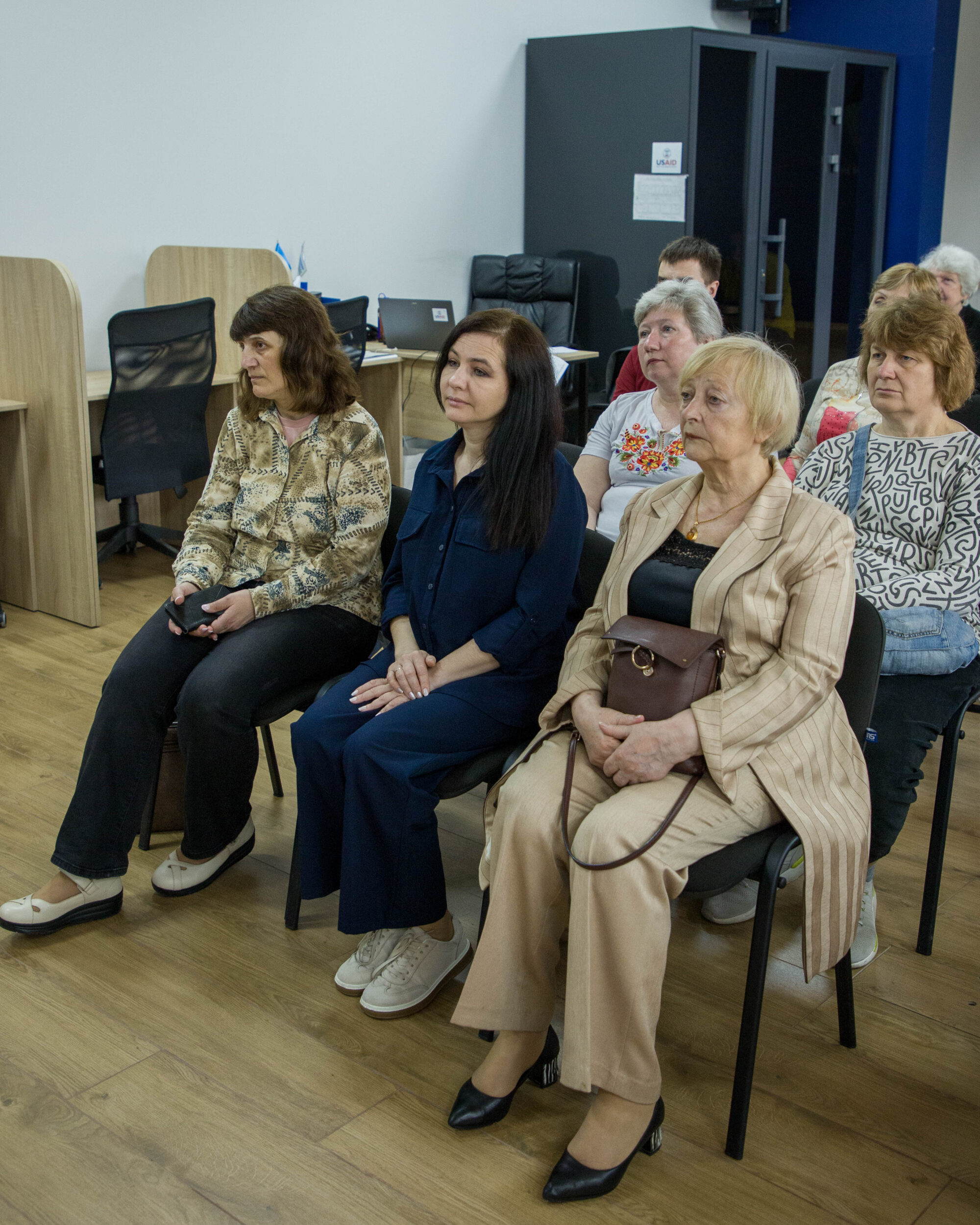
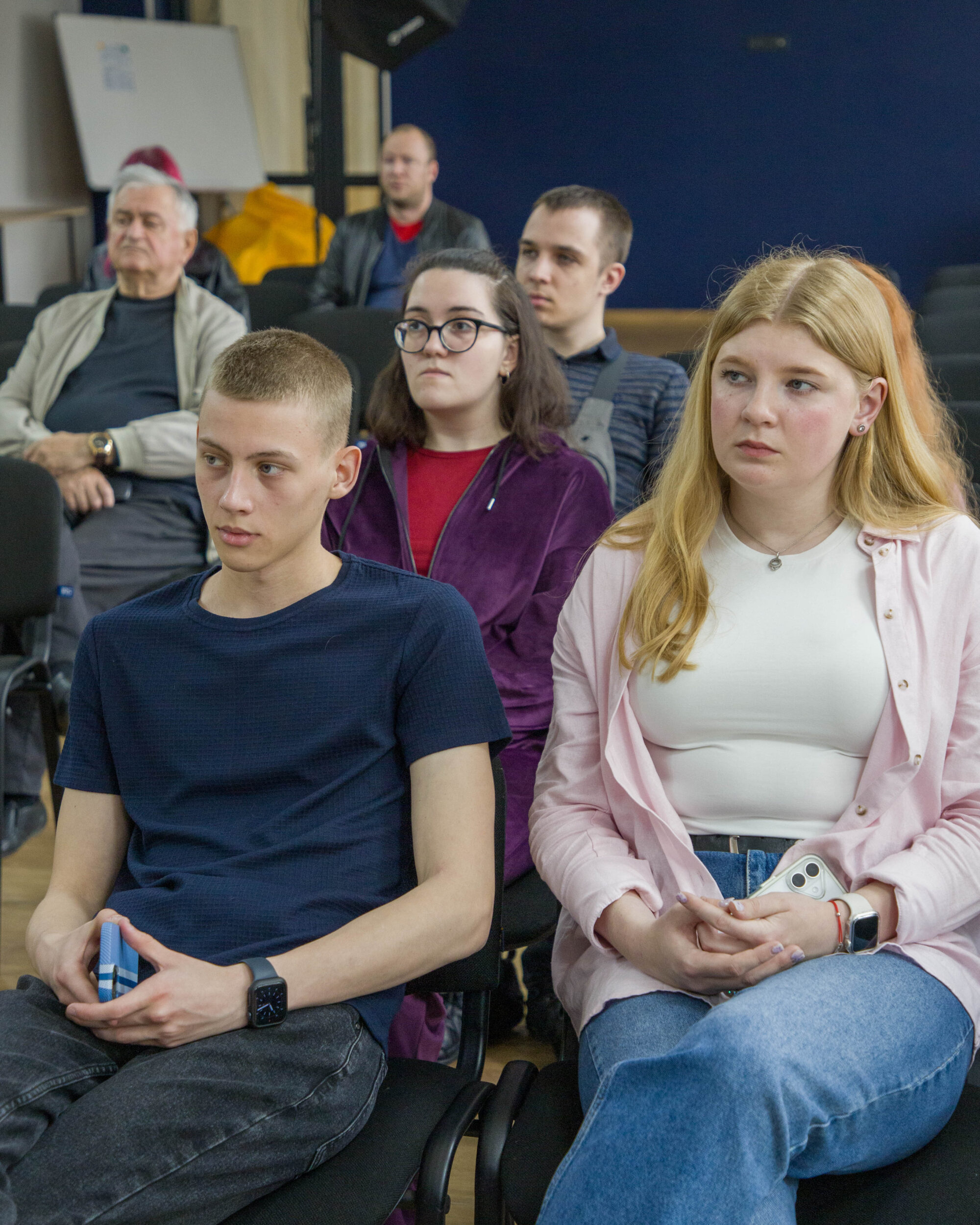
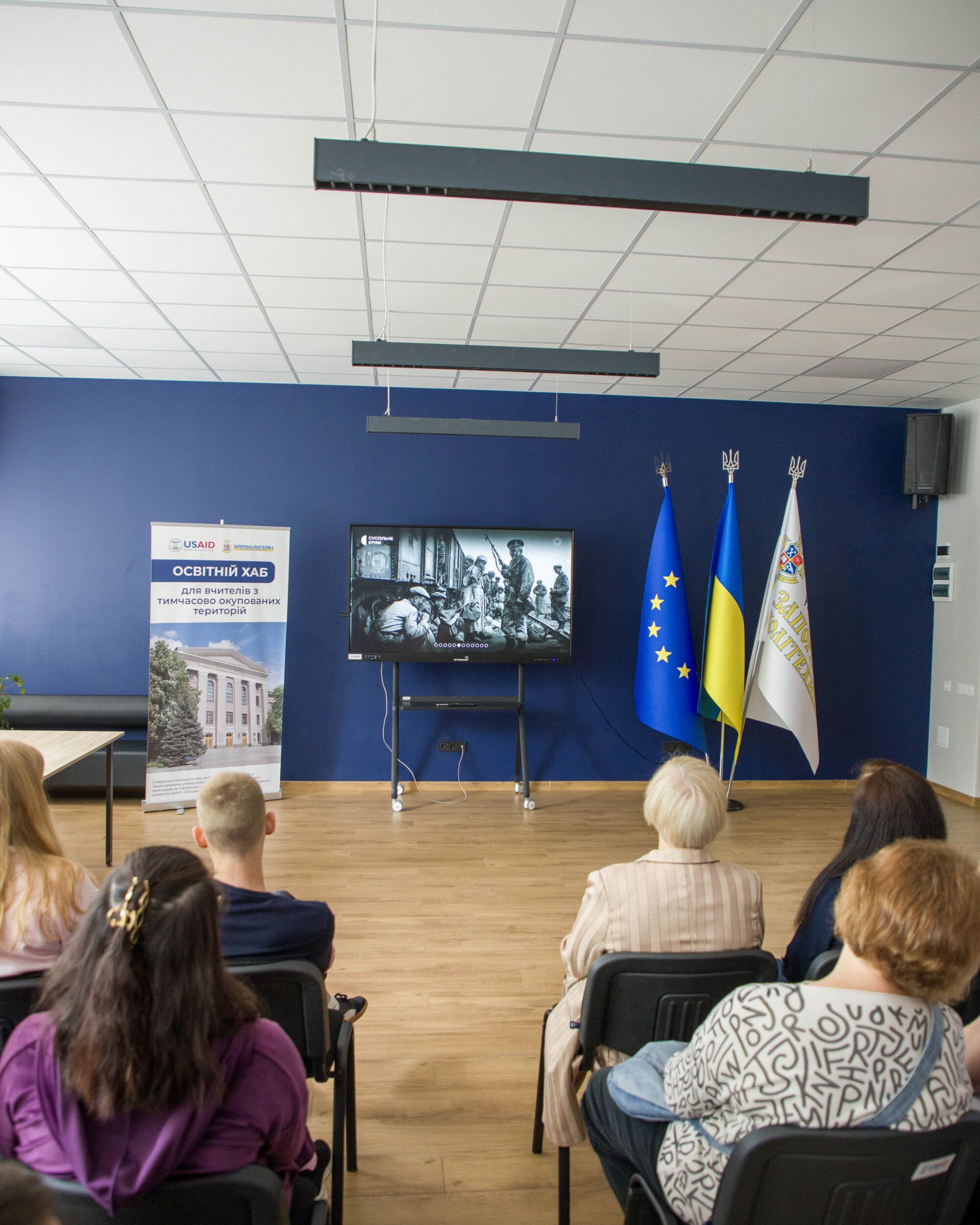
Despite the end of the academic year and a busy May schedule of events, the event brought together 21 participants – students, scientists and employees of the Zaporizhia Polytechnic National University, who came not only to watch the documentary, but also to become part of a deep dialogue about history, human rights, culture and the power of memory.
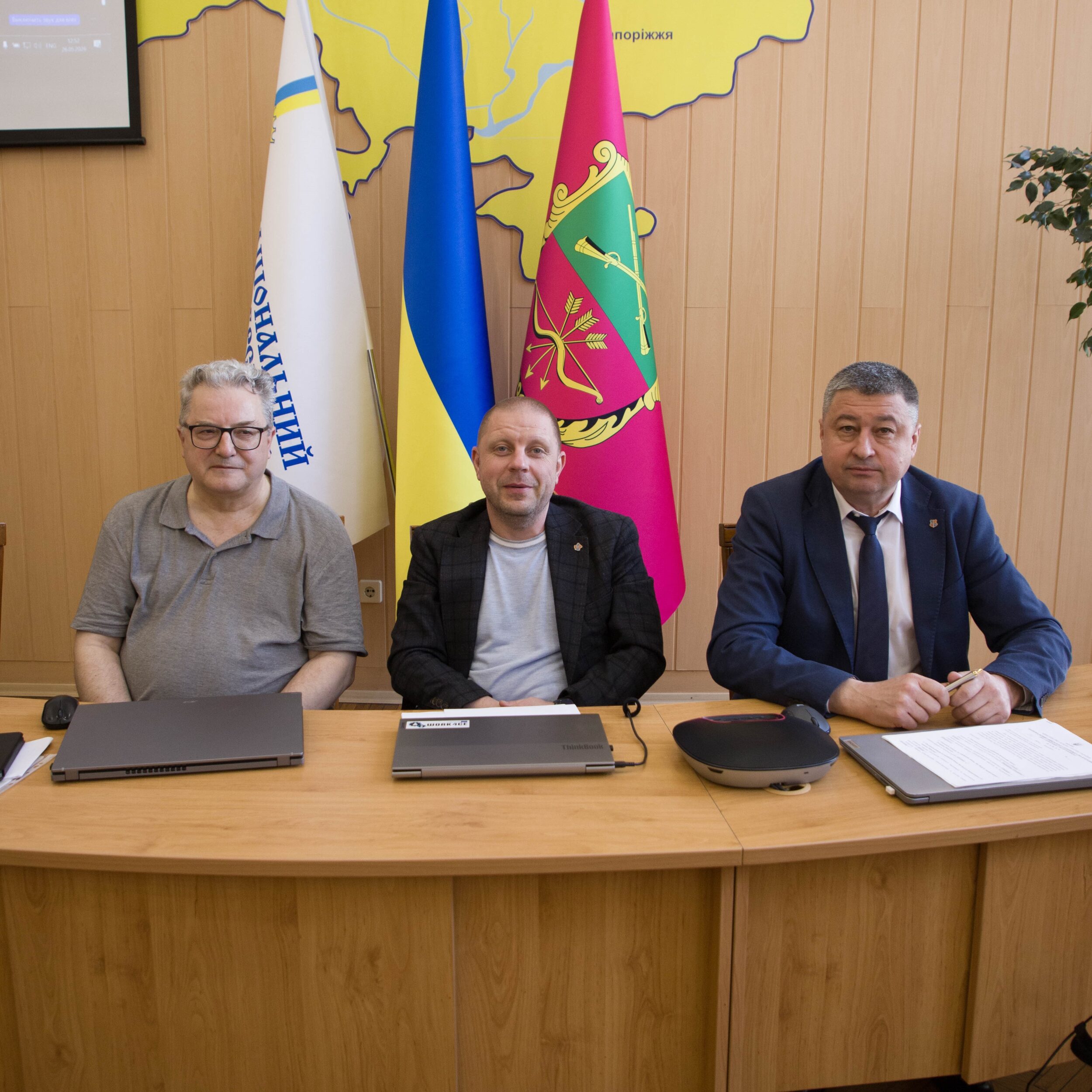
Among the participants and guests of the event were the vice-rector for scientific and pedagogical work, socio-economic development and youth policy of the university Andriy Ivanchenko, regional coordinator of the Docudays UA Traveling Festival, moderator of the Taloni film club, psychologist Larysa Holovko, as well as teachers, students and invited experts – Associate Professor of the Department of Ukrainian Studies and General Language Training Kateryna Bondarchuk and Dean of the Faculty of Law, Professor of the Department of Criminal, Civil and International Law Yuriy Filey.
Andriy Ivanchenko addressed the audience with a welcoming speech, emphasizing the importance of creating an open discussion space at the university for the formation of civic consciousness, the development of critical thinking and an active youth position. Larisa Holovko congratulated the participants on joining the international Docudays UA community and emphasized the importance of film clubs as platforms for the development of human rights culture and discussion of socially important topics.
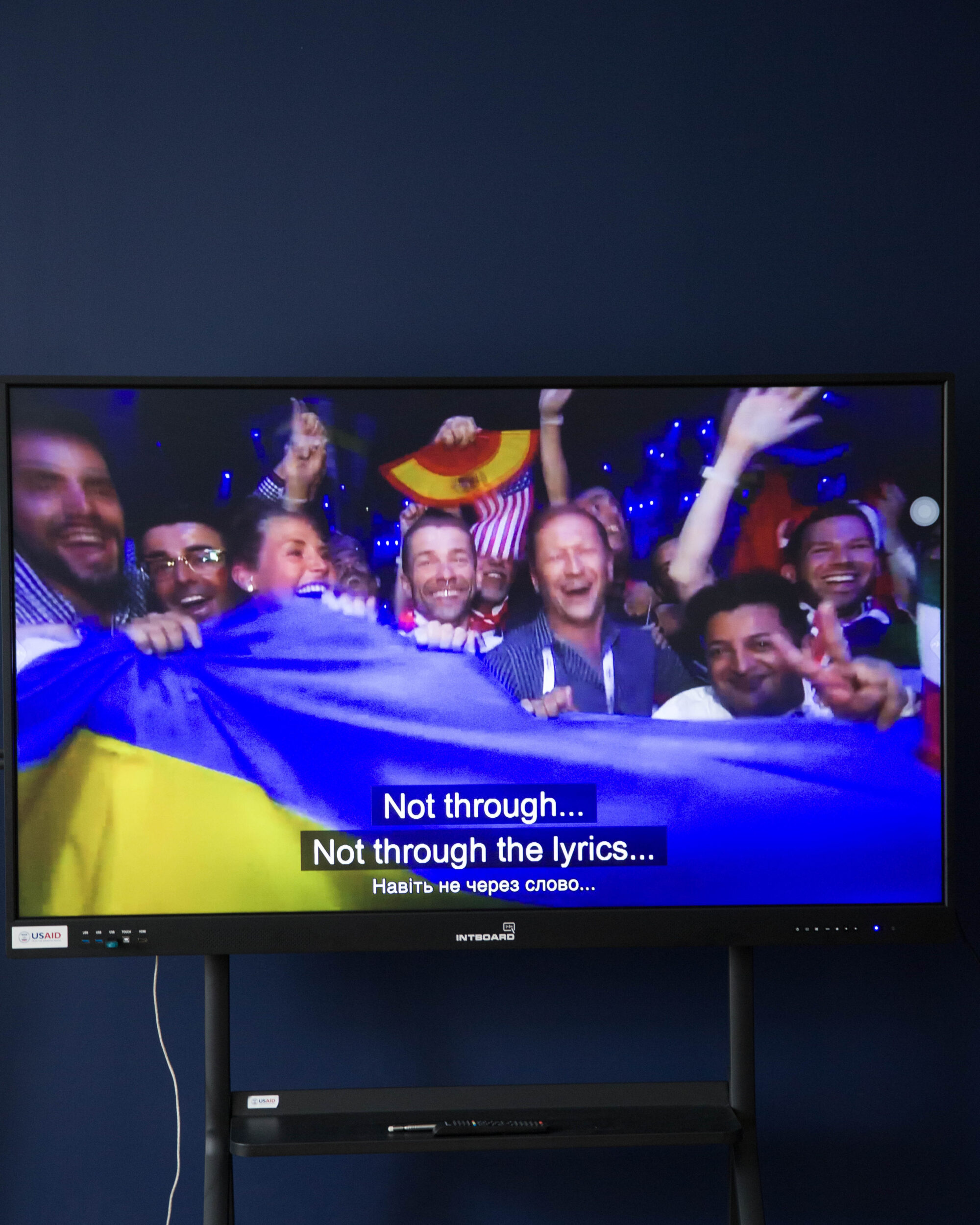
The head and moderator of the Film Club, Natalia Fedko, guided the discussion from the first emotional impressions to a substantive analysis of the issues raised in the film. She outlined the historical context of the deportation of the Crimean Tatar people in 1944 and reminded of an important symbolic date – 10 years since Jamala’s victory at Eurovision-2016. Her performance was a reminder that art can not only preserve memory, but also be a powerful tool for cultural diplomacy and human rights advocacy.
A special atmosphere of the event was created by the ethnic cover of the composition “1944” by Yaroslav Dzhus, performed on the bandura, duduk and djembe. From the very first minutes, the music set the audience up for a deep emotional perception of the topic and created a space for understanding historical memory.
The focus was on the documentary film “Djamala’s Struggle” by Swedish journalist Elin Jónsson. Through the story of the singer’s family, the film reveals the tragic fate of the entire Crimean Tatar people, who survived deportation, bans and a long-term struggle for the right to preserve their own identity.
During the expert discussion, Yuriy Filey focused on the legal dimension of the tragedy of the Crimean Tatar people and the need for international responsibility for crimes against humanity. Kateryna Bondarchuk drew attention to the importance of culture and language in preserving national identity and the importance of studying the common history of the Ukrainian and Crimean Tatar peoples. Larisa Golovko revealed the psychological aspect of collective memory and explained how art helps overcome the traumatic experience of entire generations.
A separate direction of the discussion was the discussion of modern digital diplomacy using the example of Jamala’s activities and her presence in the global information space.
The lively discussion gradually turned into a frank conversation about art as a form of resistance, historical memory, personal responsibility, and the power of each person’s voice. Participants drew parallels between the tragedies of the past and modern events, emphasizing that unpunished evil has the ability to return.
The first meeting of the Docudays UA Film Club convincingly proved: documentary film today is much more than watching a film. This is a space where critical thinking is born, civic stance is formed, empathy develops, and the desire to act appears.