Integrated STEM from Zaporizhzhia Polytechnic and the NTTUM Center «Polit»

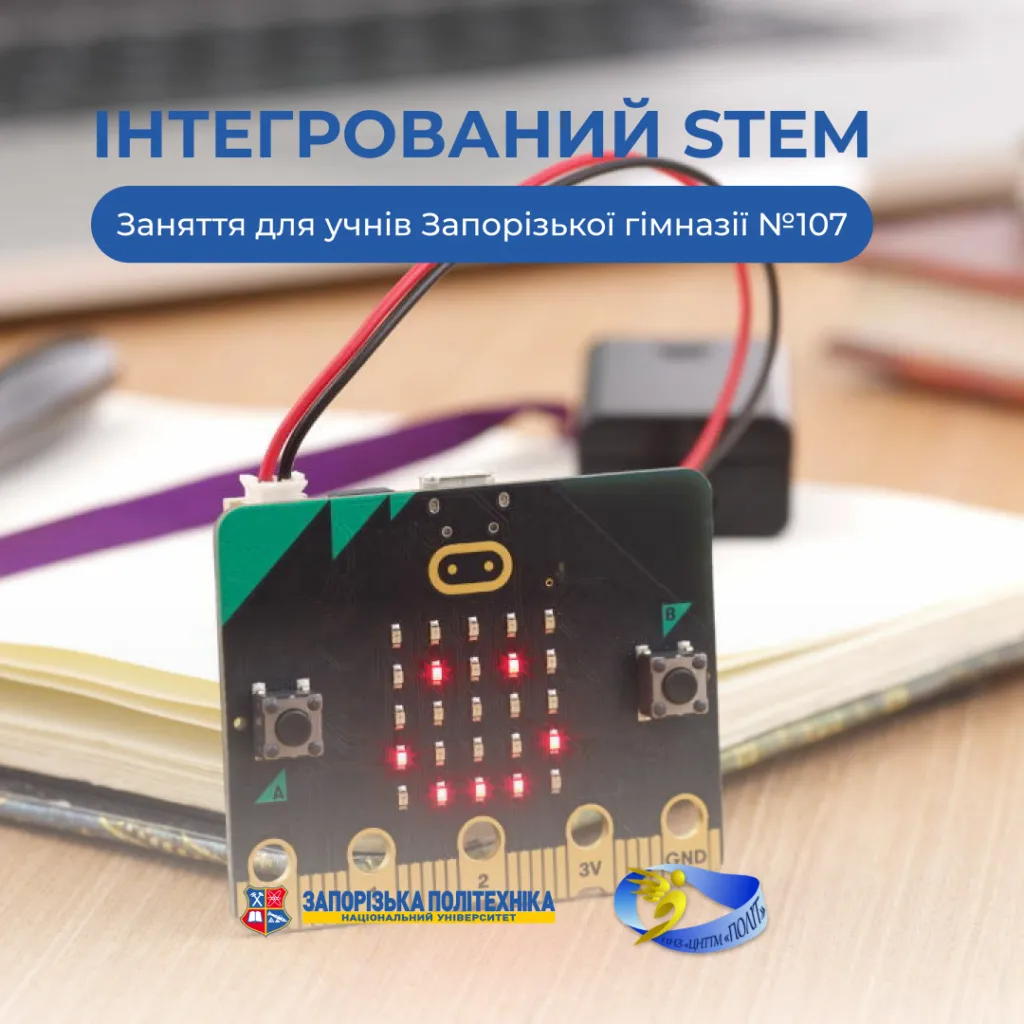
From September 25 to December 1, the first cycle of classes of the Integrated STEM club for students of Zaporizhzhia Gymnasium No. 107 was held in cooperation with the Zaporizhzhia Polytechnic National University and the PNP «Center NTTUM »Polit«.
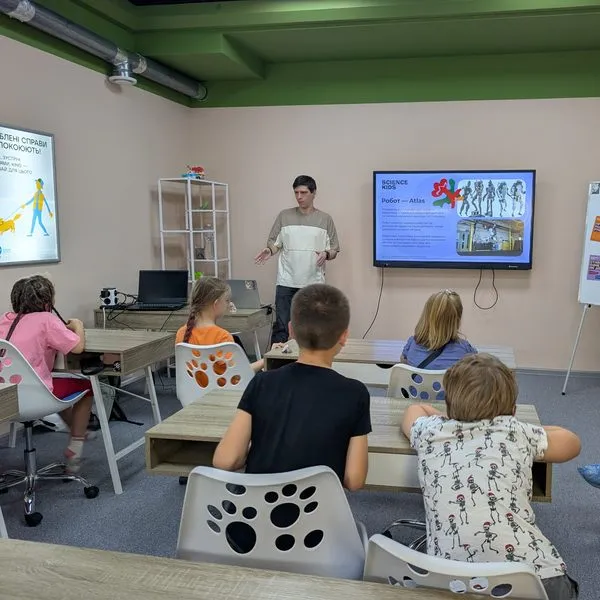
The program provided for familiarizing students with the diverse world of science and technology. During the classes, the students mastered the basics of technical and scientific knowledge, methods and techniques necessary for the manufacture of effective technical objects and models, mastered the skills of solving inventive problems and implementing projects.
From the Zaporizhzhia Polytechnic National University, teachers Alina Kazurova, Olena Nazarova and teacher Andriy Shcherbyna joined.
Alina Kazurova, associate professor of the Department of Electric Drive and Automation of Industrial Installations, head of the PNZ circle »Center NTTUM «Flight»:
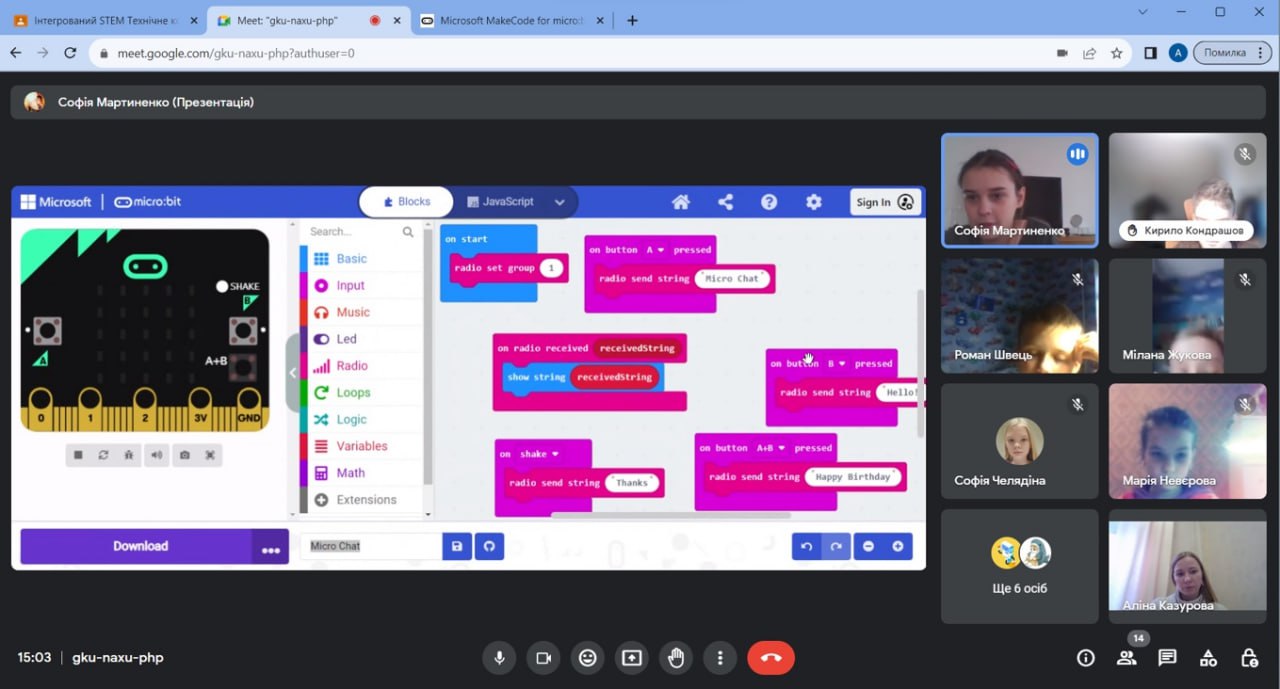
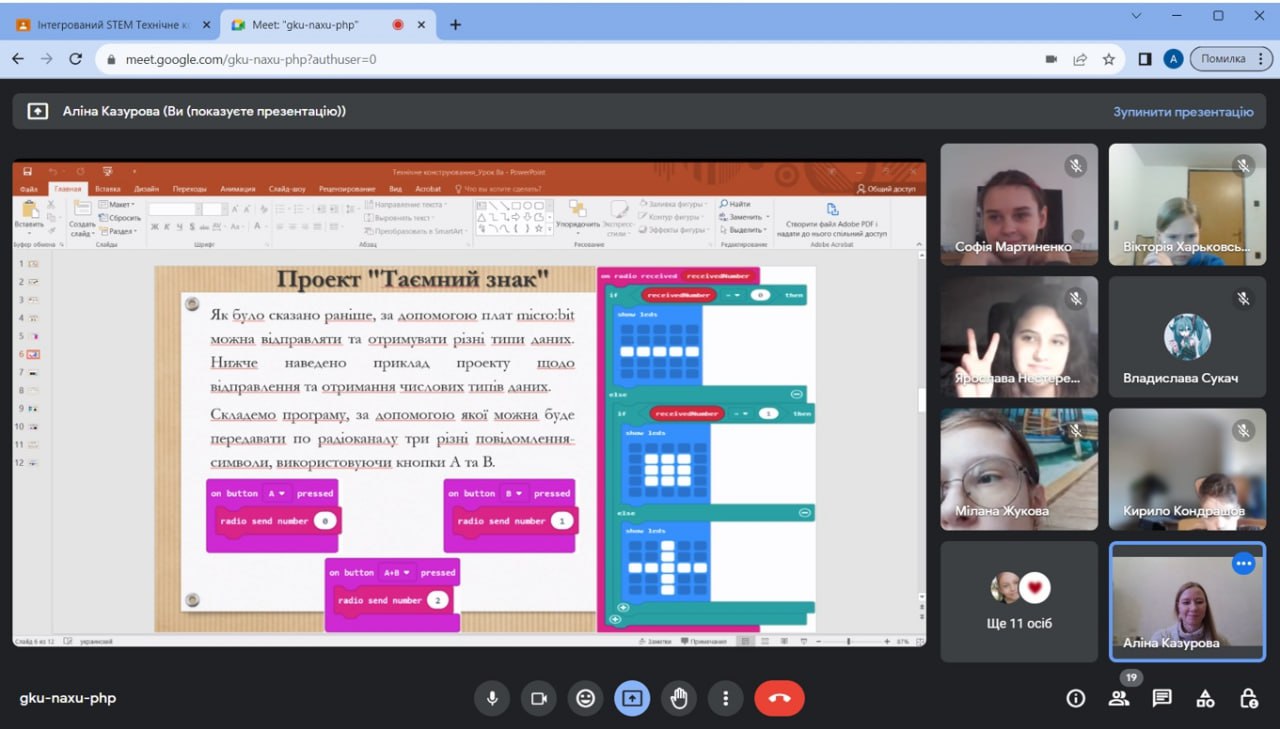
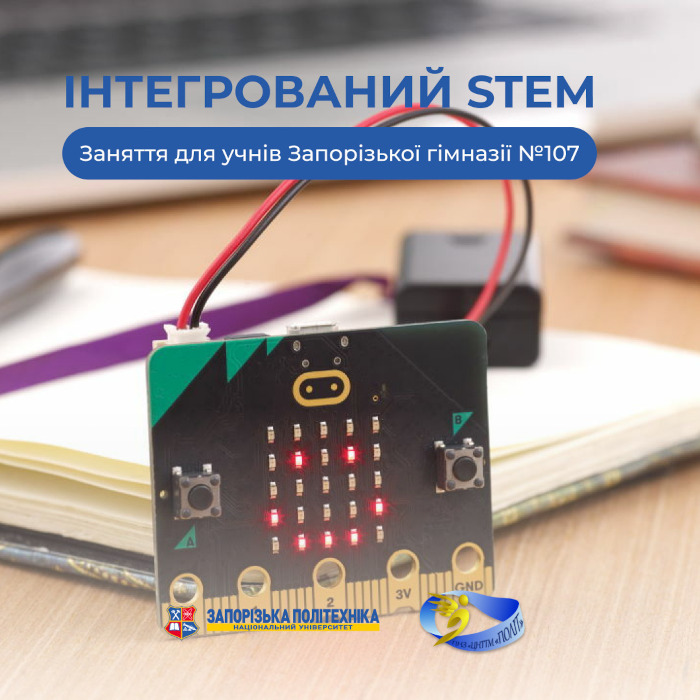
«During the classes, fifth-grade students were able to get acquainted with the »micro:bit« board and its programming environment »MakeCode« and learned why this board is called a real microcomputer. The »micro:bit« board, created at the initiative of the BBC, is an excellent tool for learning in accordance with the STEM philosophy (science, technology, engineering, mathematics). Using the microcomputer »micro:bit«, creating the simplest algorithms in the programming environment »MakeCode«, the children learned to control electronic devices and create smart gadgets, learn the principles of radio operation, data transmission and processing.»
Olena Nazarova, Associate Professor of the Department of Electric Drive and Automation of Industrial Installations, Head of the PNZ Circle «Center NTTUM »Polit”:
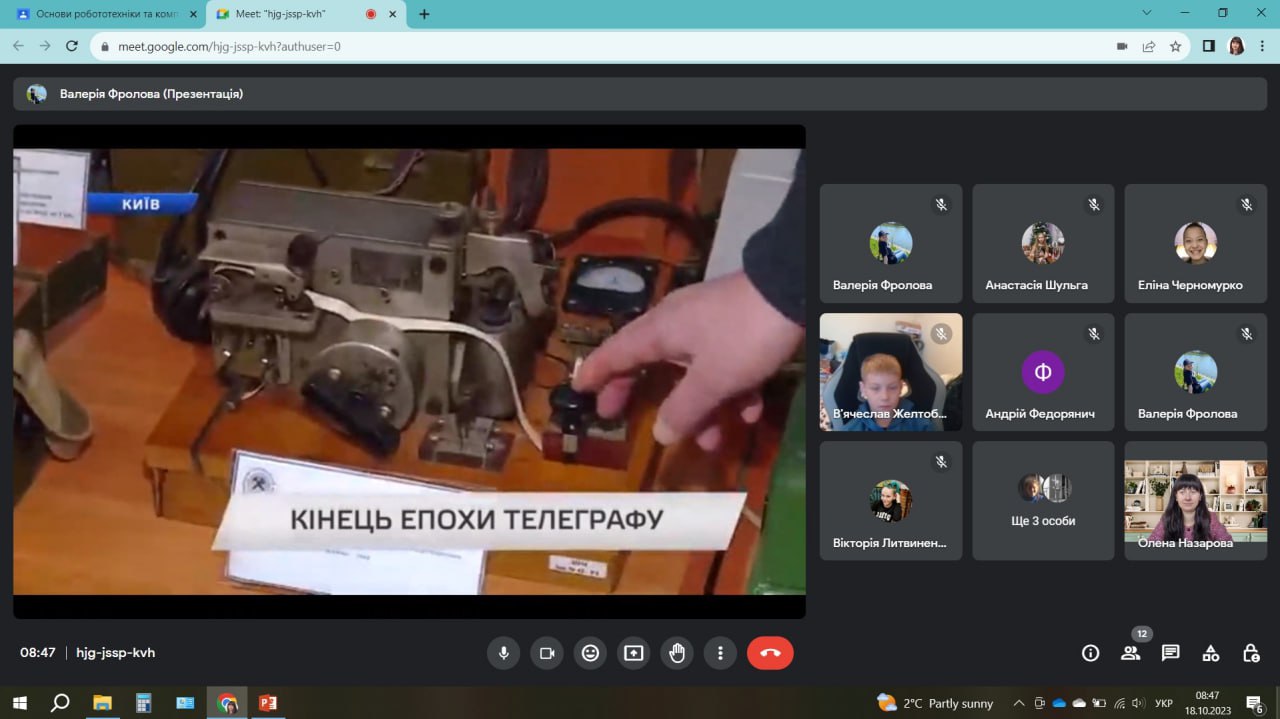
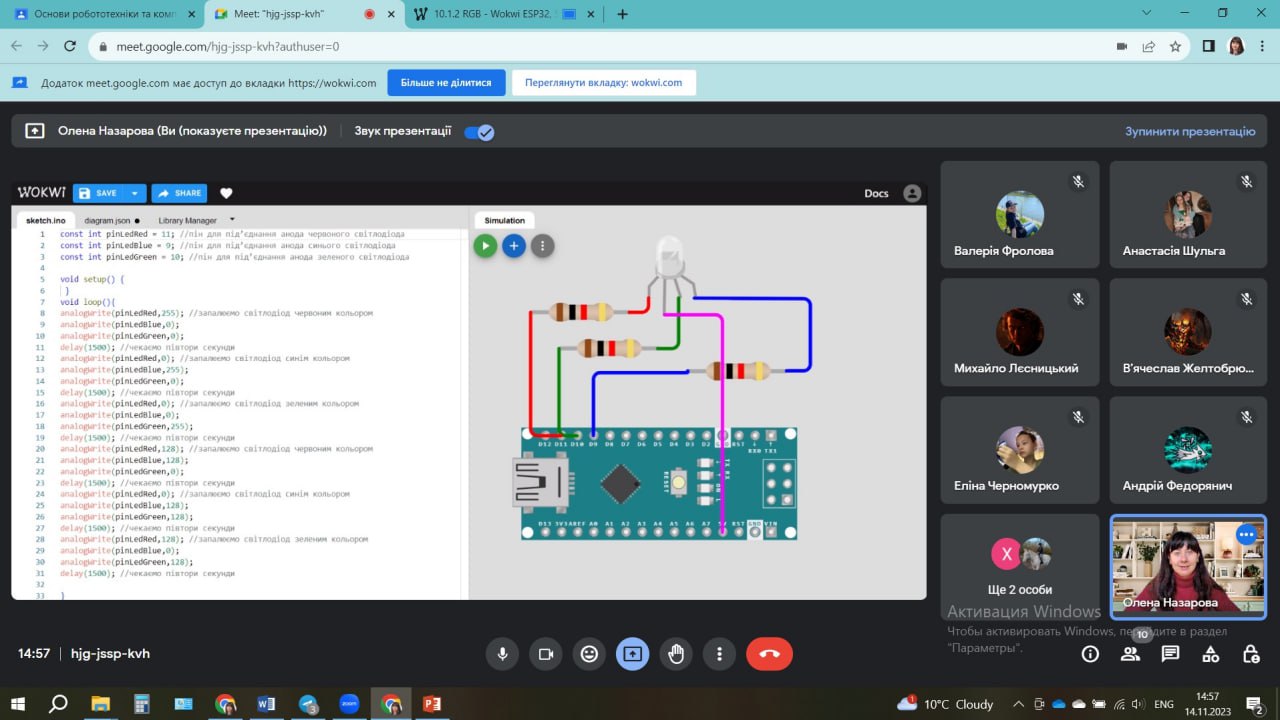
«During the classes, sixth-grade students got acquainted with the possibilities of developments based on »Arduino«, the features of the hardware and software parts. The online simulator »Arduino« was used to study the material and develop their own programs. Children learned to use electronic devices, studied their principle of operation and specialized commands for controlling them, developed several mini-projects such as a traffic light made of LEDs, a telegraph, a smart flashlight, sound and visual signaling.»
Andriy Shcherbyna, associate professor of the Department of Automobiles, head of the PNZ circle «Center NTTUM »Flight«:
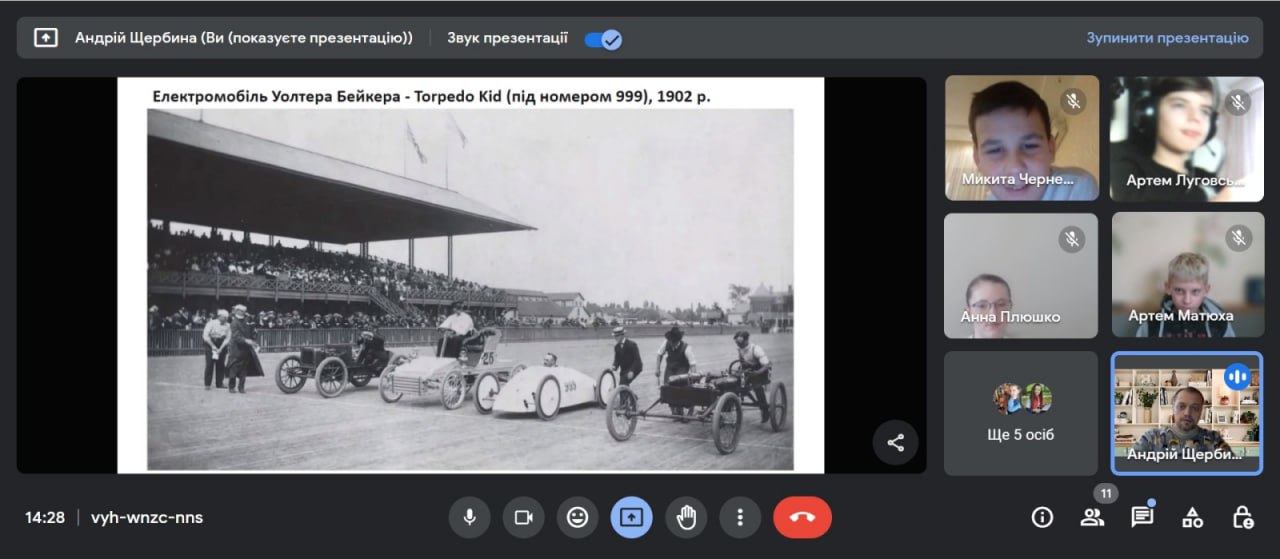
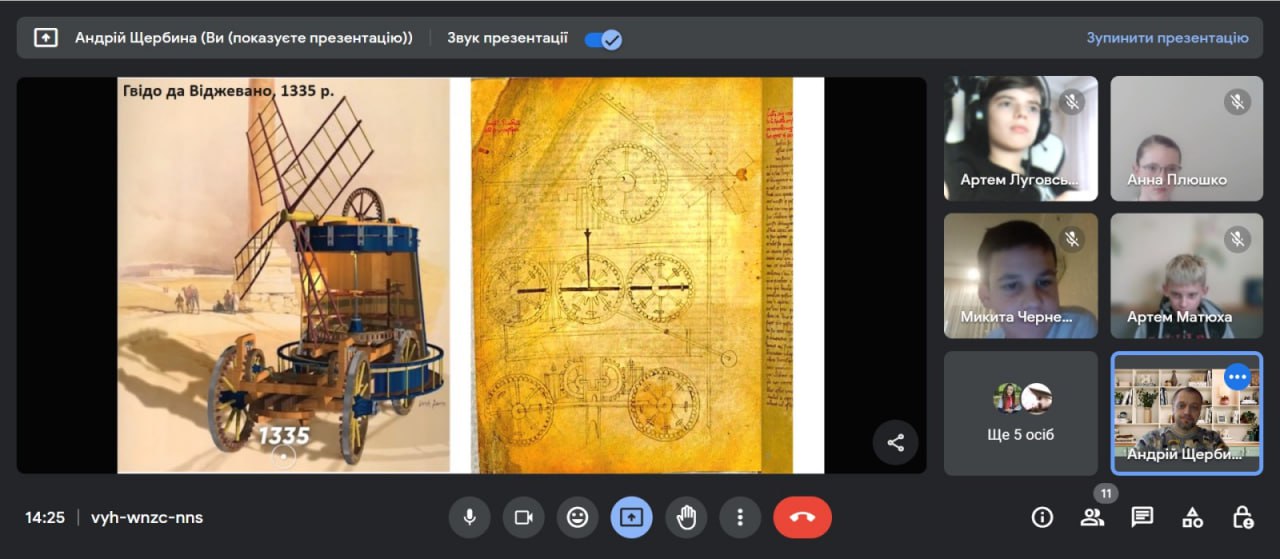
»During the classes, students learned about the general principles of the structure and operation of cars, as well as that the creation of a car has a very interesting and fascinating history. At the same time, it is impossible to name a single author of this vehicle. During its existence, the car has undergone many changes and improvements that were made by various researchers, inventors and engineers. Students learned in class that the development of the automobile is conventionally divided into three stages: steam cars or steam cars; electric cars or electric cars, as well as cars with gasoline or diesel engines.