The Day of Remembrance of the Tragedy in Babyny Yar

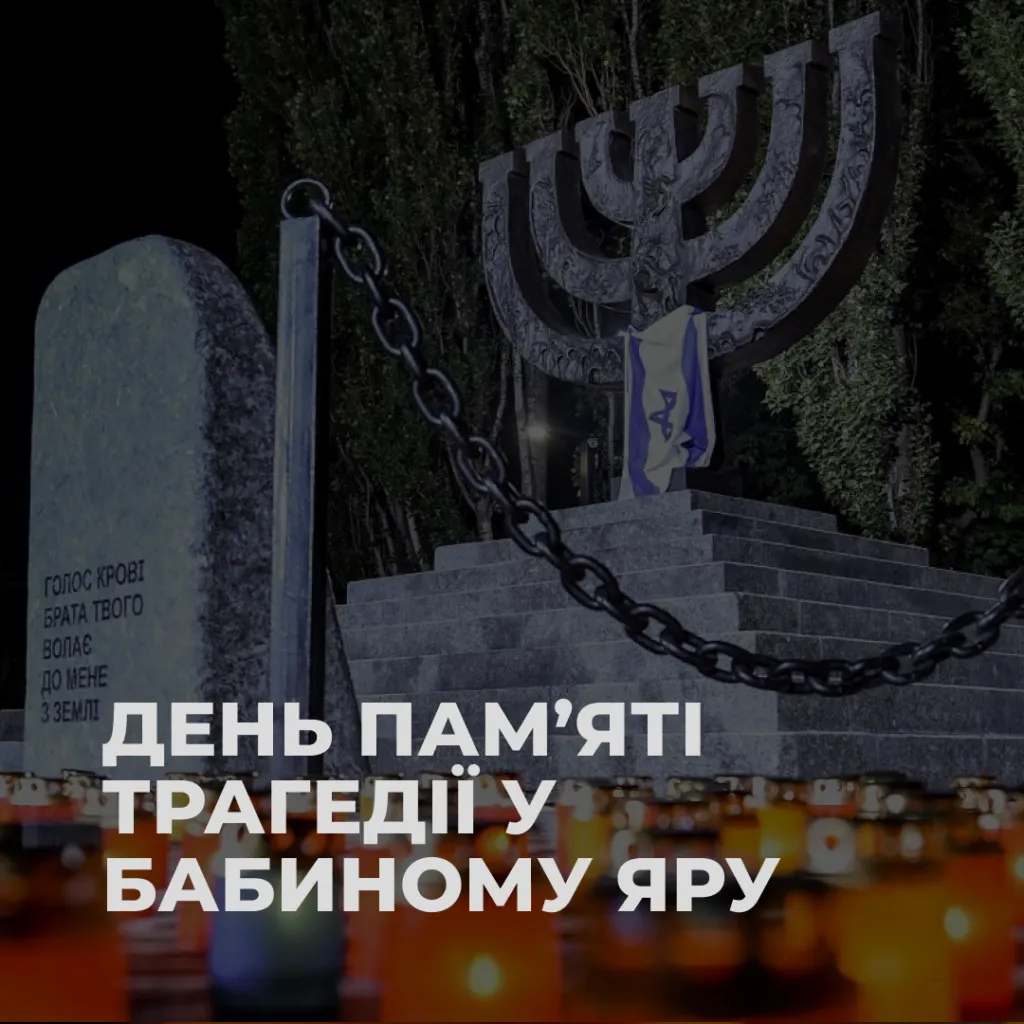
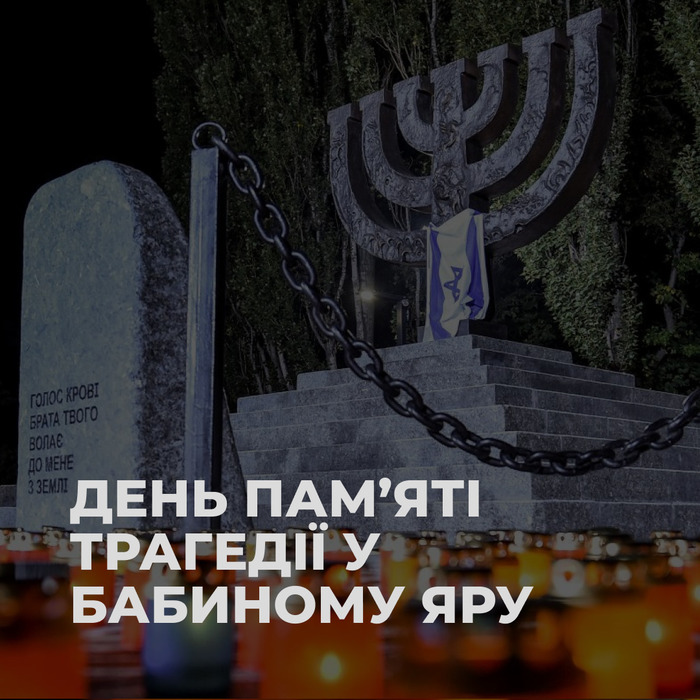
Babyn Yar is a place of memory and necropolis of about 100 thousand civilians and prisoners of war shot by the Nazis in 1941-1943. Among them are Jews and Roma, Red Army soldiers, communists, underground members of the Organization of Ukrainian Nationalists, prisoners of the Syretskyi concentration camp, «saboteurs», curfew violators, and even patients of the Pavlov Psychiatric Hospital.
The mass execution of Jews in Babi Yar on September 29-30, 1941 became a symbol of the «Bullet Holocaust» and the Nazi policy of mass extermination.
The shootings in the tract began immediately after the Nazis and their allies entered Kyiv in September 1941 and continued almost daily until the end of the occupation of the city.
September 29-30 became the most tragic, when almost 34,000 Jews, residents of Kyiv, were killed. In German reports, this operation was called «grossaktion» («big action», from German Großaktion). The formal reason for it was the Soviet sabotage to destroy Khreschatyk on September 24.
The Nazi operation in Babi Yar on September 29-30 became one of the largest punitive actions of the Second World War. Most of the settlements in Ukraine have their own larger or smaller «women’s ravines» – places where the Nazis shot Jews and other victims.
The executor of the executions in late September-early October 1941 in Babyny Yar was the 4th Sonderkommando under the command of SS Standardenführer Pavlo Blobel. This Nazi unit also carried out mass murders of Jews in Lviv, Rivne, Lutsk, Novohrad-Volynskyi, Zhytomyr, Bila Tserkva and other cities.
The Holocaust is a severe unhealed wound in the history of Ukraine during the Second World War. About one and a half million Ukrainian Jews became victims of the crime. The Nazis destroyed them as a socio-cultural and ethno-religious community.
The memory of the tragedy of Babi Yar, despite all the circumstances, always remained alive. The first works of art on this topic appeared already in 1941-1943. Artist-ethnographer Yurii Pavlovich made pencil sketches from nature every day. The first artistic texts were the poetic works of Olha Anstey and Liudmyla Tytova.
After the war, the Soviet regime silenced or distorted the memory of the victims, tried to destroy the ravine itself and the surrounding cemeteries. However, he did not succeed. Babyn Yar remained a warning about the danger of hatred, racism, inter-ethnic enmity, persecution and destruction of people on ethnic, political, religious or other grounds.
After the discovery and understanding of the horrors of the Holocaust, the world community adopted the position of «never again», but genocides still occur. Today there is a war in Ukraine. The Nazis even borrow rhetoric from the Nazis, declaring about the «solution of the Ukrainian question», similar to Hitler’s «solution of the Jewish question». Russian so-called «anti-fascism» has become the main threat to Jews in modern Ukraine and has contributed to the destruction of the memory of the Holocaust: Russian troops are shelling Jewish cemeteries, synagogues, even Babin Yar.
We saw the brutal mass murders of men, women, children, elderly people, animals, physical and moral torture, rape. Sometimes there were even attempts to burn the bodies to hide the crimes committed, as the Nazis did at one time, feeling the approach of defeat. News from the liberated Buchi, Izyum and other Ukrainian towns and villages horrifies the civilized world. Peace, security and balance in Europe and the world are possible only after Ukraine wins the war and all criminals are duly punished.
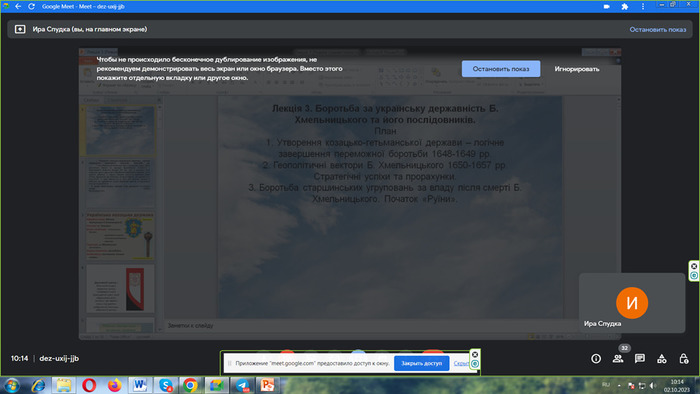
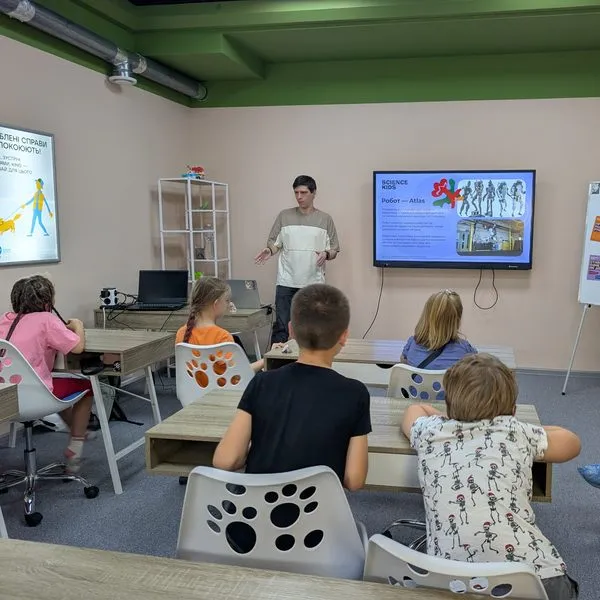
Teachers of the Department of Ukrainian Studies from the discipline «History of Ukrainian State Formation», in particular: Assoc. Chopom V.M. in the city FEU-522 29.09.2023, Art. teacher Sigida G.A. in the city FEU-413,213 09/29/2023, Assoc. I.M. Spudko in the city FCNT — 112,122,132,222,512,522 10/2/2023 On 10/2/2023, an open lecture was held to acquaint students with this tragic page in the history of Ukraine.