Academic mobility to Portugal

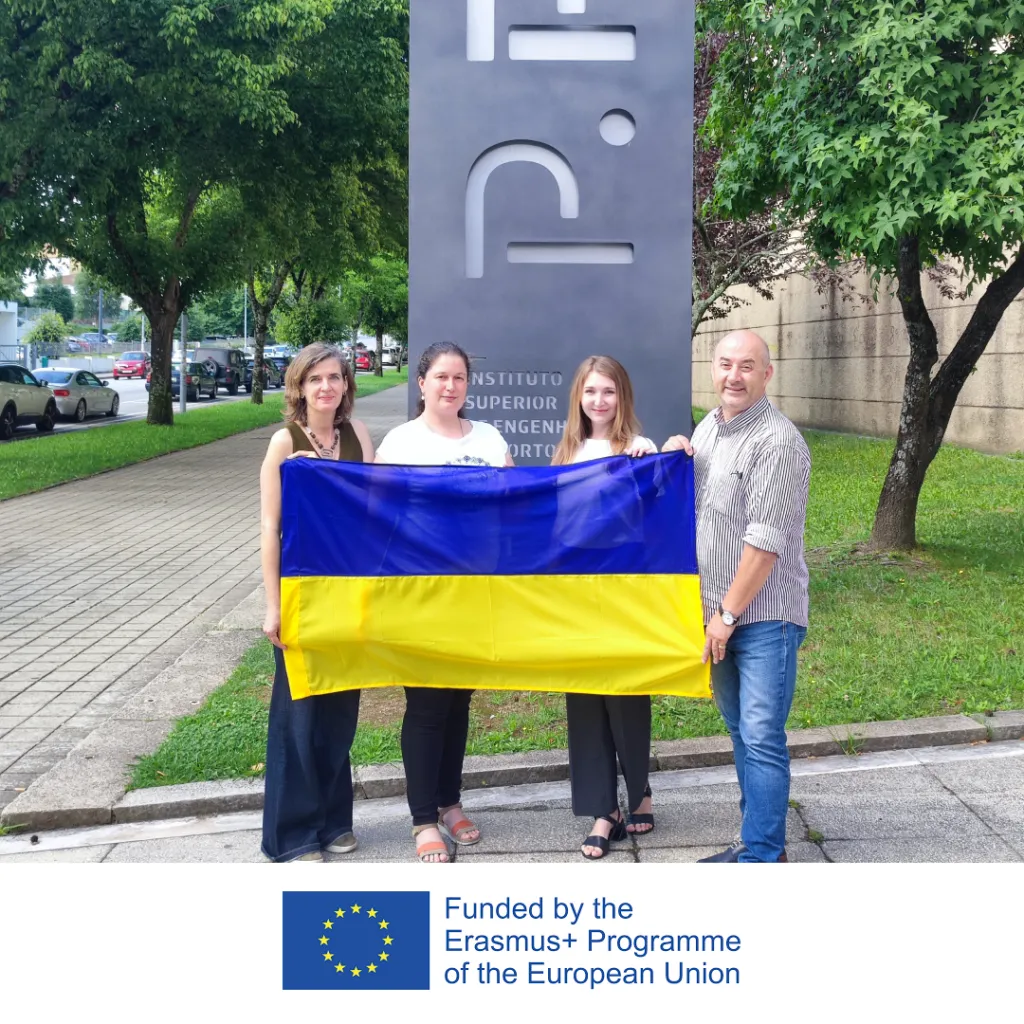
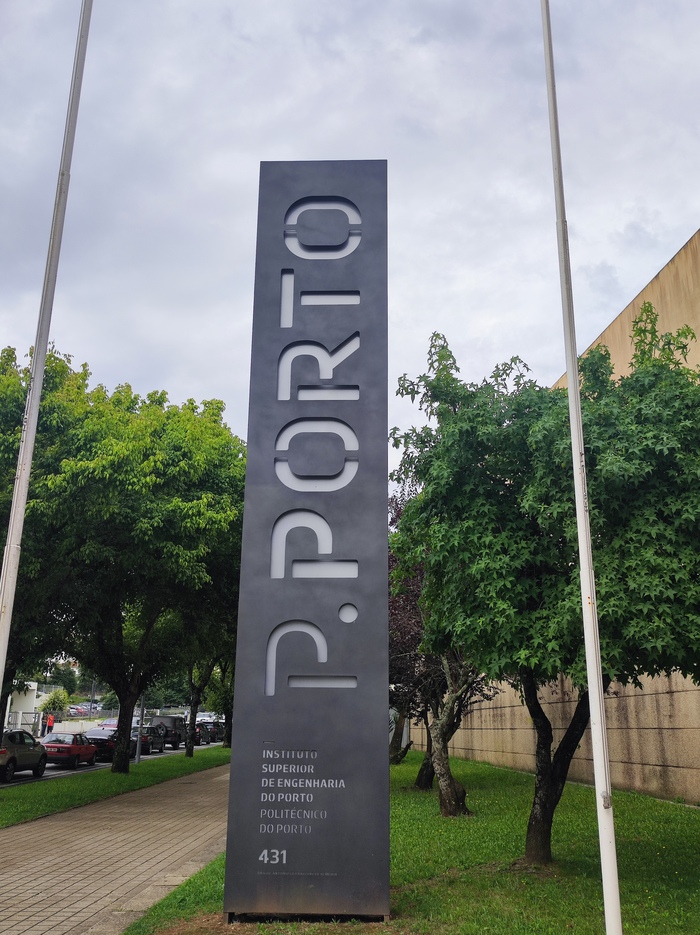
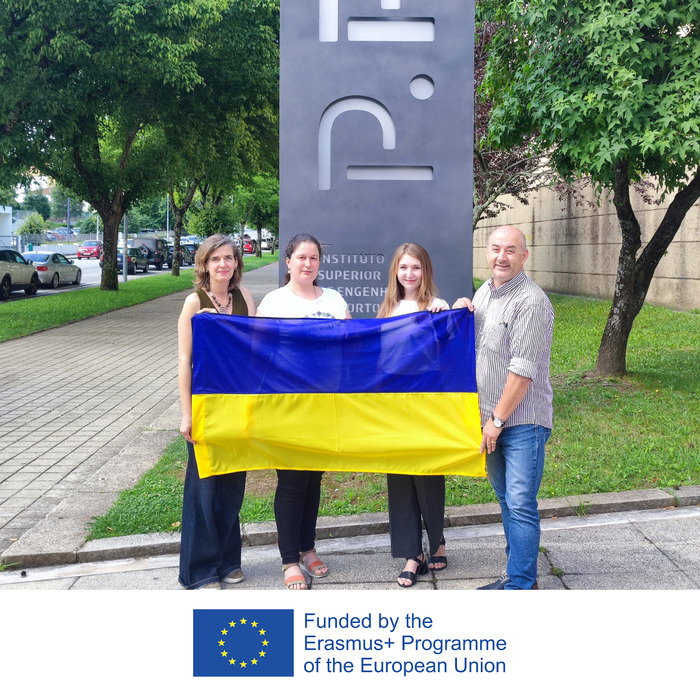
Within the framework of the EU Erasmus+ KA107 program, within the framework of the inter-institutional agreement concluded between the Polytechnic Institute of Porto, Porto, Portugal (ISEP, Instituto Superior de Engenharia do Porto) and the Zaporizhzhia Polytechnic National University, there are opportunities for academic mobility of students and teachers.
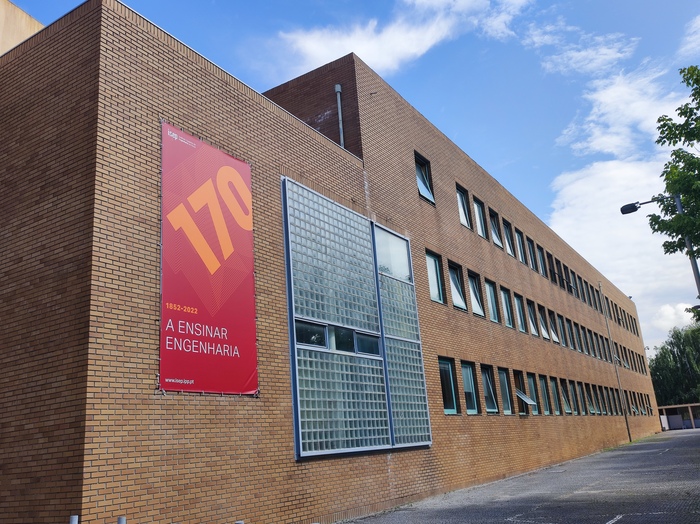
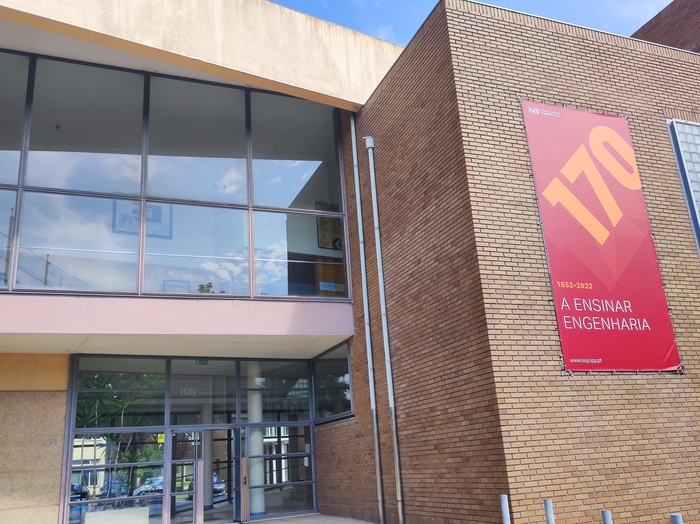
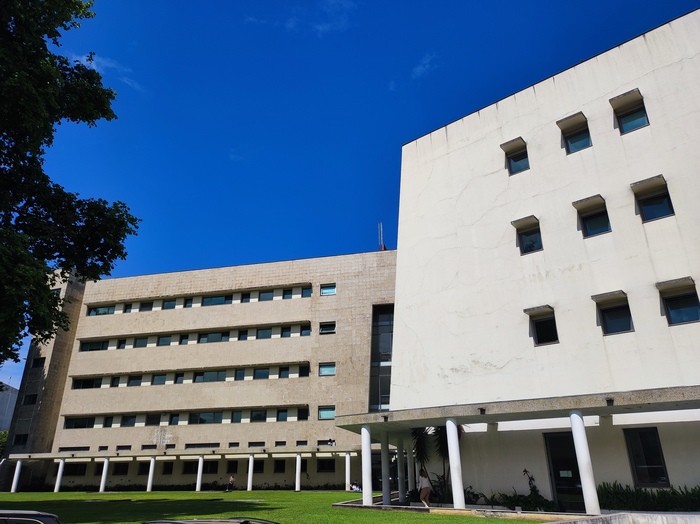
From June 16 to July 16, the academic mobility program was attended by Associate Professor of the Department of Transport Technologies Olena Ostroglyad and Associate Professor of the Department of Information Technologies of Electronic Means Nataliia Mironova. The scientific internship took place on the campus of the Polytechnic Institute of Porto.
Associate Professor Olena Ostroglyad underwent an internship at the Faculty of Mechanical Engineering. The purpose of the mobility was to study automation in logistics and the use of smart technologies in transport management. The main areas of scientific research within the mobility were the study of tools for simulation modeling of transport systems and optimization of supply chains. In addition, the issue of using the SymPy symbolic library when solving optimization problems in logistics was studied. As a result of the mobility, new lecture and practical materials for the course «Modeling of Transport Processes» were developed and implemented in the educational process.
Associate Professor Nataliia Mironova underwent an internship at the Faculty of Game Interaction and Learning Technologies, the purpose of the mobility was to study the use of machine learning algorithms in electronics and robotics. The main areas of scientific research within the mobility were the study of robotic simulator systems in robotics training using Unity Engine and the possibility of integrating Unity applications into the Moodle distance learning system as part of an electronic learning environment. The result of the mobility was the implementation of the experience gained into the educational process when teaching the disciplines «Programming Technologies» and «Programming of Robotic Systems».
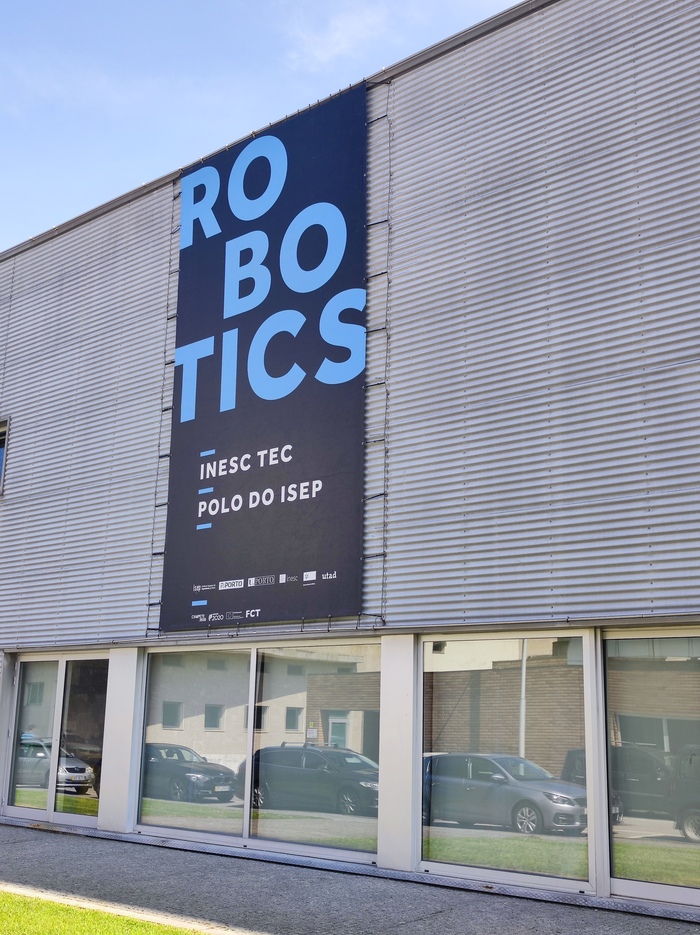
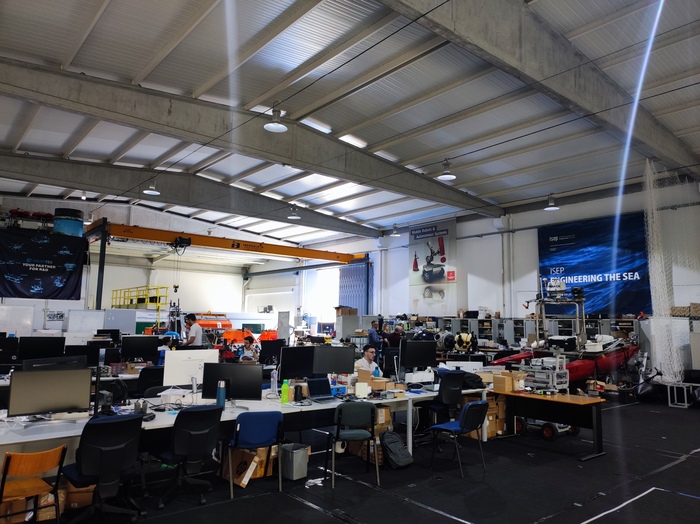
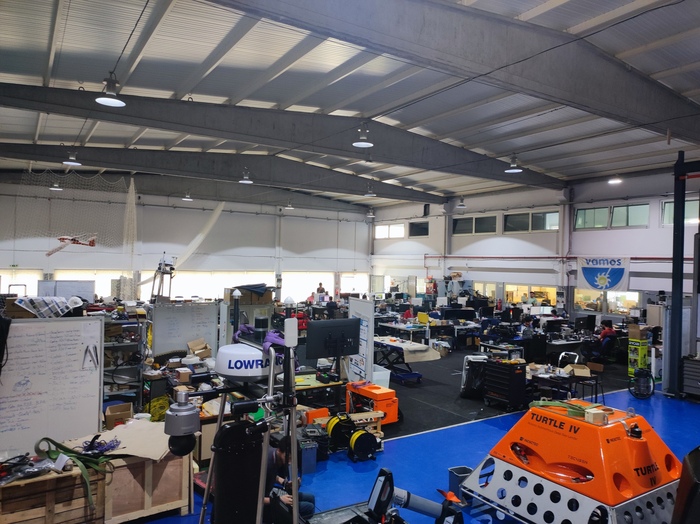
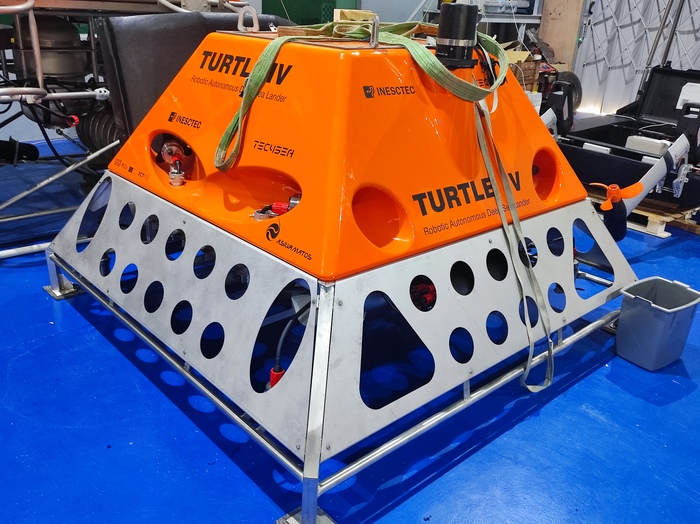
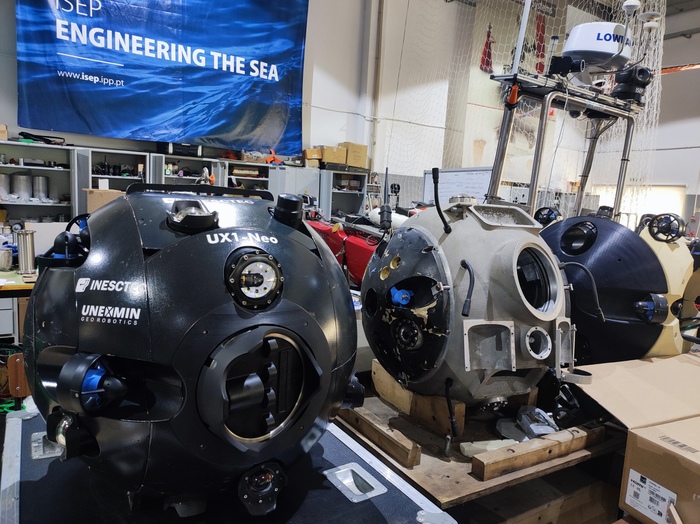
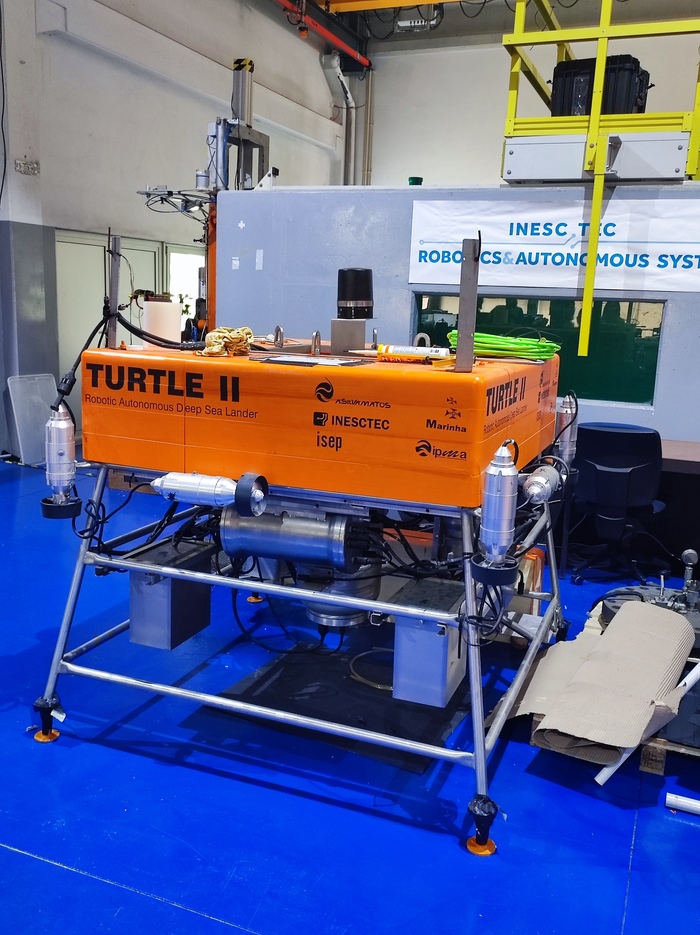
Of particular interest was a visit to the mobile and aquatic robotics laboratory, where one could observe the design, development and testing of robots for exploring the seabed surface to search for mines from the Second World War.