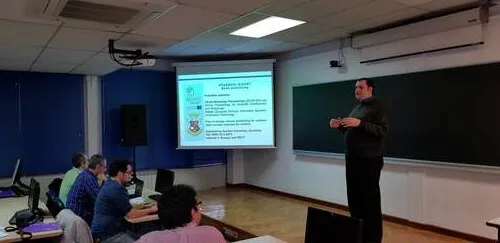
BIOART project workshop at the Polytechnic University of Madrid

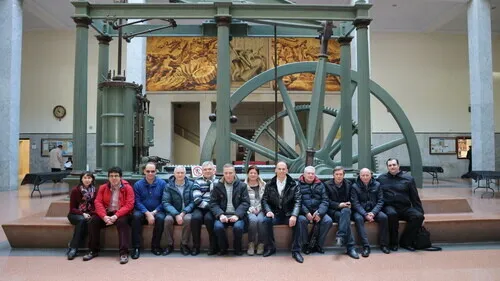
Представники Запорізького національного технічного університету (ЗНТУ) зав. каф. радіотехніки і телекомунікацій С.В. Морщавка, зав. каф. програмних засобів С.О. Субботін та доцент каф. програмних засобів А.В. Пархоменко взяли участь у Другому воркшопі «Обробка сигналів для біомедичної інженерії» (28 січня – 01 лютого 2019 р., Політехнічний університет Мадриду, м. Мадрид, Іспанія) за міжнародним проектом «Innovative Multidisciplinary Curriculum in Artificial Implants for Bio-Engineering BSc/MSc Degrees» (BIOART, реєстр. номер 586114-EPP-1-2017-1-ES-EPPKA2-CBHE-JP) програми Еразмус+ Європейського Союзу.
Учасники проекту BIOART з України та Ізраїлю під час воркшопу підвищили свою кваліфікацію: ознайомилися з організацією навчального процесу в Мадридській політехніці, отримали методичні матеріали для підготовки нових та удосконалення існуючих навчальних курсів на кафедрах програмних засобів та радіотехніки і телекомунікацій, ознайомилися з лабораторною базою та науковими дослідженнями Мадридської політехніки.
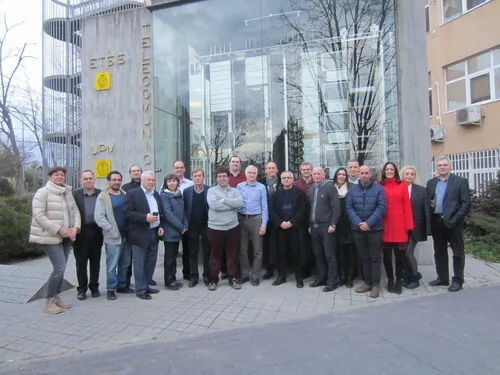
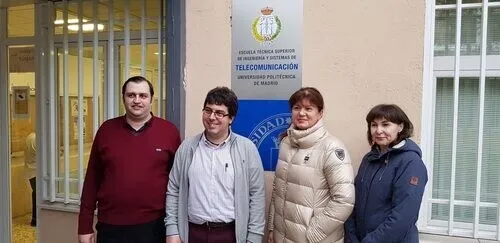
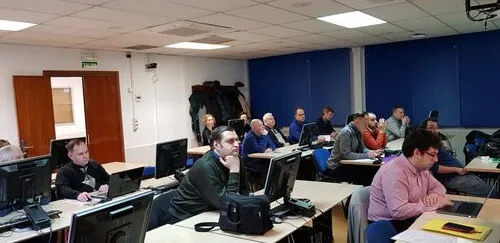
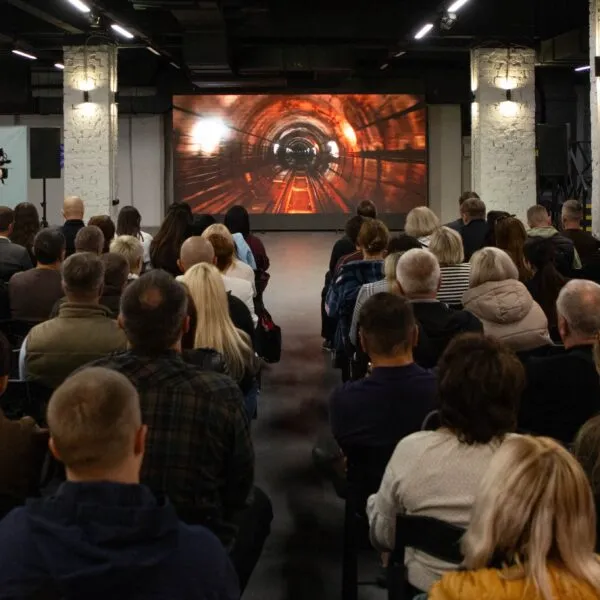
28.01.2019 р. воркшоп працював у Вищій школі інженерії телекомунікаційних систем (Escuela Tecnica Superior de Ingenierıa y Sistemas de Telecomunicacion, ETSIST). З привітальним словом до учасників воркшопу виступив координатор проекту BIOART проф. Д. Луенго. Цікавою виявилася доповідь почесного професора ЗНТУ, доцента Католицького університету Льовена П.Арраса, який розповів про програми у галузі біомедичної інженерії, досвід роботи з підготовки та виконання міжнародних проектів та наукові дослідження. Представники партнерських університетів також обговорили кандидатури експертів, які будуть виконувати зовнішнє оцінювання якості реалізації проекту. Змістовною виявилася дискусія з підготовки навчальних планів, робочих програм та їх розподілу між робочими групами учасників проекту.
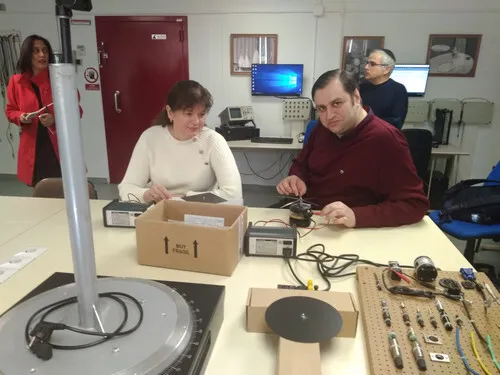
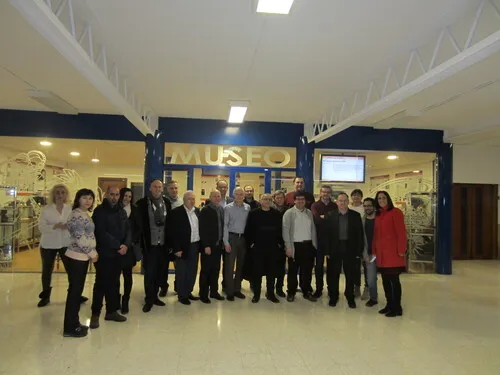
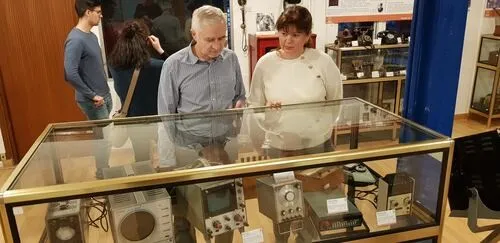
29.01.2019 р. воркшоп продовжив роботу в ETSIST. Були розглянуті питання розповсюдження результатів проекту. Після чого представники ETSIST виступили з презентаціями закладу та його бакалаврських, магістерських і докторських програм. Цікавим виявився візит учасників воркшопу до департаменту теорії сигналів та зв’язку, де було продемонстровано анехоїчні та ревербераційні камери, радіочастотну лабораторію, лабораторію акустики, студію звукозапису, лабораторію обробки зображень, студію запису телепрограм. Також обговорювалися питання фінансового менеджменту, підготовки звітів. Для учасників воркшопу також проведено екскурсії в музей телекомунікацій та лабораторію «Цифровий дім».
30.01.2019 р. воркшоп проводився у Центрі біомедичних технологій (Biomedical Technology Centre). З привітальним словом та презентацією центру виступили директор центру Г. Гвінея та заступник директора Ф. Рохо. Пізнавальними виявилися проведені екскурсії до лабораторій центру: когнітивної неврології, магнітоенцефалографії, біоматеріалів та регенеративної інженерії, біоінструментів. Після чого воркшоп перемістився у Вищу технічну школу інженерії телекомунікацій (Escuela Tecnica Superior de Ingenierıa de Telecomunicacion, ETSIT), де відбулася презентація школи, її бібліотеки, проведено екскурсії до лабораторій: анехоїчної камери, інституту оптоелектронних систем та мікротехнологій, лабораторії «Розумний будинок».
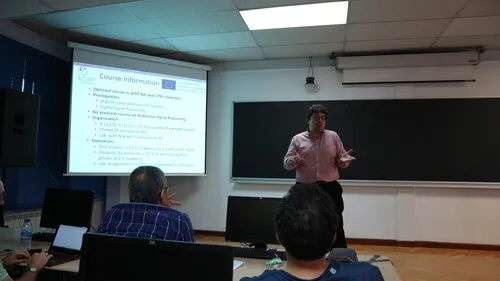
31 січня 2019 р. воркшоп працював в ETSIST. З презентацією засобів он-лайн навчання виступив Е. Шмуелі. Презентація С.О. Субботіна була присвячена питанням висвітлення результатів проекту у збірці доповідей. Пізнавальними виявилися лекції «Сенсори» Ц. Бенавенте, «Методи розпізнавання сигналів» (Х. Гуттієрес-Арріола, Р. Фраїль), «Цифрова обробка біомедичних сигналів» (Д. Луенго), «Розріджене виведення для сигналів ЕКГ» (Д. Луенго), «Біометрія» (Д. Мельтцер). Також проведено неформальні обговорення та дискусії між партнерами проекту.
01 лютого 2019 р. відбулася заключна зустріч у Вищій технічній школі промислової інженерії (Escuela Tecnica Superior de Ingenierıa Industrial, ETSII). Учасники проекту заслухали презентацію діяльності школи. Після чого ознайомилися з матеріально-технічною базою: лабораторією силової електроніки, лабораторією робототехніки та інтелектуальних машин, лабораторією проектування в біоінженерії, лабораторіями Дослідницького центру автоматики та робототехніки, Центру промислової електроніки, лабораторією розробки продуктів. Відбулися також підсумкові обговорення результатів воркшопу.
Візит співробітників ЗНТУ в рамках проекту BIOART забезпечив реалізацію його завдань, а також сприяв інтернаціоналізації ЗНТУ та поглибленню його співпраці з партнерськими університетами.
Команда проекту BIOART