Software for the simulation and offline programming of industrial robots RoboDK
General Characteristics
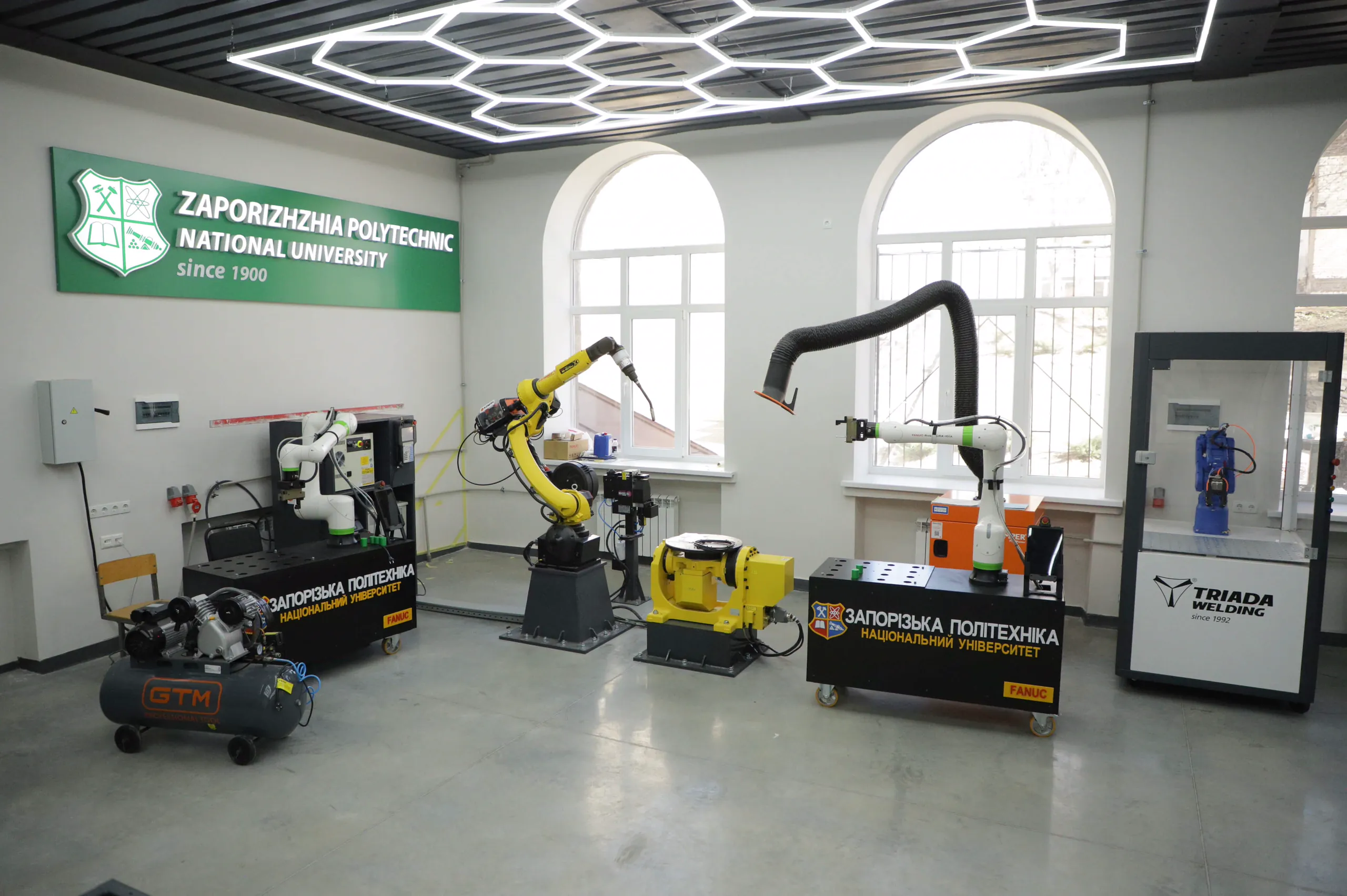
At the HI-RISE Center for Engineering of Robotic Production Systems of the Zaporizhzhia Polytechnic National University, the educational process uses RoboDK software — a modern environment for simulation, modeling, and offline programming of industrial robots.
RoboDK is used for training students in the fields of industrial robotics, production process automation, digital manufacturing, robotic welding, modeling of robotic cells, and Industry 4.0 technologies.
The use of RoboDK allows combining theoretical training with practical engineering tasks. Students have the opportunity to create digital models of robotic systems, simulate the operation of industrial robots, plan motion trajectories, check work zones, detect possible collisions, and pre-test control programs before executing tasks on real equipment.
This approach is especially important for training specialists who will work with modern robotic production systems, where programming, digital modeling, simulation, safety analysis, and offline preparation of technological processes are integral parts of engineering activities.
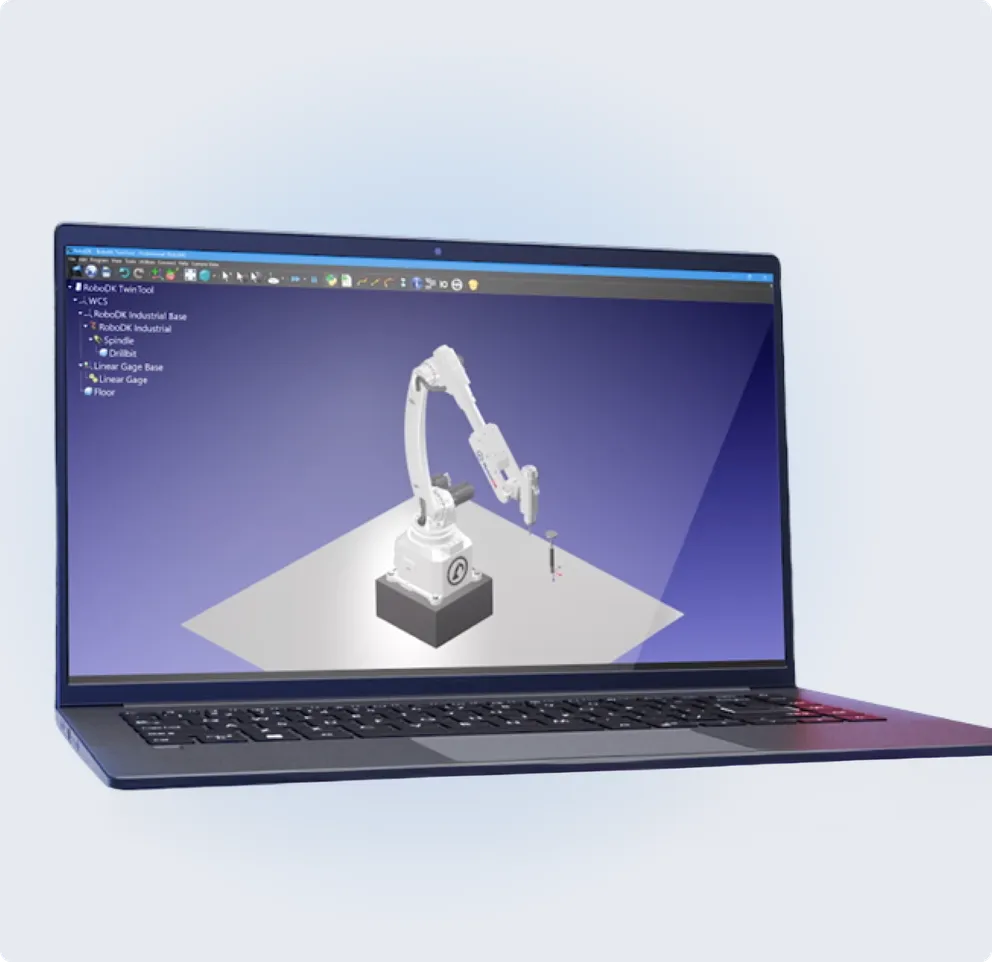
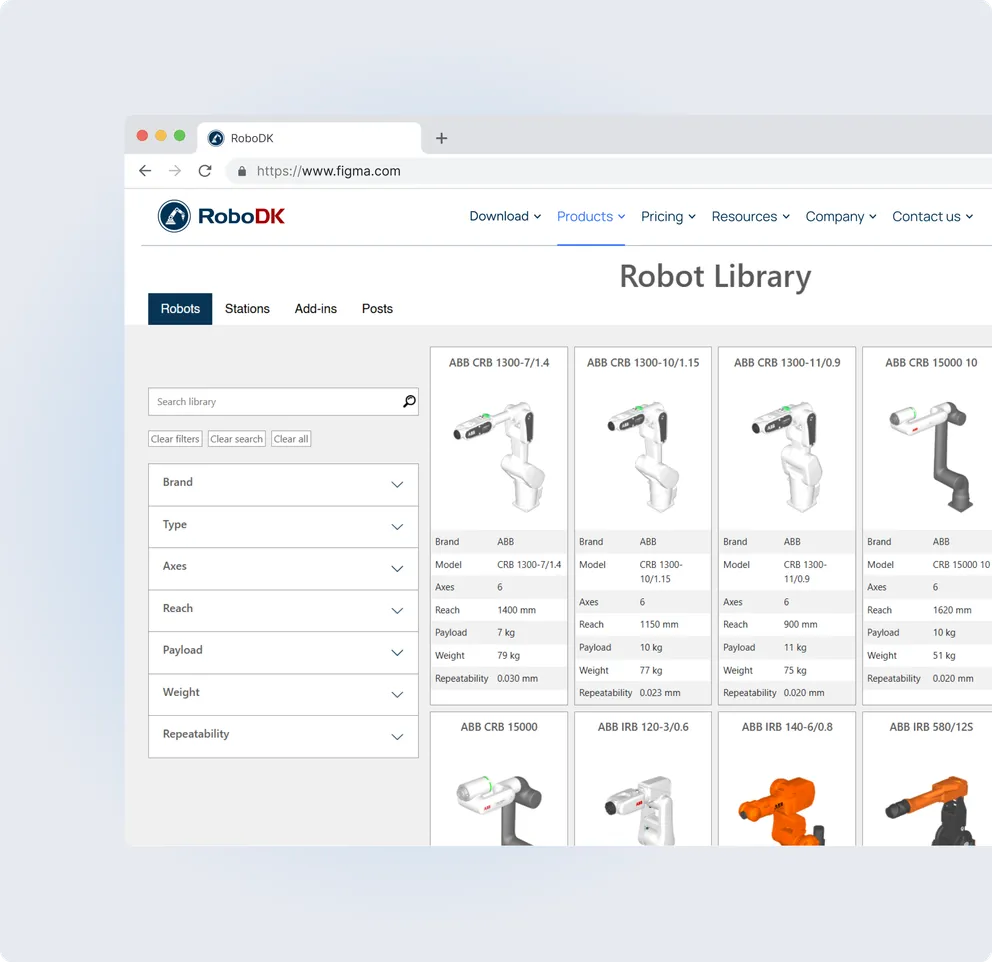
Image source: https://robodk.com/
Purpose of RoboDK
RoboDK is software designed for simulation and offline programming of robotic systems. Its use enables the creation of virtual models of robotic cells, verification of robot operation logic, formation of technological operation sequences, and preparation of programs for industrial robots without the need for direct programming on real equipment at the initial stages.
Within the educational process, RoboDK is used as a tool for:
- 3D modeling of robotic production cells;
- simulation of industrial robot operation;
- offline programming of robotic systems;
- planning and verification of robot motion trajectories;
- analysis of the work zone and reachability of technological points;
- detection of possible collisions between the robot, tool, part, fixture, and other cell elements;
- preparation of programs for performing technological operations;
- modeling of automated and robotic production scenarios;
- demonstration of digital manufacturing and Industry 4.0 principles.
RoboDK allows students to work with a digital model of a robotic system before transitioning to real equipment. This increases training safety, reduces the risk of errors during practical classes, and enables more efficient use of the Center’s robotic equipment resources.
Offline Robot Programming
One of the key areas of using RoboDK at the HI-RISE Center is studying the principles of offline programming of industrial robots.
Offline programming involves creating, verifying, and debugging robot programs outside the real production environment. First, the program is created in a digital environment, simulated, and analyzed in terms of motion logic, point reachability, possible collisions, and technological sequence. After that, the program can be adapted for execution on a specific robot and controller.
For the educational process, this is of fundamental importance. Students can practice basic and more advanced robot programming skills without the risk of damaging equipment, tools, or workpieces. They see the consequences of errors in a virtual environment, analyze the causes of incorrect trajectories or unreachable points, and learn to correct the program before launching the real robot.
Offline programming also forms in students an understanding of modern robotic production logic, where it is important not only to teach the robot to perform a specific operation but also to pre-design, verify, and optimize the entire production scenario.
Simulation of Robotic Production Cells
RoboDK is used to create digital models of robotic production cells. In such models, it is possible to reproduce the placement of an industrial robot, work tool, workpiece, positioner, technological fixture, tables, enclosures, auxiliary equipment, and other elements of the production environment.
While working with a virtual cell, students learn to:
- choose a rational placement of the robot relative to the work zone;
- analyze the reach limits of the manipulator;
- verify the possibility of performing a technological operation without collisions;
- take into account the dimensions of the tool, workpiece, and fixture;
- build the robot’s motion sequence;
- evaluate the convenience and safety of the future production scenario;
- model the interaction of the robot with other elements of the technological system.
This training format allows transitioning from abstract study of robotics to practical engineering design. Students see not just an individual robot, but a complete robotic system in which the spatial arrangement of equipment, motion logic, safety, technological sequence, and the possibility of implementing the operation in a real production environment are important.
Connection with Real Equipment of the HI-RISE Center
The use of RoboDK at the HI-RISE Center complements practical work with real robotic equipment. The software is used as an intermediate link between the theoretical study of industrial robotics and the execution of practical tasks on physical robotic systems.
At the HI-RISE Center, RoboDK is used to prepare students for work with industrial robots, collaborative robots, robotic production cells, technological fixtures, positioners, and robotic welding equipment.
Preliminary modeling in RoboDK allows:
- preparing students to work with a real robot;
- explaining the logic of building a robotic program;
- practicing basic movements and technological trajectories;
- checking possible work zone limitations;
- showing the relationship between the digital model and the real robotic system;
- reducing equipment setup time during practical classes;
- increasing the level of safety when working with robotic systems.
This enables students to gradually transition from computer simulation to real engineering tasks. This approach corresponds to modern practices of training specialists for industry, where digital modeling and preliminary verification of technological solutions are an important part of production preparation.
Use of RoboDK in Educational Disciplines and Practical Training
RoboDK is used during classes, laboratory work, practical sessions, individual tasks, course projects, and the preparation of student engineering projects related to robotic production systems.
The software can be applied in the study of areas related to:
- basics of industrial robotics;
- programming industrial robots;
- automation of production processes;
- robotic welding;
- digital manufacturing;
- modeling of robotic cells;
- offline programming;
- kinematics of industrial robots;
- motion trajectory planning;
- analysis of work zones of robotic systems;
- integration of robots into production processes;
- application of digital tools in engineering activities.
In the educational process, students can perform tasks such as creating a virtual robotic cell, importing 3D models, selecting a robot from the library, setting up a tool, defining coordinate systems, building technological points, forming motion trajectories, simulating programs, and analyzing results.
Individual tasks may involve modeling part handling operations, pick-and-place, sorting, stacking, servicing technological equipment, preparing trajectories for welding, or other technological processes that can be implemented using industrial robots.
Robotic Welding and Technological Operations
For the HI-RISE Center, the use of RoboDK is of particular importance in the context of training specialists for robotic welding and other technological operations related to industrial automation.
RoboDK allows modeling the movement of the robot with the tool along a given trajectory, analyzing the position of the tool relative to the part, checking the reachability of technological points, evaluating possible collisions, and pre-working out the logic of operation execution.
In the educational process, this can be used to explain:
- principles of building the tool trajectory;
- orientation of the working body relative to the workpiece;
- the influence of part position on the possibility of performing the operation;
- the role of the positioner and technological fixture;
- the need for preliminary verification of robot movements;
- the logic of preparing a robotic welding operation;
- the connection between the digital model and the real technological process.
The use of RoboDK in this area allows students to develop a systemic understanding of robotic welding: from building a digital model and programming the trajectory to analyzing the possibility of implementing the operation on real equipment.
Support for Various Robots and Production Scenarios
One of the advantages of RoboDK as an educational tool is the ability to work with a wide library of industrial robot models and typical production applications. This allows the software to be used not only to demonstrate the specific equipment available at the Center but also to familiarize students with different approaches to robotizing production processes.
In the virtual environment, it is possible to compare different configurations of robotic systems, analyze equipment placement features, study work zone limitations, model various technological scenarios, and evaluate the feasibility of using a robotic solution for a specific task.
This approach expands the educational opportunities of the Center, as students can work not only with physically available equipment but also with a wider set of digital models, production scenarios, and examples of robotic applications.
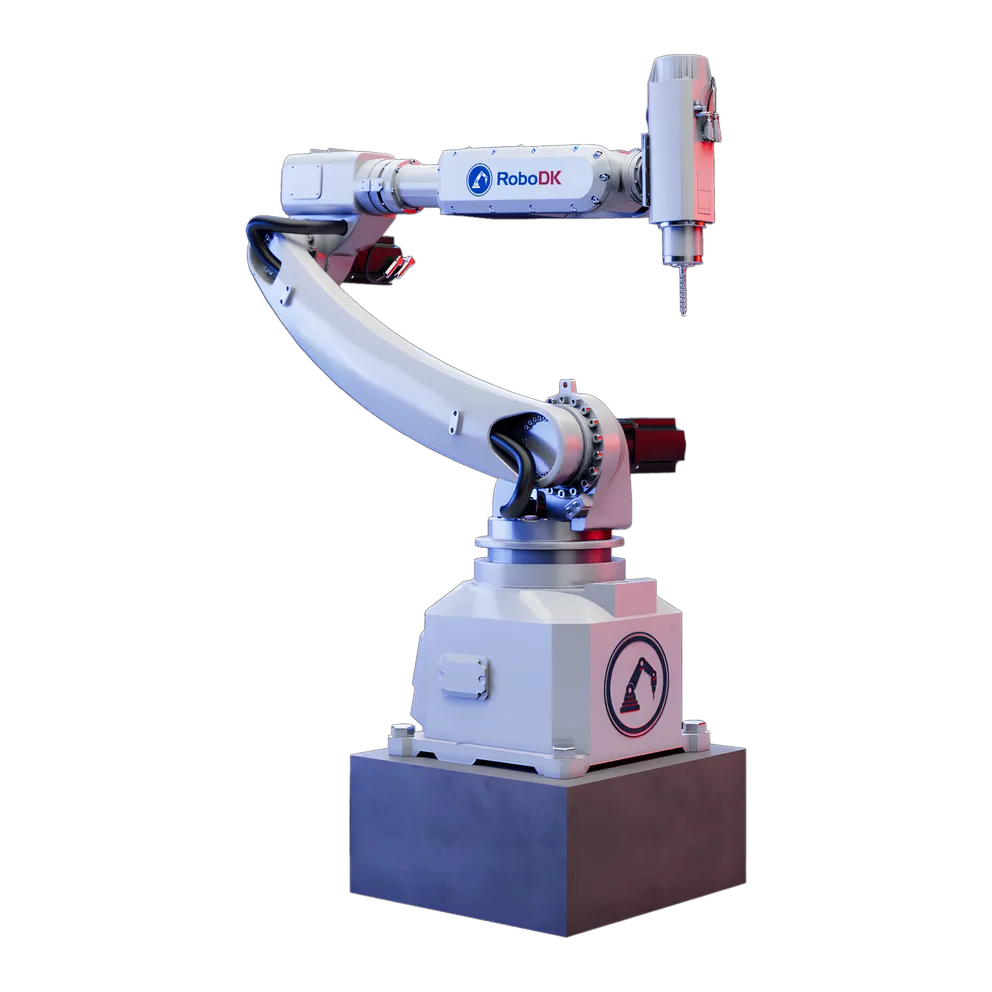
Image source: https://robodk.com/
Formation of Digital and Engineering Competencies
The use of RoboDK at the HI-RISE Center is aimed at developing practical competencies in students that are necessary for working with modern robotic production systems.
In particular, working with RoboDK contributes to the development of the following skills:
- understanding the principles of industrial robot operation;
- building digital models of robotic cells;
- planning movements and technological trajectories;
- analysis of reachability and limitations of robotic systems;
- detection of potential collisions;
- preparing programs for robots in a virtual environment;
- interpretation of simulation results;
- preparation for working with real robotic equipment;
- application of digital manufacturing tools;
- engineering thinking in automation and robotization tasks.
Such competencies are important for future specialists in mechanical engineering, automation, electronics, computer-integrated technologies, welding production, mechatronics, materials science, and related engineering fields.
Advantages of Using RoboDK in the Educational Process
The use of RoboDK in the educational process has a number of important advantages for students, teachers, and the HI-RISE Center as a whole.
For students, RoboDK provides the opportunity to work with robotic systems in a virtual environment, safely experiment with trajectories, make mistakes, analyze errors, and gradually transition to working with real equipment.
For teachers, RoboDK is a tool for demonstrating complex engineering processes that are difficult to explain only theoretically. Through simulation, it is possible to visually show the robot’s work zone, motion limitations, collisions, the impact of equipment placement, program building logic, and the features of performing a technological operation.
For the HI-RISE Center, using RoboDK allows for more rational organization of practical training, pre-preparation of educational scenarios, modeling of future laboratory work, reduction of risks during real equipment launch, and expansion of the range of educational tasks.
RoboDK as an Element of Digital Manufacturing and Industry 4.0
RoboDK is used at the HI-RISE Center as one of the tools of digital manufacturing. Its application corresponds to the logic of Industry 4.0, where digital models, simulation, virtual commissioning, integration of software with production equipment, and preliminary verification of technological solutions play an important role.
In modern production, a robotic system is not considered merely as a physical robot. It is part of a broader digital environment that combines 3D models, technological data, programming, simulation, safety analysis, process optimization, and interaction with other elements of the production infrastructure.
That is why using RoboDK in student training allows forming an understanding of modern engineering practice, where a digital model precedes real launch, and robot programming is linked to the analysis of the production environment, technological limitations, and safety requirements.
Significance of RoboDK Educational Licenses for the HI-RISE Center
Educational licenses for RoboDK are an important component of the development of the educational environment at the HI-RISE Center for Engineering of Robotic Production Systems.
Their use ensures students’ access to a modern software tool used for simulation and offline programming of industrial robots. This expands the possibilities of the educational process, improves the quality of practical training, and creates conditions for students to perform engineering tasks close to real production processes.
Thanks to RoboDK, students can not only study the principles of robotics but also independently model robotic systems, test their own solutions, analyze errors, optimize trajectories, and prepare for work with real industrial equipment.
Use in Educational and Research Projects
RoboDK can be used not only within classes but also during the implementation of student, scientific, research, and applied projects at the HI-RISE Center.
The software is useful for:
- preparation of student projects in industrial robotics;
- modeling robotic production processes;
- preliminary verification of automation ideas for operations;
- development of demonstration scenarios for robotic systems;
- preparation of educational materials and laboratory works;
- analysis of the feasibility of robotizing individual production tasks;
- demonstration of digital modeling capabilities to enterprises and partners;
- preparation of materials for project, grant, and innovation activities.
In this context, RoboDK is not only an educational tool but also a component of the Center’s engineering infrastructure, supporting educational, research, and applied activities in the field of robotic production systems.
Thus, the use of RoboDK at the HI-RISE Center for Engineering of Robotic Production Systems of the Zaporizhzhia Polytechnic National University is an important element of modern training of specialists for industrial robotics, automation, digital manufacturing, and robotic technological processes.
RoboDK provides the opportunity to combine digital modeling, simulation, offline programming, and practical work with real equipment. This creates an effective educational environment in which students can develop the engineering competencies necessary for working with modern robotic production systems. The use of RoboDK contributes to increasing the safety of the educational process, developing practical robot programming skills, understanding the principles of digital manufacturing, and preparing students for the real tasks of modern industry.