From anticipation to action: the Finnish model of skills development

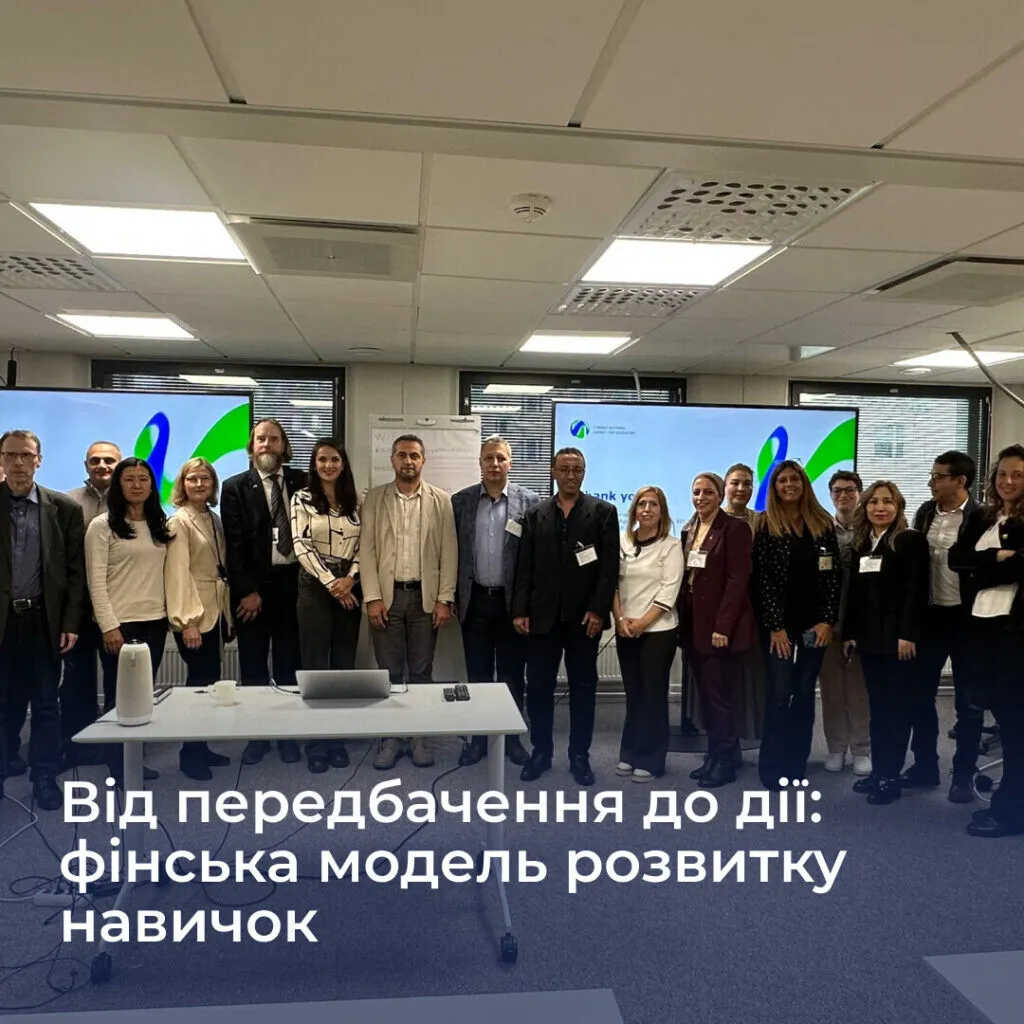
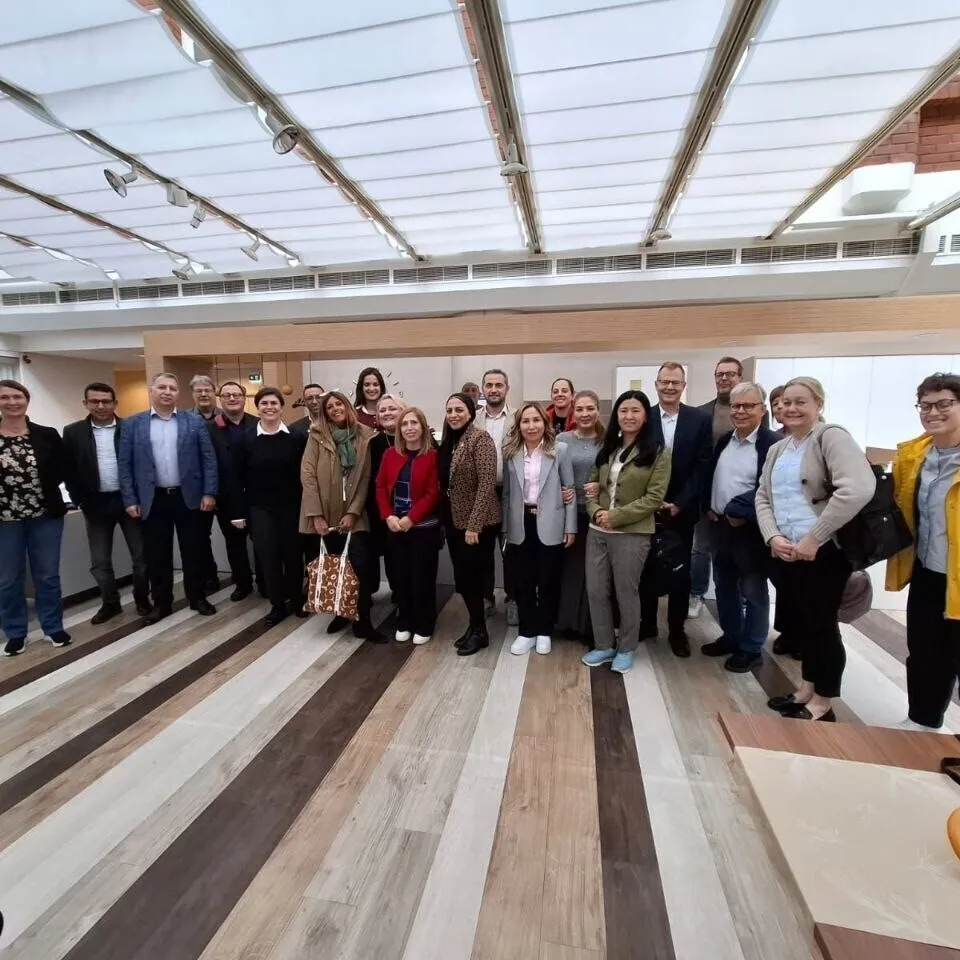
From September 15 to 18, Ruslan Kulikovskyi, vice-rector for scientific and pedagogical work and prospective development of the National University «Zaporizka Polytechnic», made a working visit to Finland as part of the ETF Skills Lab expert network team. This community was formed by the European Education Fund as a platform for co-creating, sharing and disseminating labor market research to develop a culture of foresight and skills selection in EU partner countries.
The program of the visit covered national, regional and local institutions that form one of the strongest ecosystems of «skills analytics» in Europe – from the state level in Helsinki to practices in Turku and interaction with the business community.
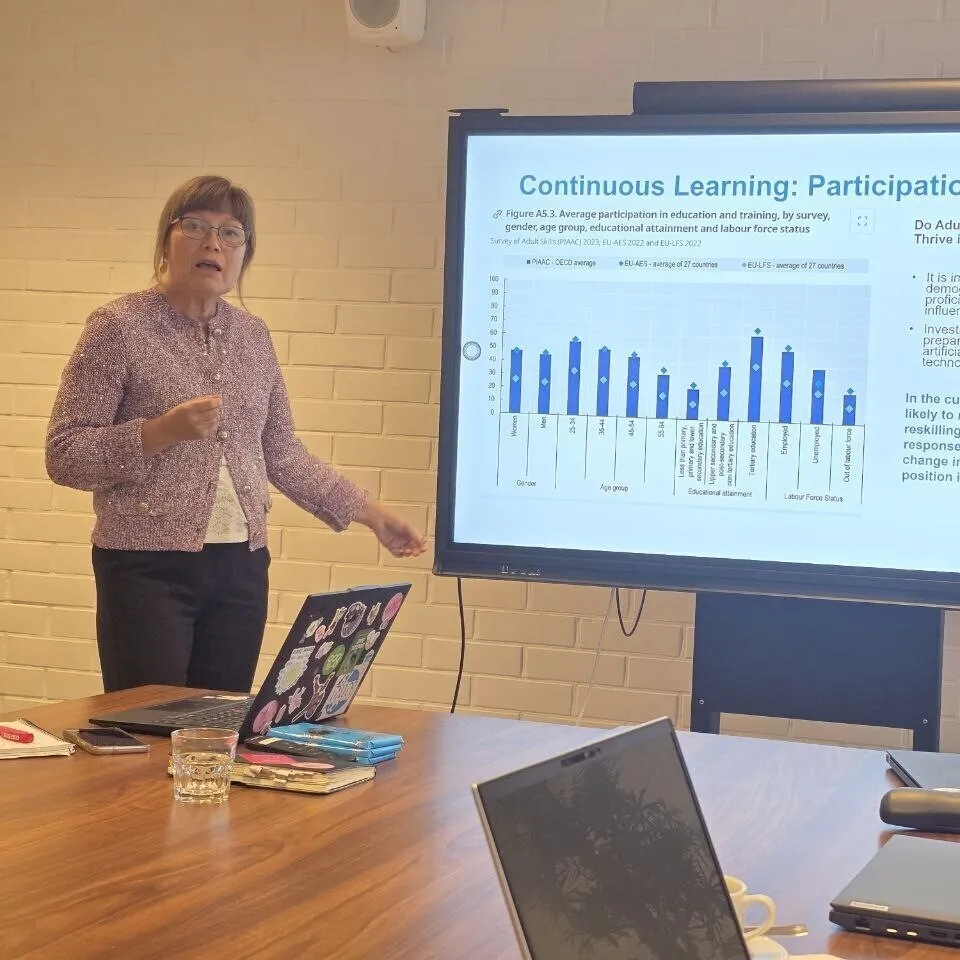
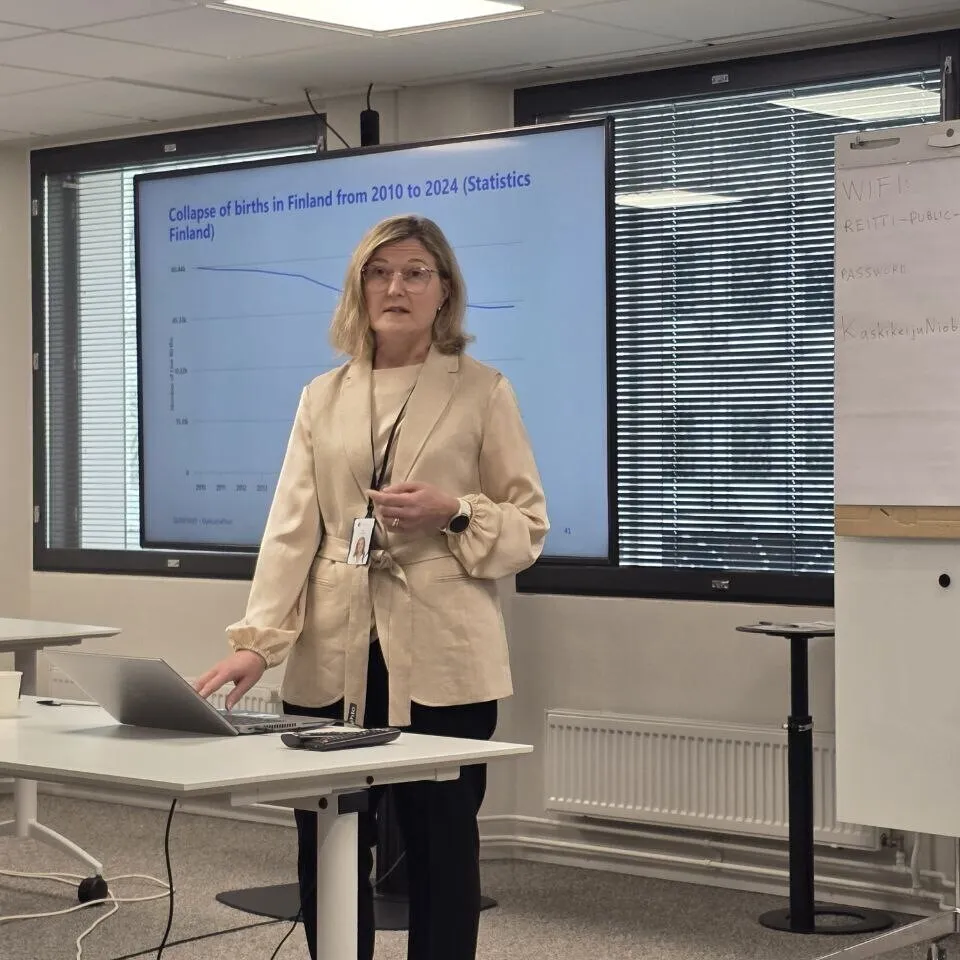
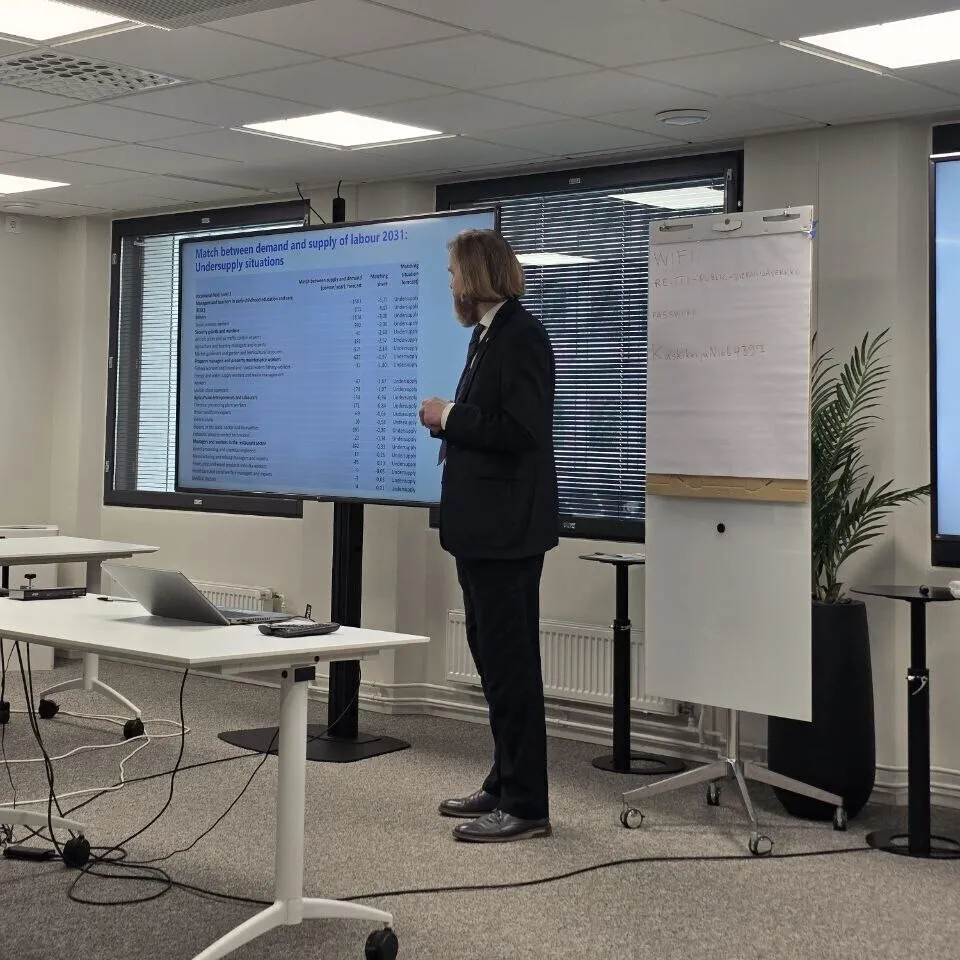
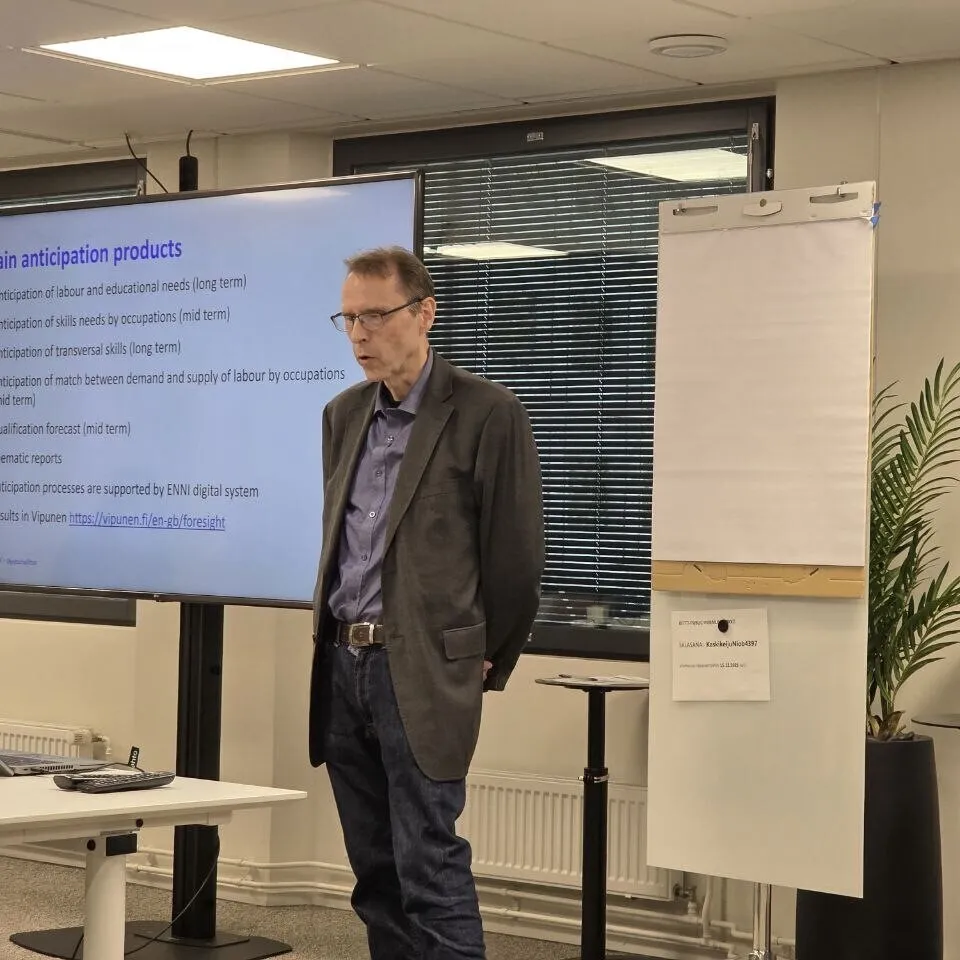
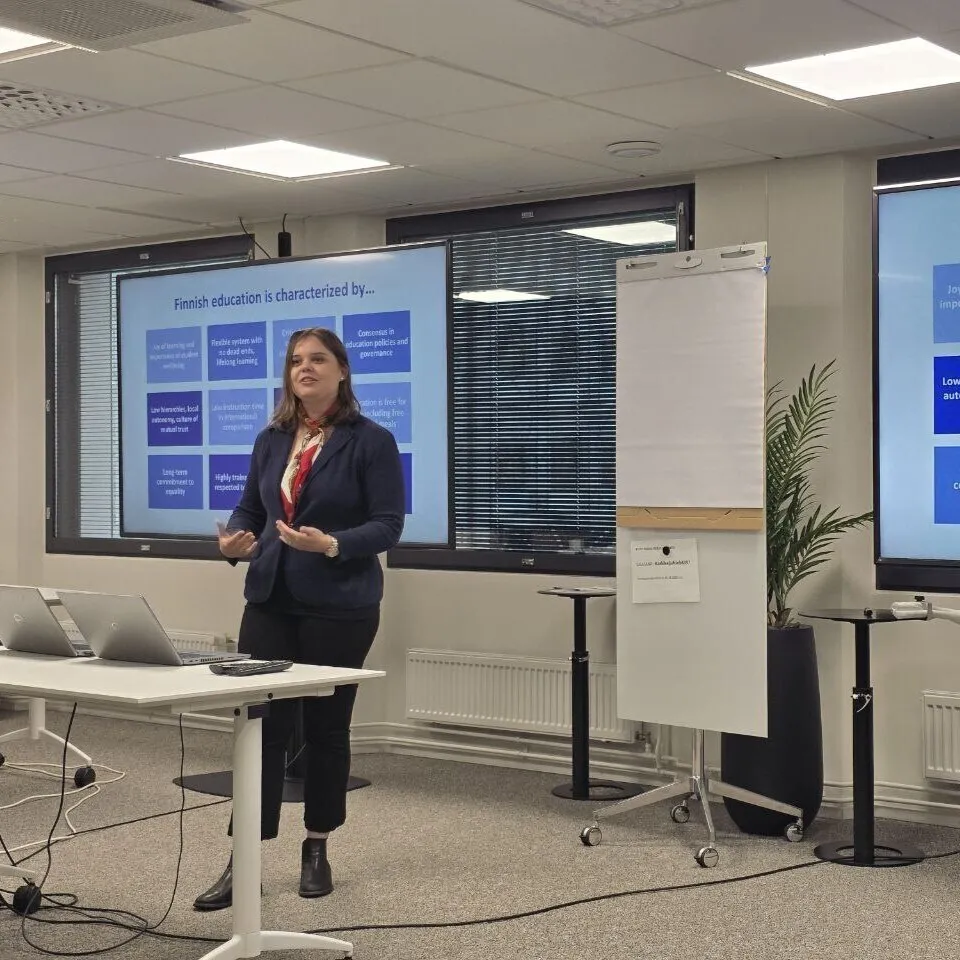
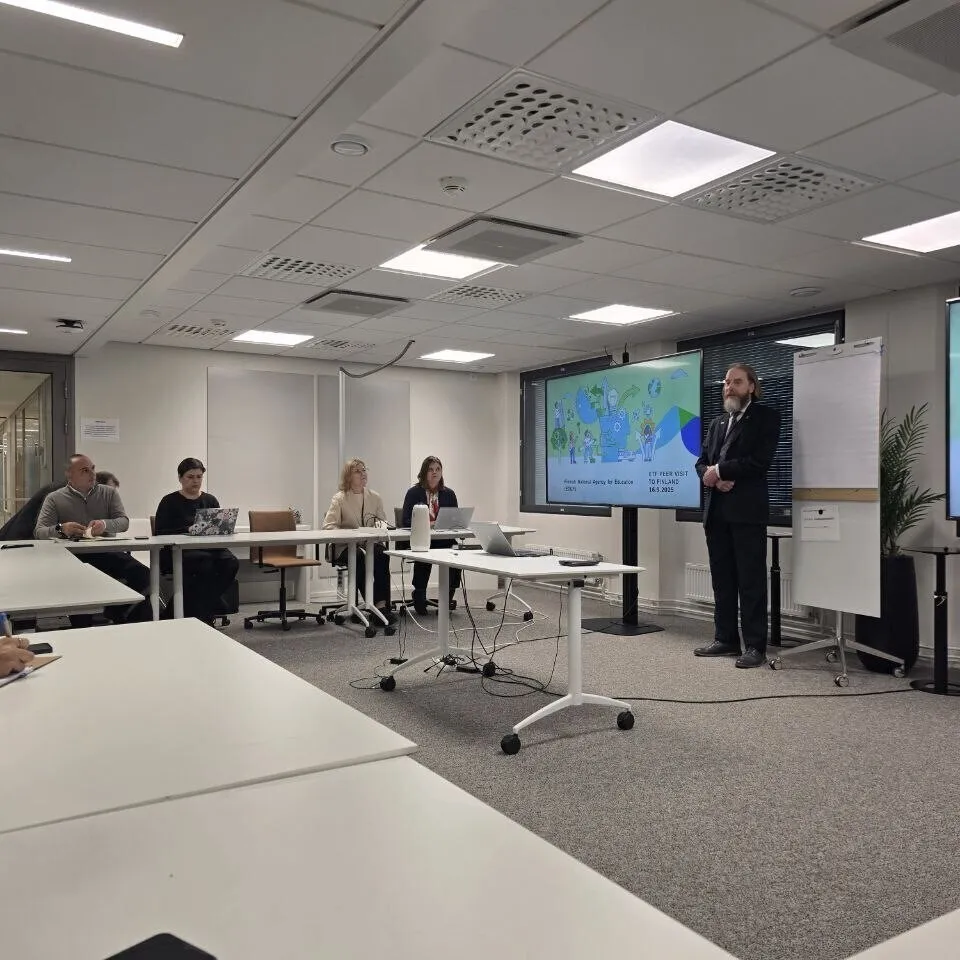
The first day was dedicated to centers setting the framework for public policy in the field of skill prediction. At the Finnish National Education Agency (EDUFI), the team was presented with methods of quantitative analysis of labor market needs and mechanisms by which these data are integrated into education planning.
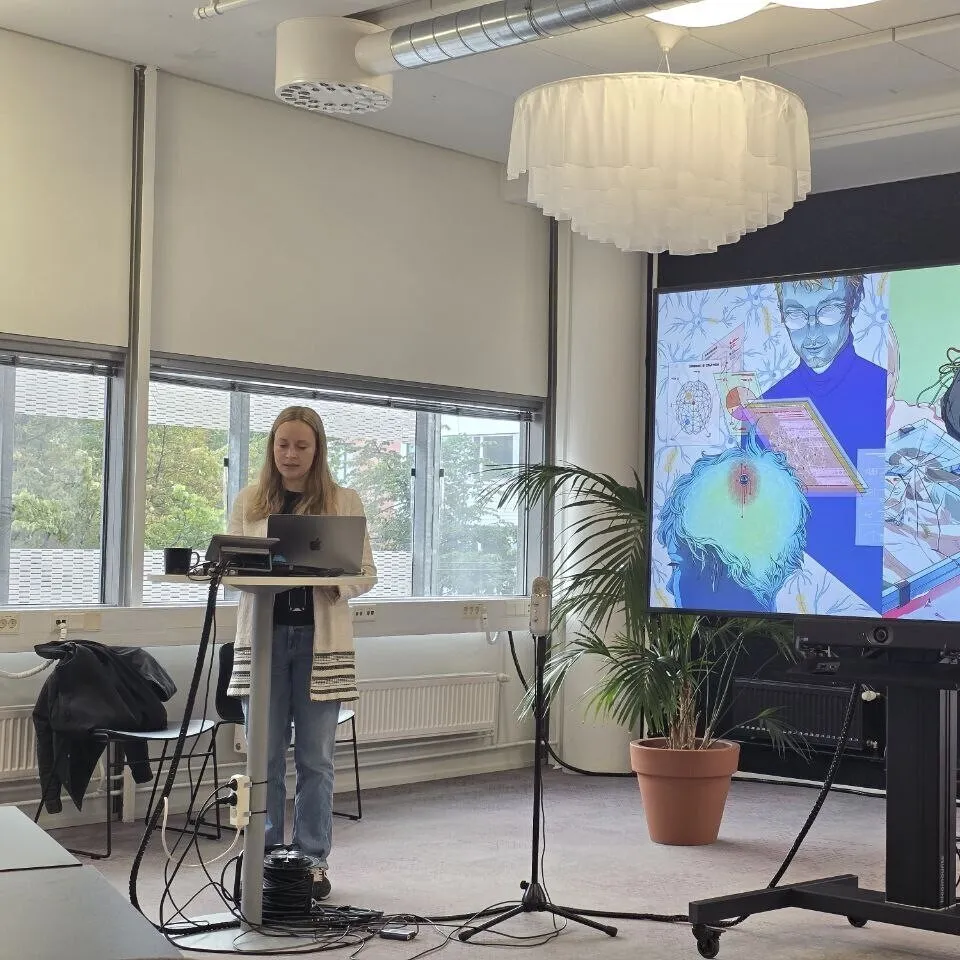
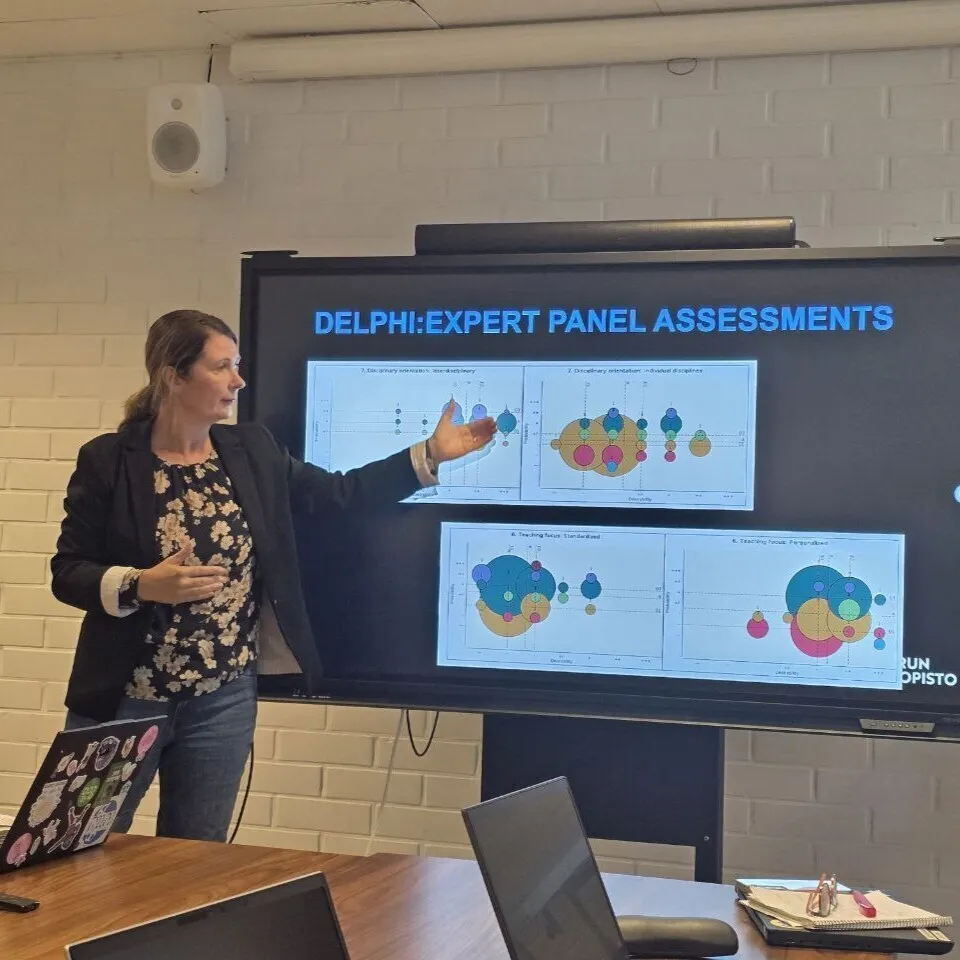
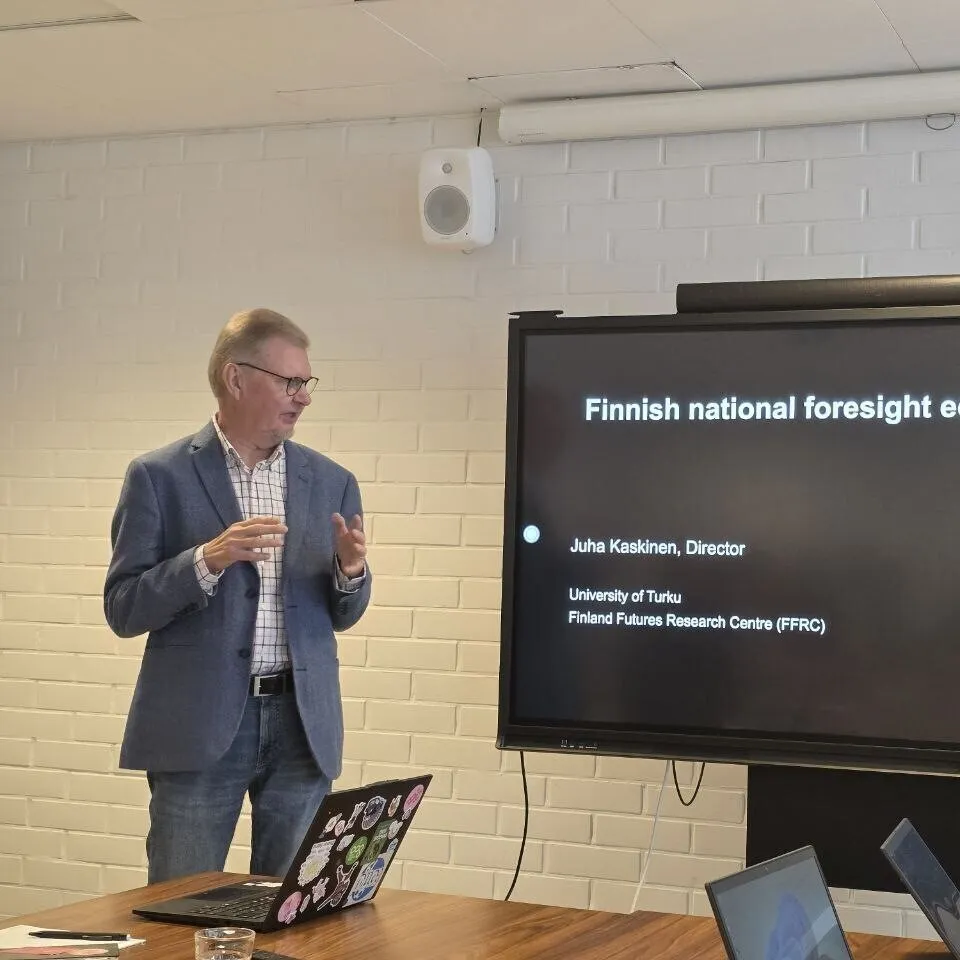
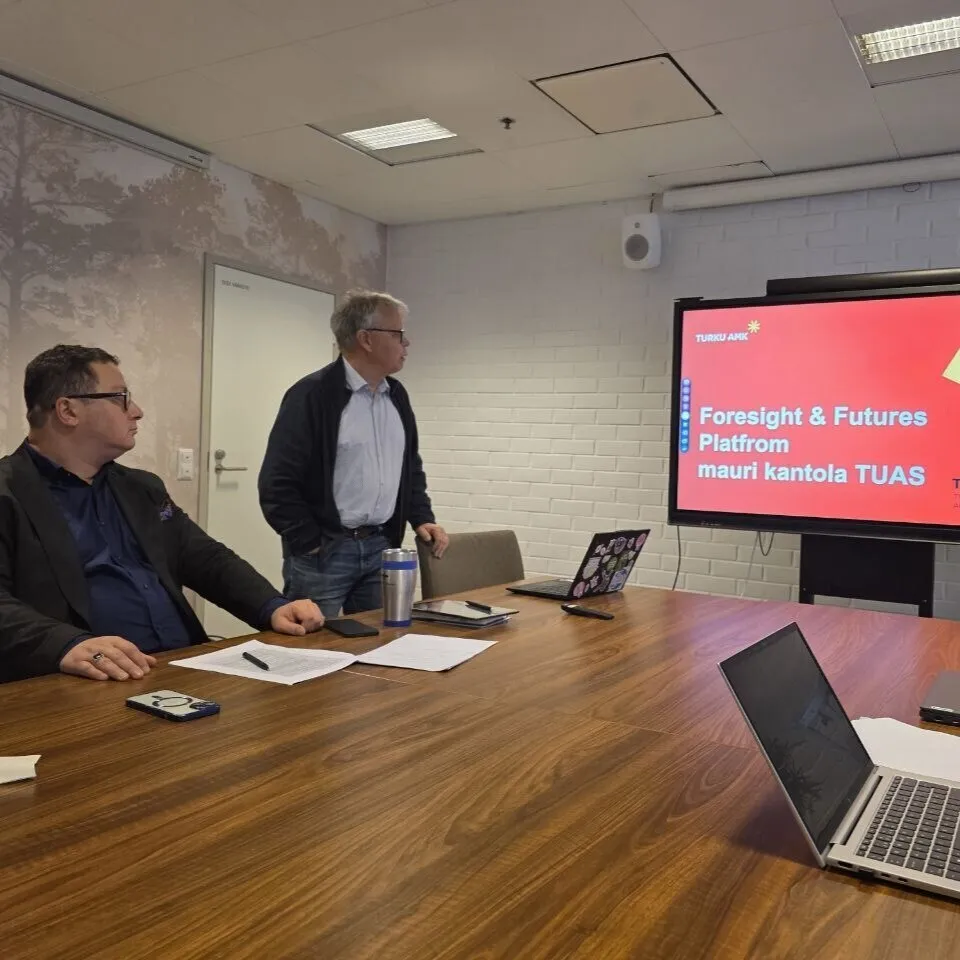
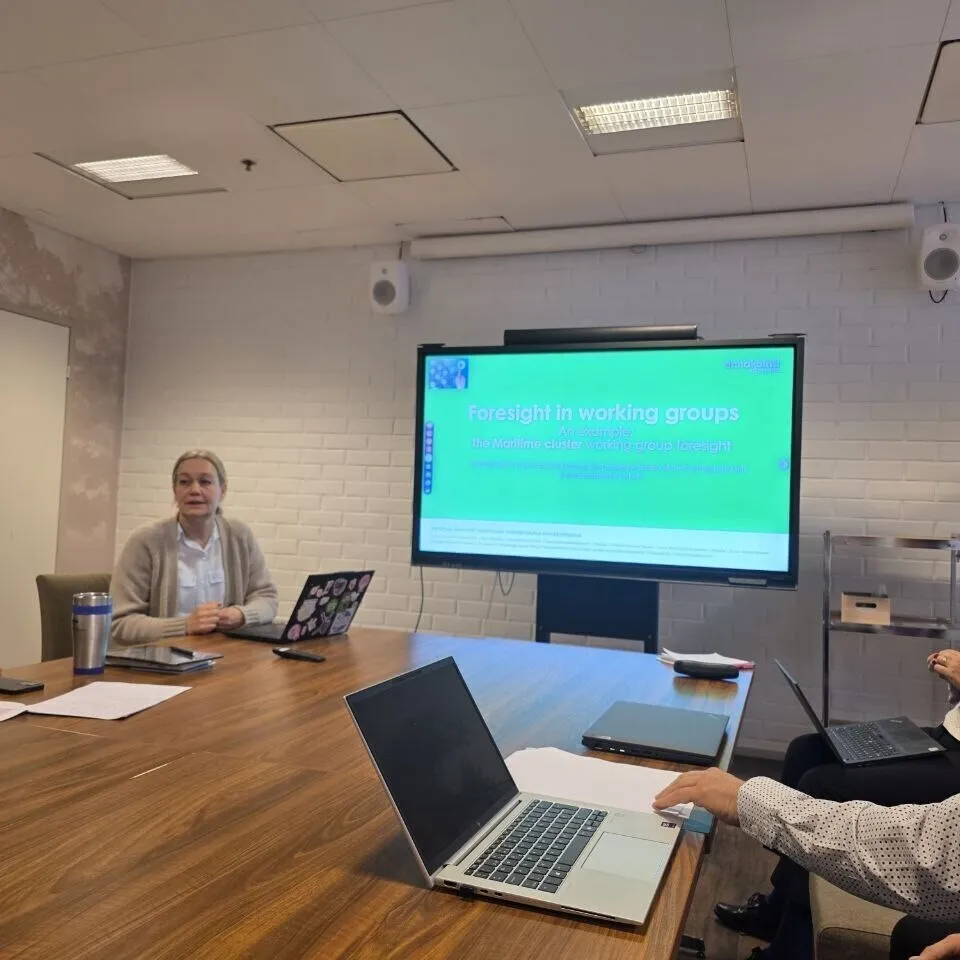
During the second day of the visit, the participants appreciated a broad regional perspective in the city of Turku, where they got to know the Foresight Academy of Southwest Finland, the work of the city’s education sector and the Turku Vocational Institute (TAI). On the real example of the maritime cluster, it was demonstrated how the joint work of analysts, employers and education providers quickly adjusts the content of personnel training, and visual «foresight radars» help to fix trends and translate them into educational solutions without losing pace.
Experts were shown how analytics can be transformed into concrete solutions and learning proposals for the adult population thanks to the Skills Needs Compass tool. The logic of work «data → policy → training» in Finnish practice ensures interaction without unnecessary gaps and delays.
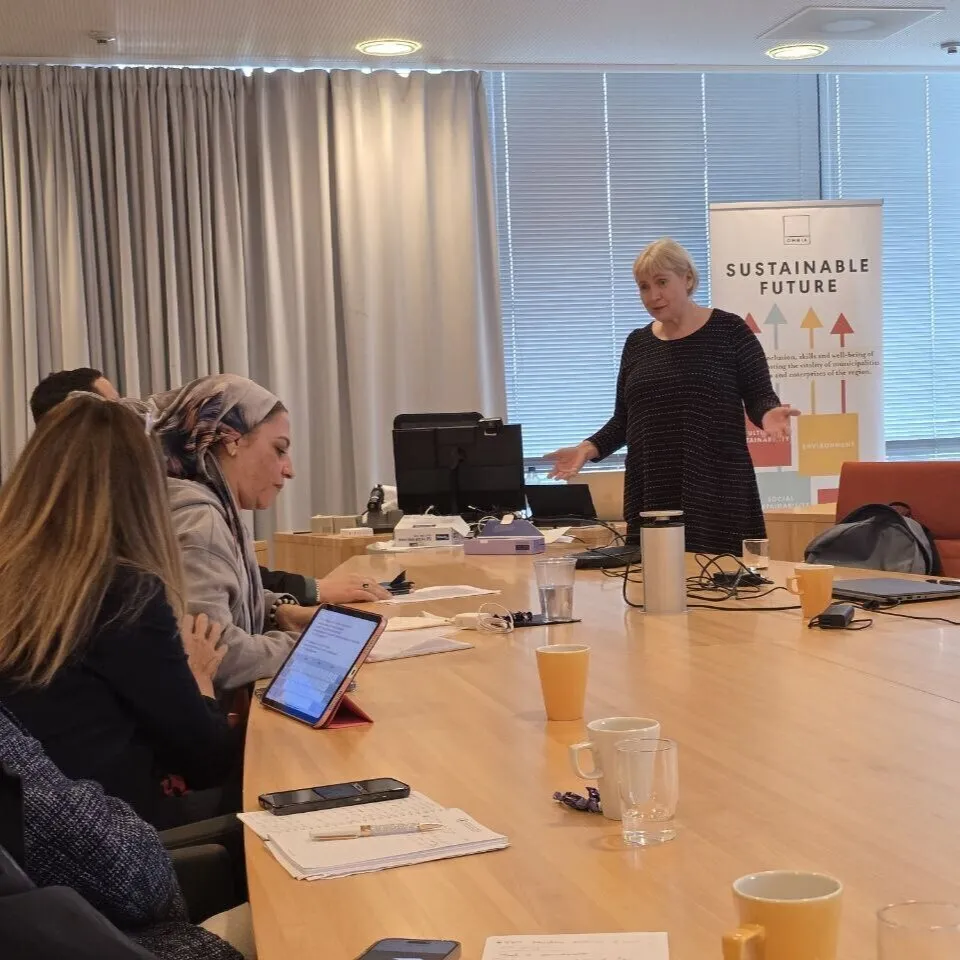
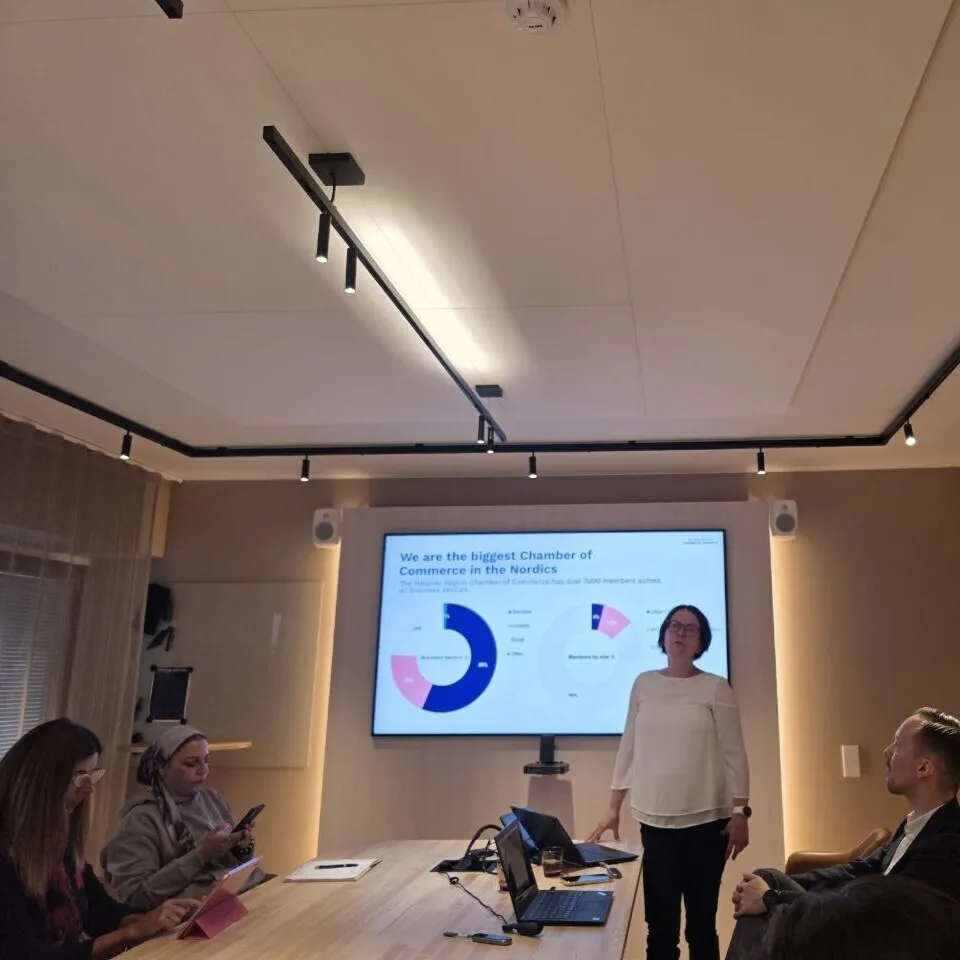
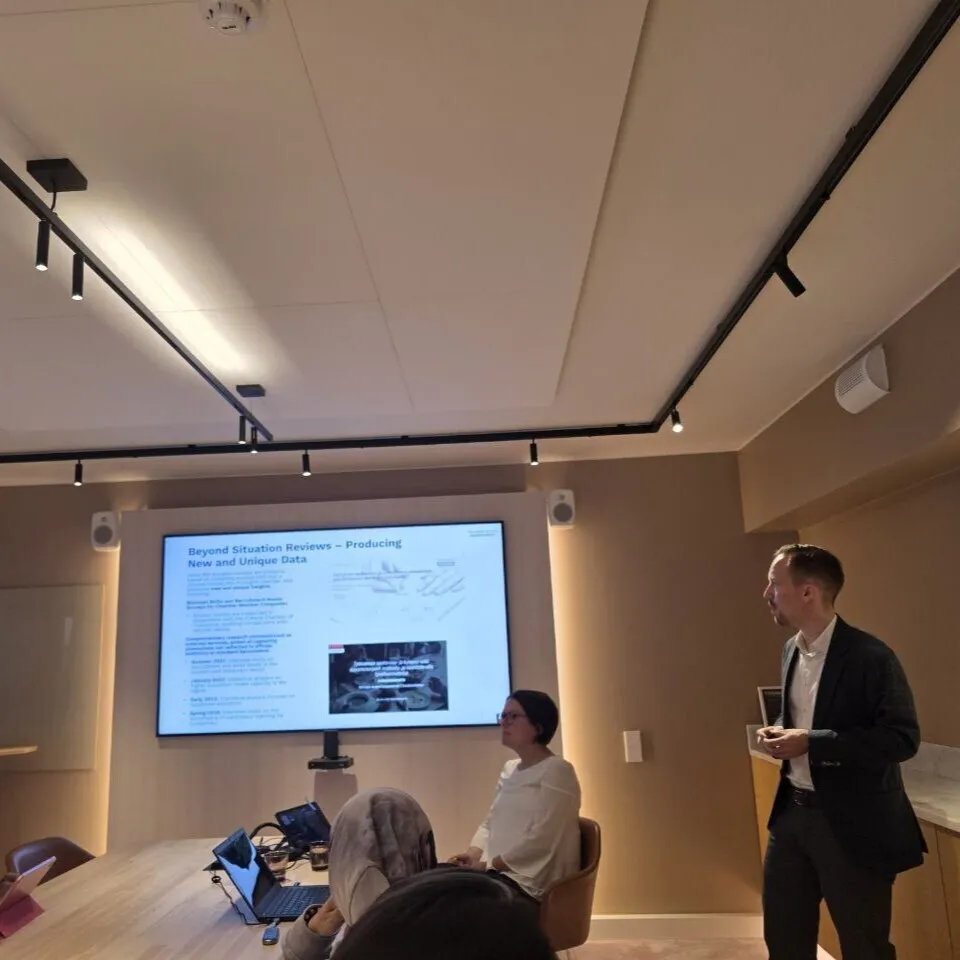
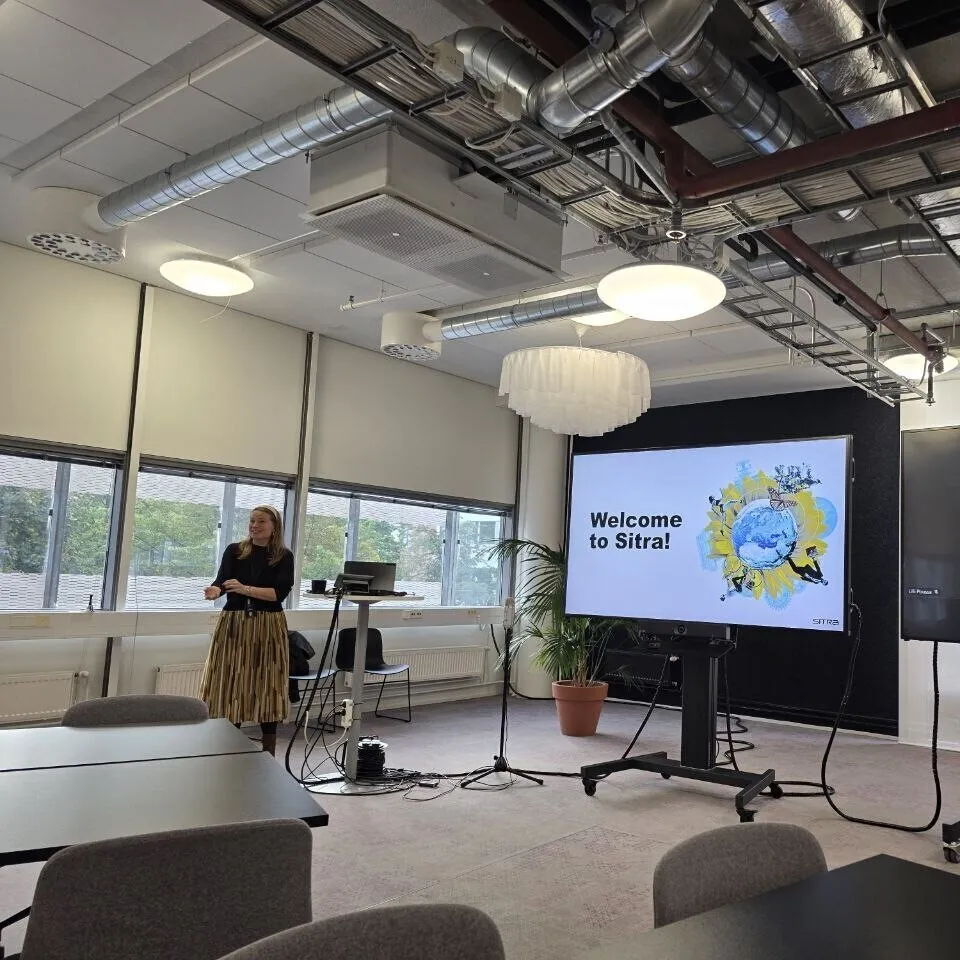
On the final day, a team of experts visited institutions that strengthen the link between foresight, the economy and civil society. The SITRA Innovation Foundation discussed how to embed foresight into decision-making processes and develop the capacity for strategic foresight at the societal level. The Helsinki Chamber of Commerce and Industry presented an example of the «Foresight Chamber» as a platform for the meeting of business and education. A campus visit to Omnia Education Partnerships showed how providers are combining skills analytics with real-world pathways for young people and adults. The final session was aimed at adapting the observed practices to national contexts and planning their dissemination among network members.
The Finnish model demonstrates how to make skills forecasting an integral part of public administration, where data informs policy, policy informs training programs, and training becomes a key driver of productivity and employment growth.
For Ukraine, this experience is extremely relevant due to direct investment in human capital, rapid retraining of adults, including veterans and internally displaced persons, and building sustainable regional partnerships between universities, employers and communities.
The visit is of particular value for Zaporizhzhia Polytechnic, as the university is gradually introducing skills analysis tools into the processes of designing educational programs and is actively developing interaction in the triangle «university — business — local government» to promptly overcome personnel gaps in industrial clusters.
Thanks to the Finnish experience and involvement in an international network of experts, we are provided with access to the latest methodologies and communities that are already practicing the approaches «from prediction to action». This makes it possible to increase the quality of management decisions, strengthen partnerships with business associations and chambers of commerce and industry, and at the same time contributes to the creation of a national skills forecasting system necessary for the recovery of Ukraine on the basis of an innovative economy.