Training «Emotional intelligence: the key to a culture of dialogue and effective conflict resolution»

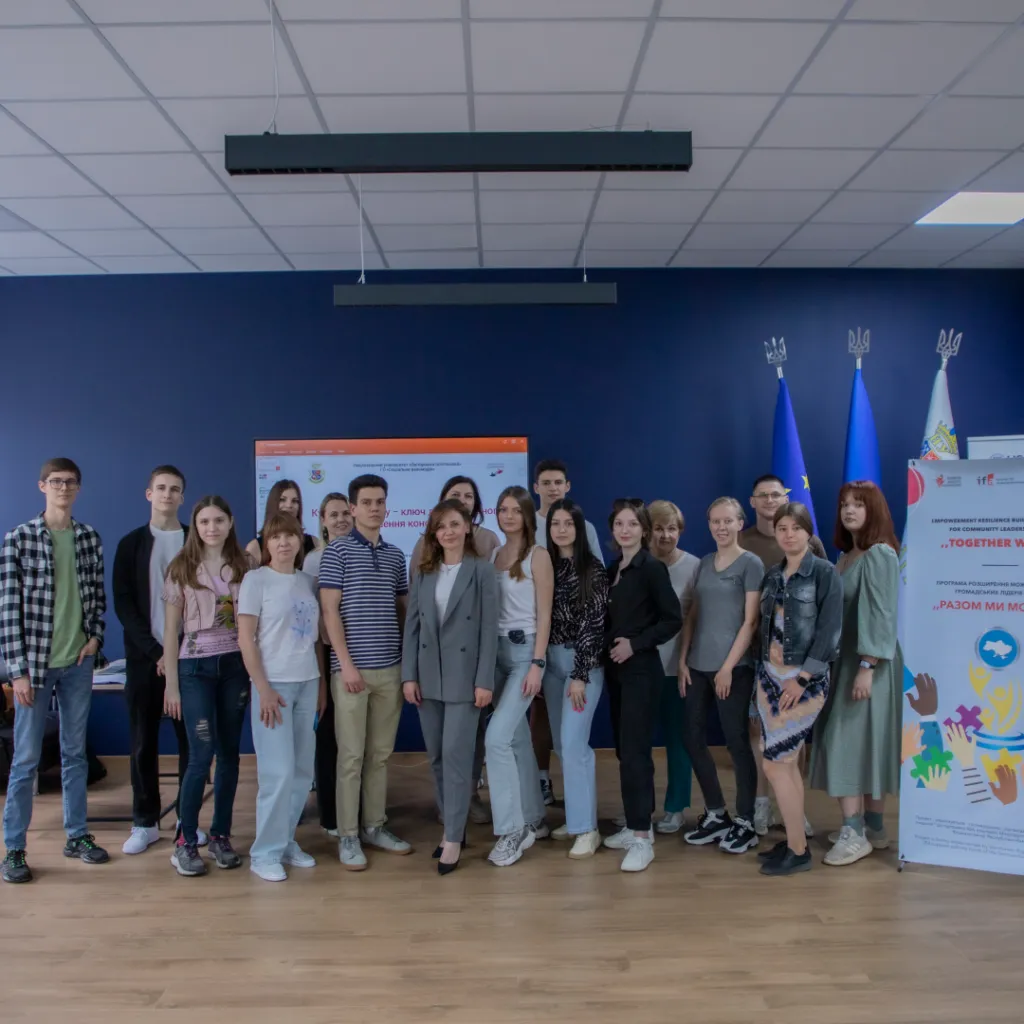
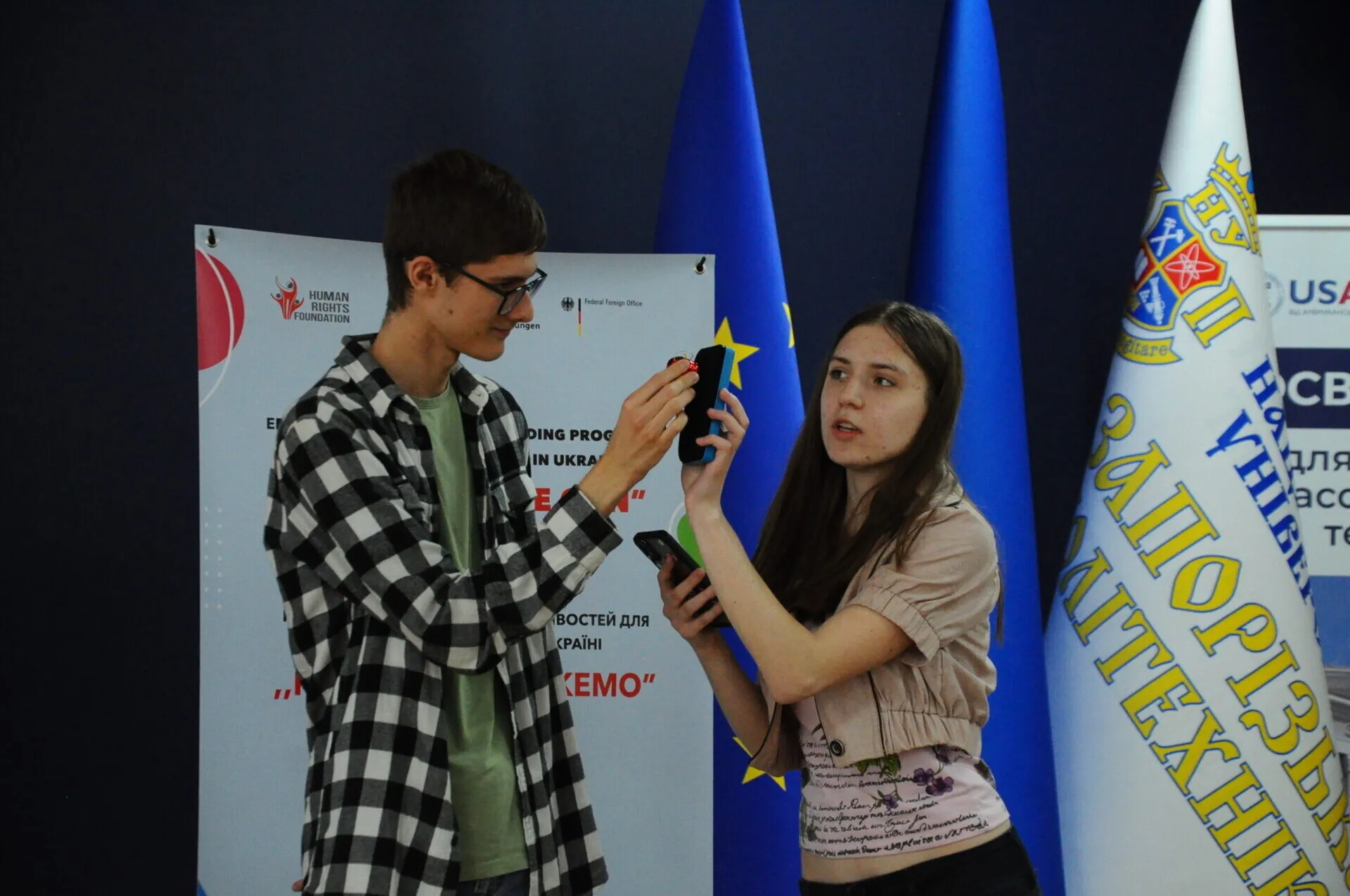
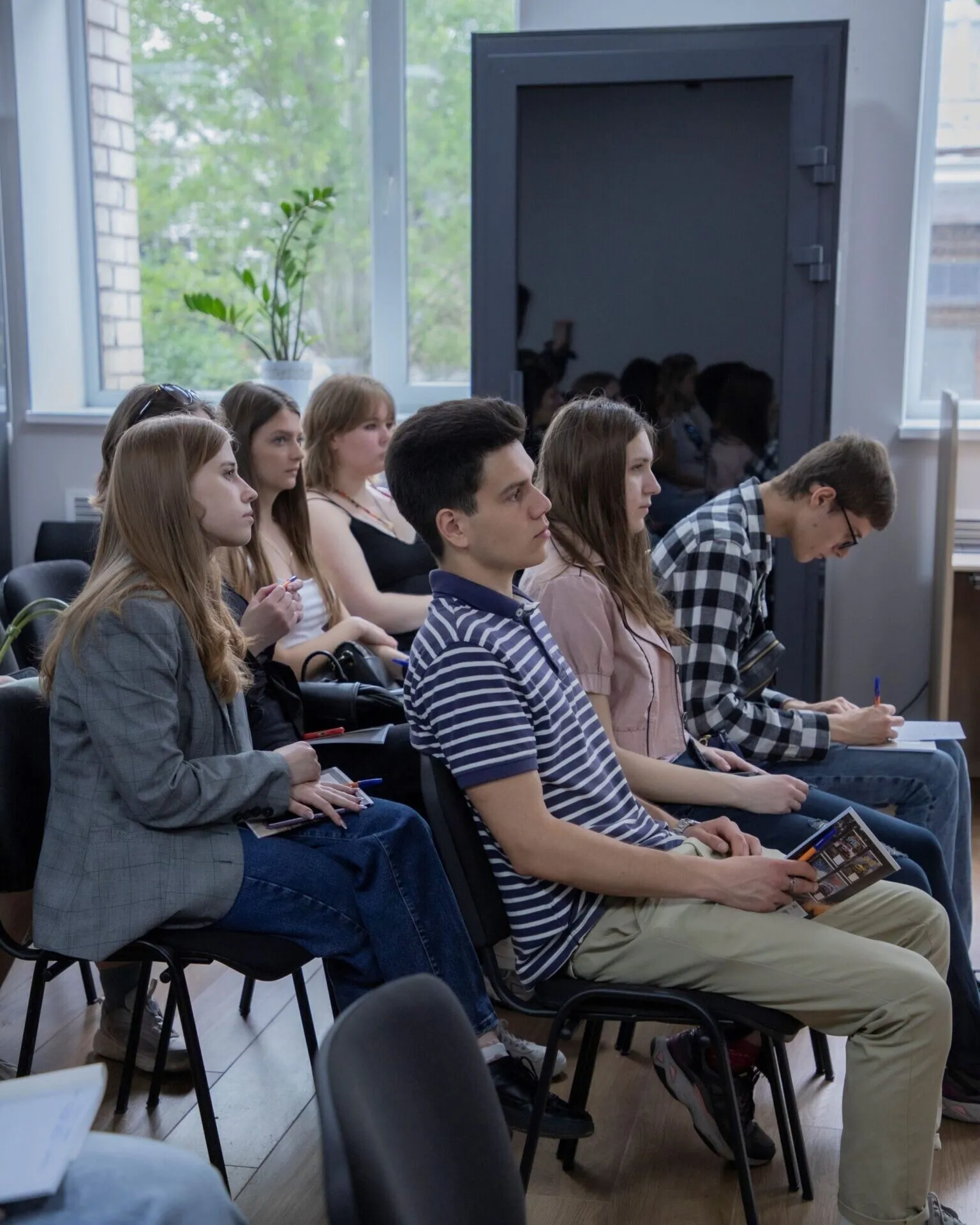
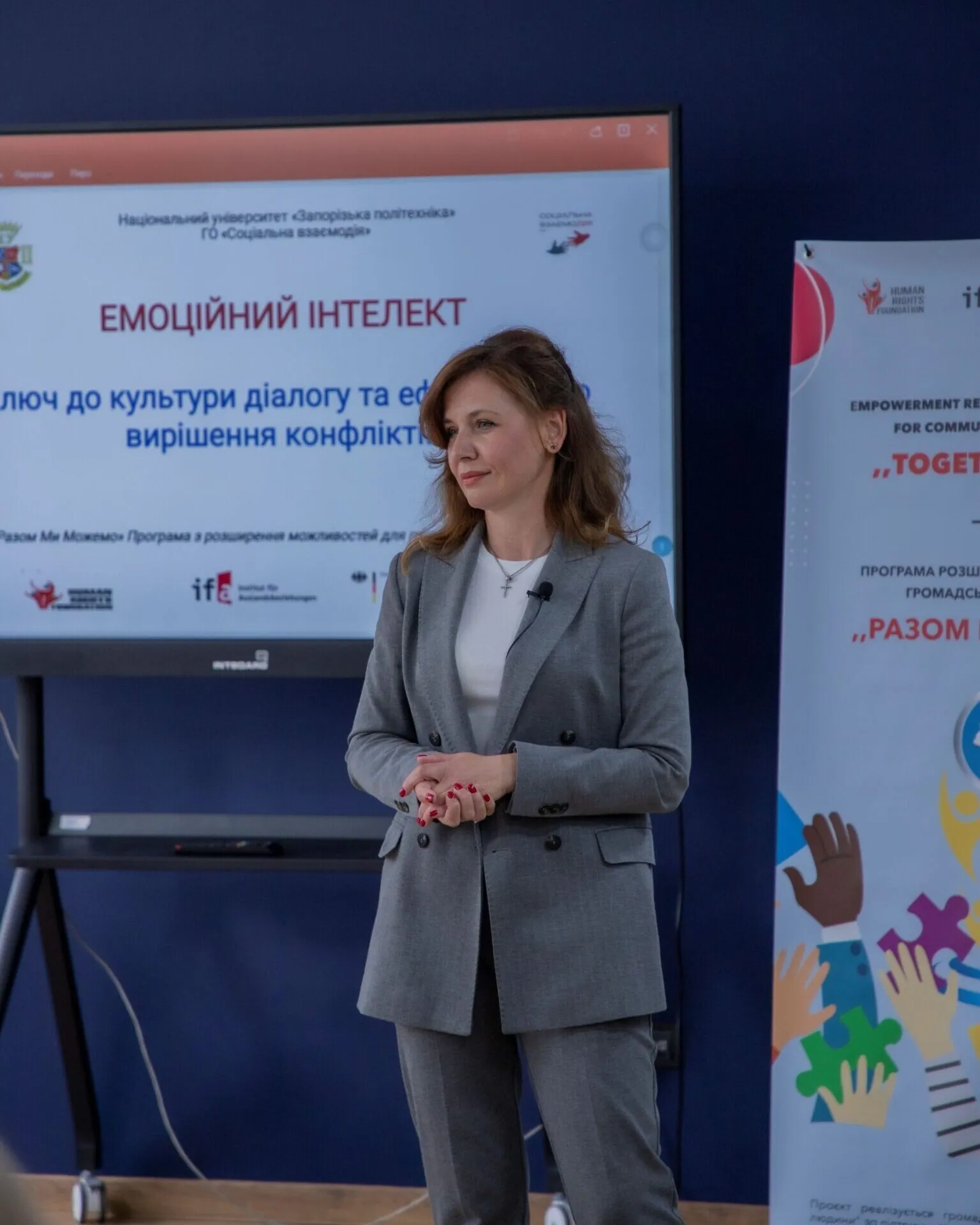
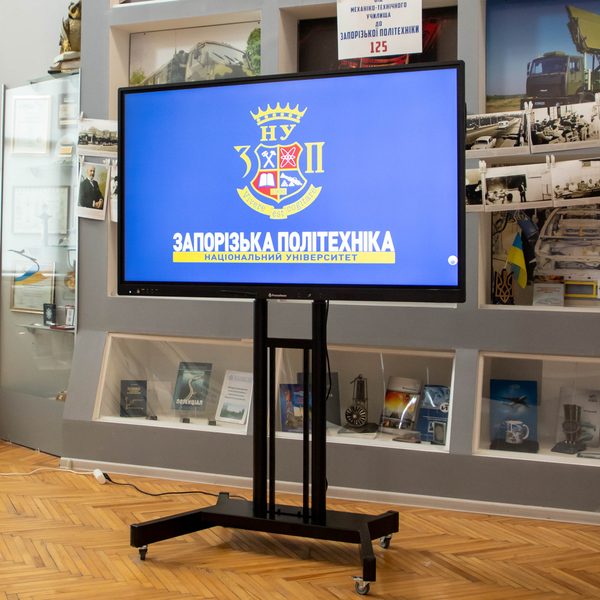
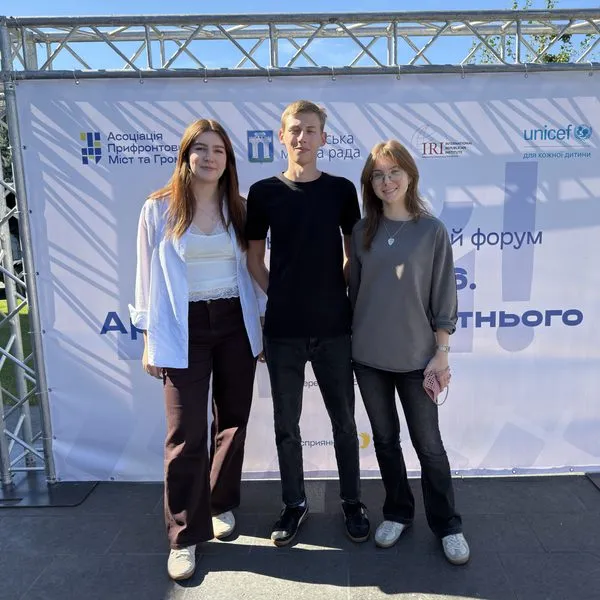
27 травня в НУ «Запорізька політехніка» проходив тренінг «Емоційний інтелект: ключ до культури діалогу та ефективного вирішення конфліктів». Захід проводився у межах проєкту «Разом Ми Можемо» Програми розширення можливостей для громадських лідерів в Україні, який виконується ГО «Соціальна взаємодія», НУ «Запорізька політехніка» у співпраці з ГО «Фундація прав людини» (Київ) за підтримки Інституту зовнішніх культурних зв’язків та Міністерства закордонних справ Федеративної Республіки Німеччина.
Тренеркою була Тетяна Хітрова, яка презентувала учасникам основні теми тренінгу:
— виявлення шляхів до порозуміння та подолання конфліктів у суспільстві
— важливість діалогу, дипломатії та медіації для збереження взаєморозуміння
— значення емоційного інтелекту для людини і чому, часом, він важливіший за IQ
— вміння розуміти та контролювати власні емоції
— роль самоідентифікації людини для відчуття щастя
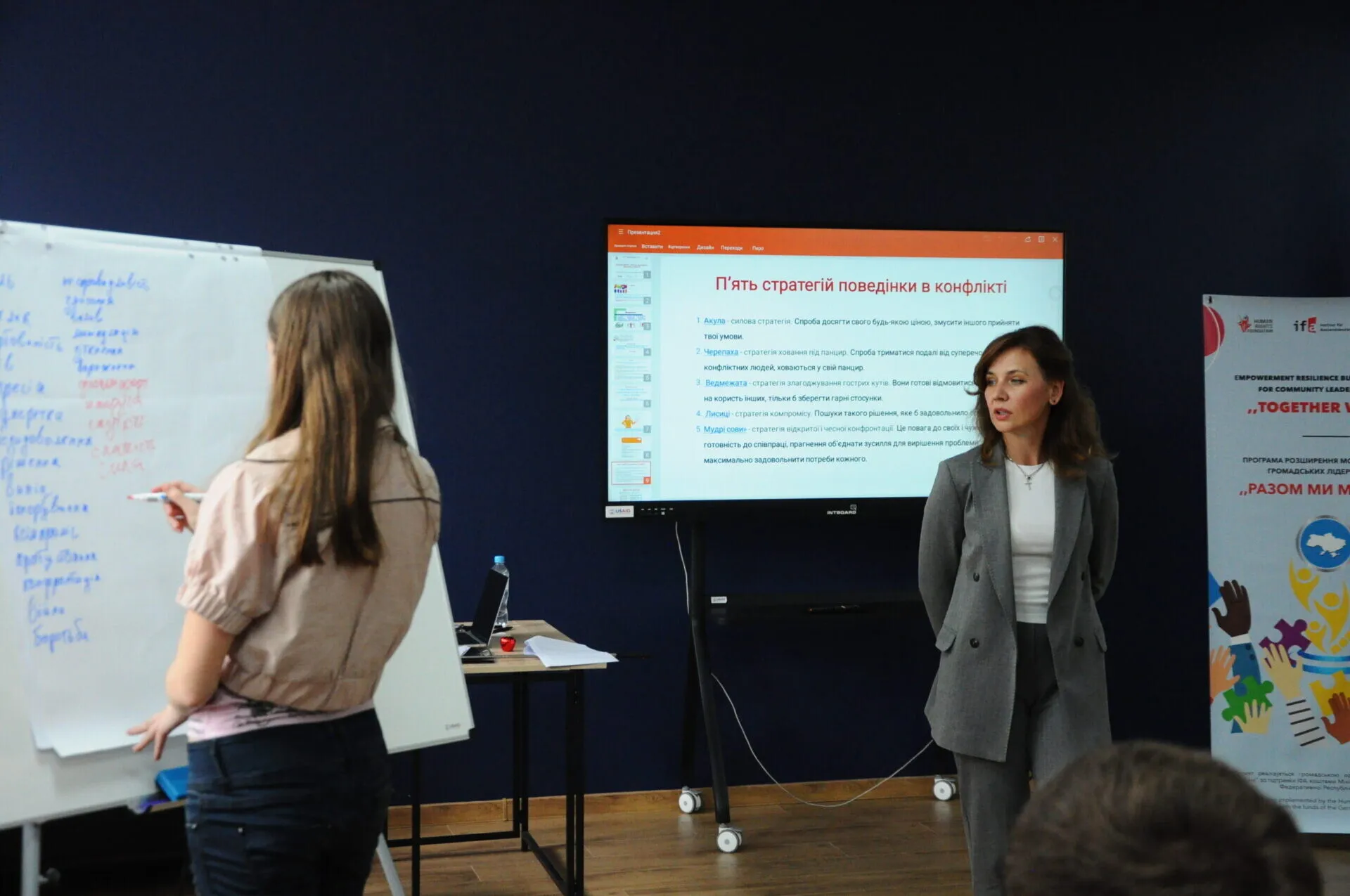
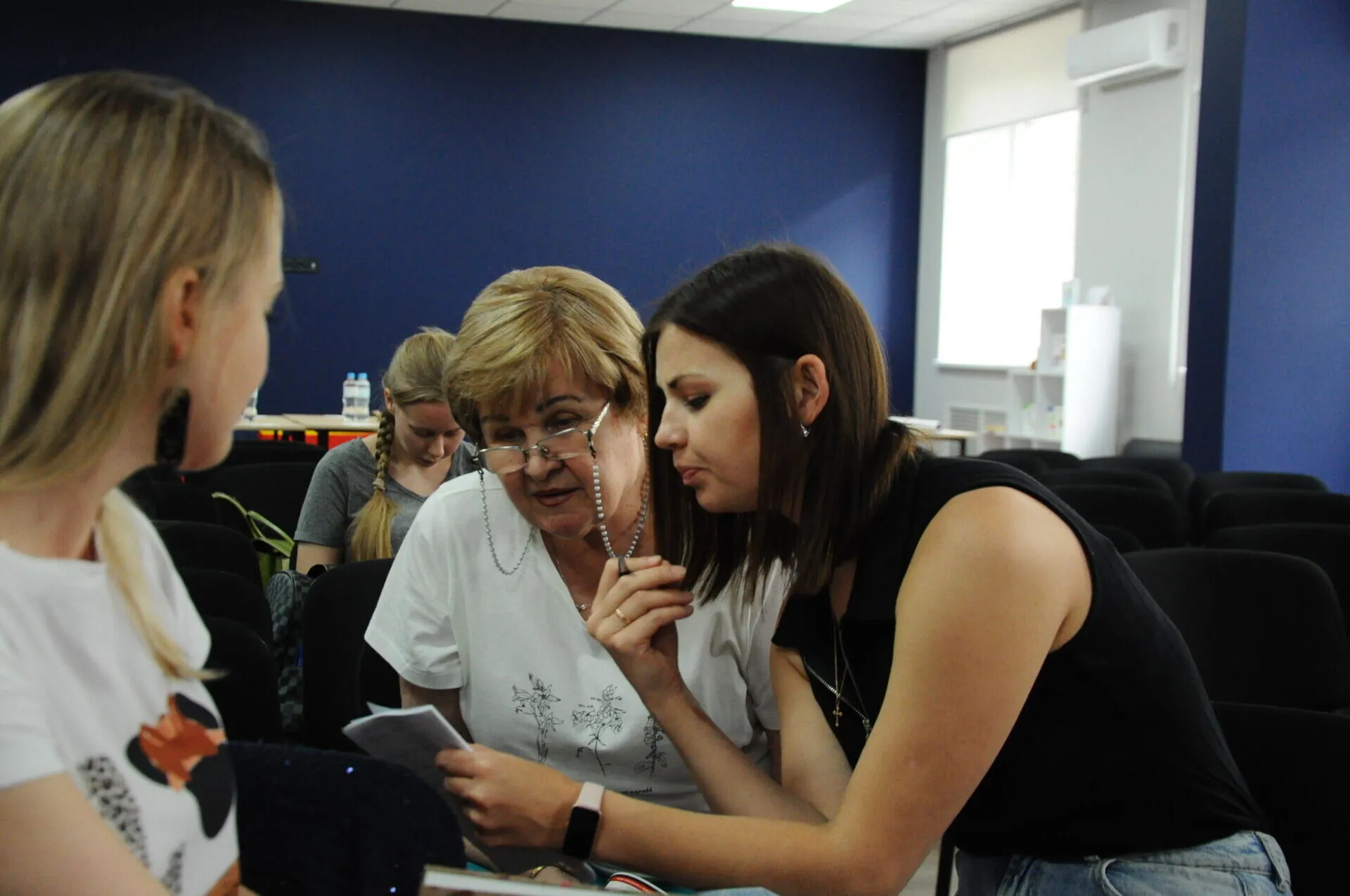
Захід був поділений на умовні три блоки під час яких тренерка зосереджувалася на різних аспектах теми тренінгу. Перший блок був присвячений теорії емоційного інтелекту, а також його ролі для людей в соціумі. Учасники розглянули кейси конфліктних ситуацій та аналізували способи їх вирішення. У межах цього блоку тренерка запропонувала чіткий план ведення діалогу, який можна адаптувати до складних життєвих ситуацій.
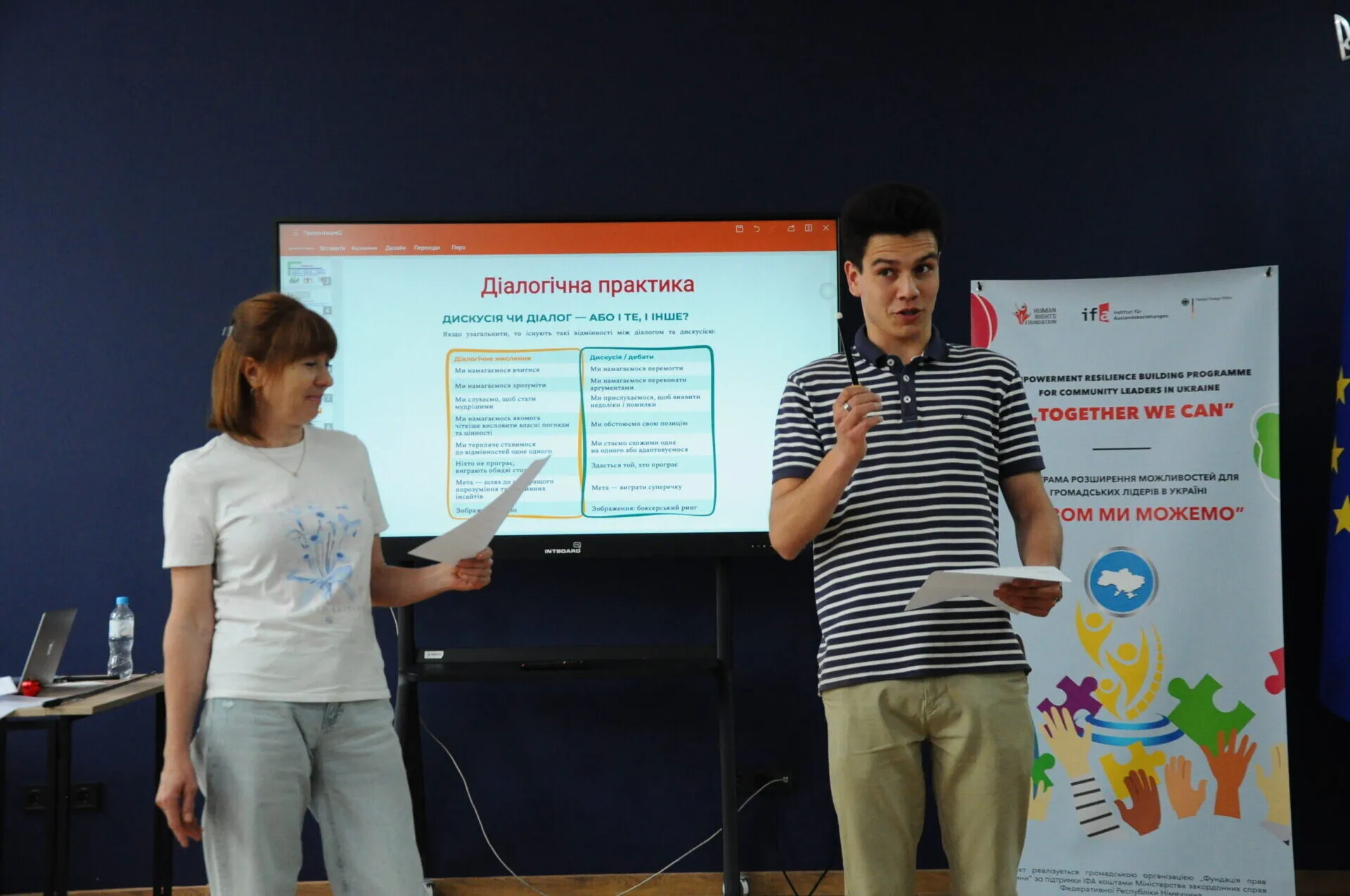
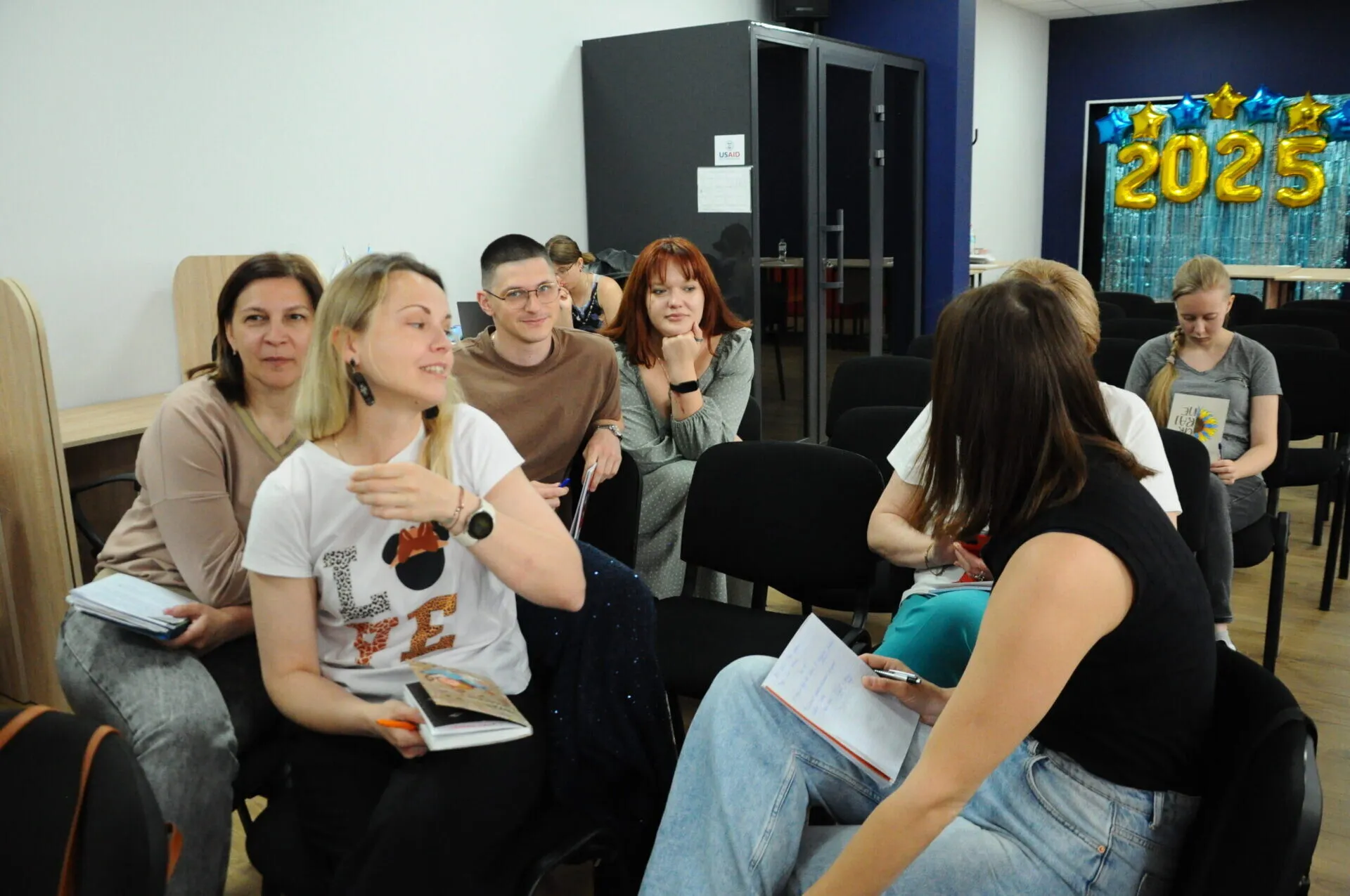
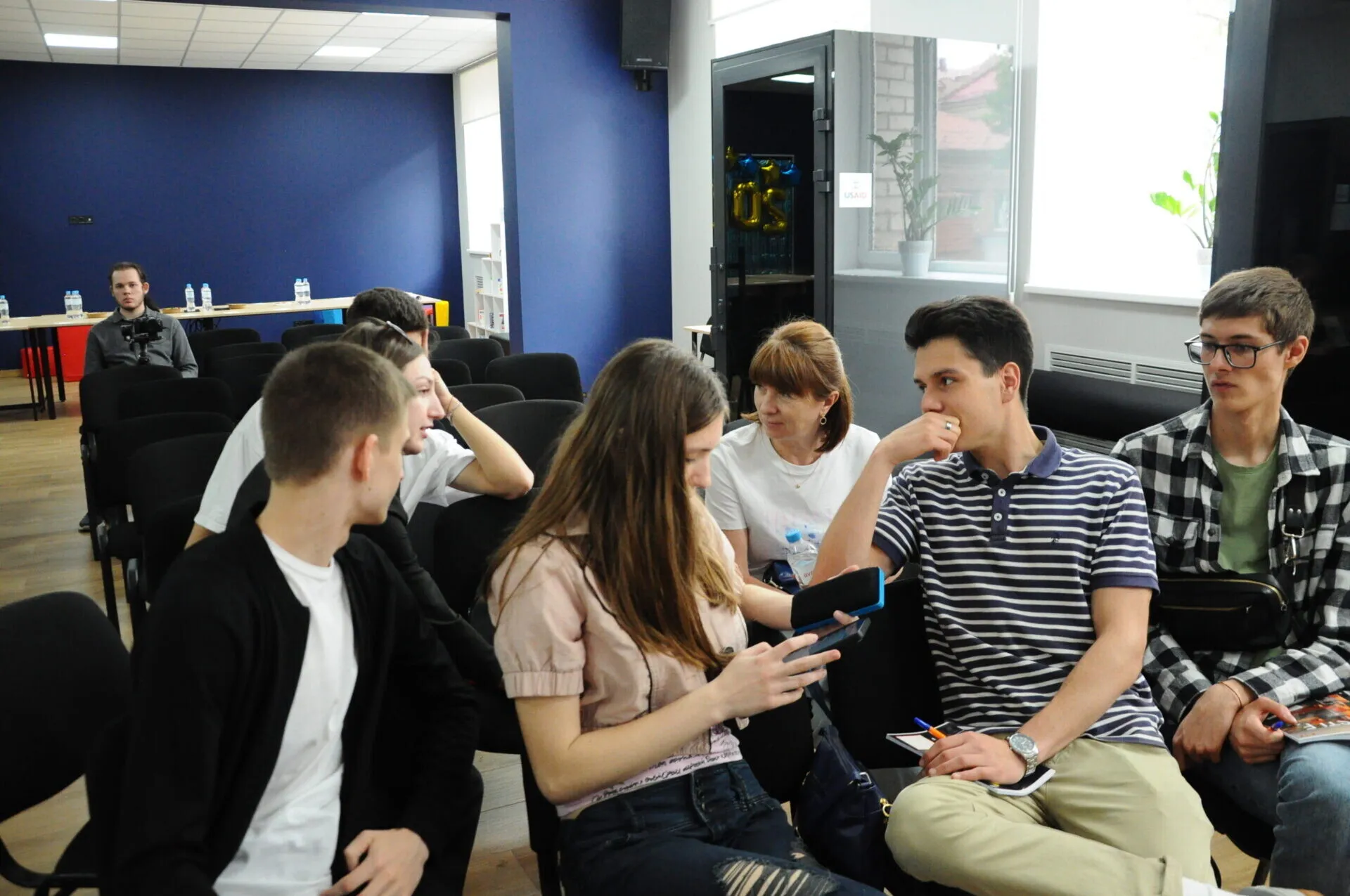
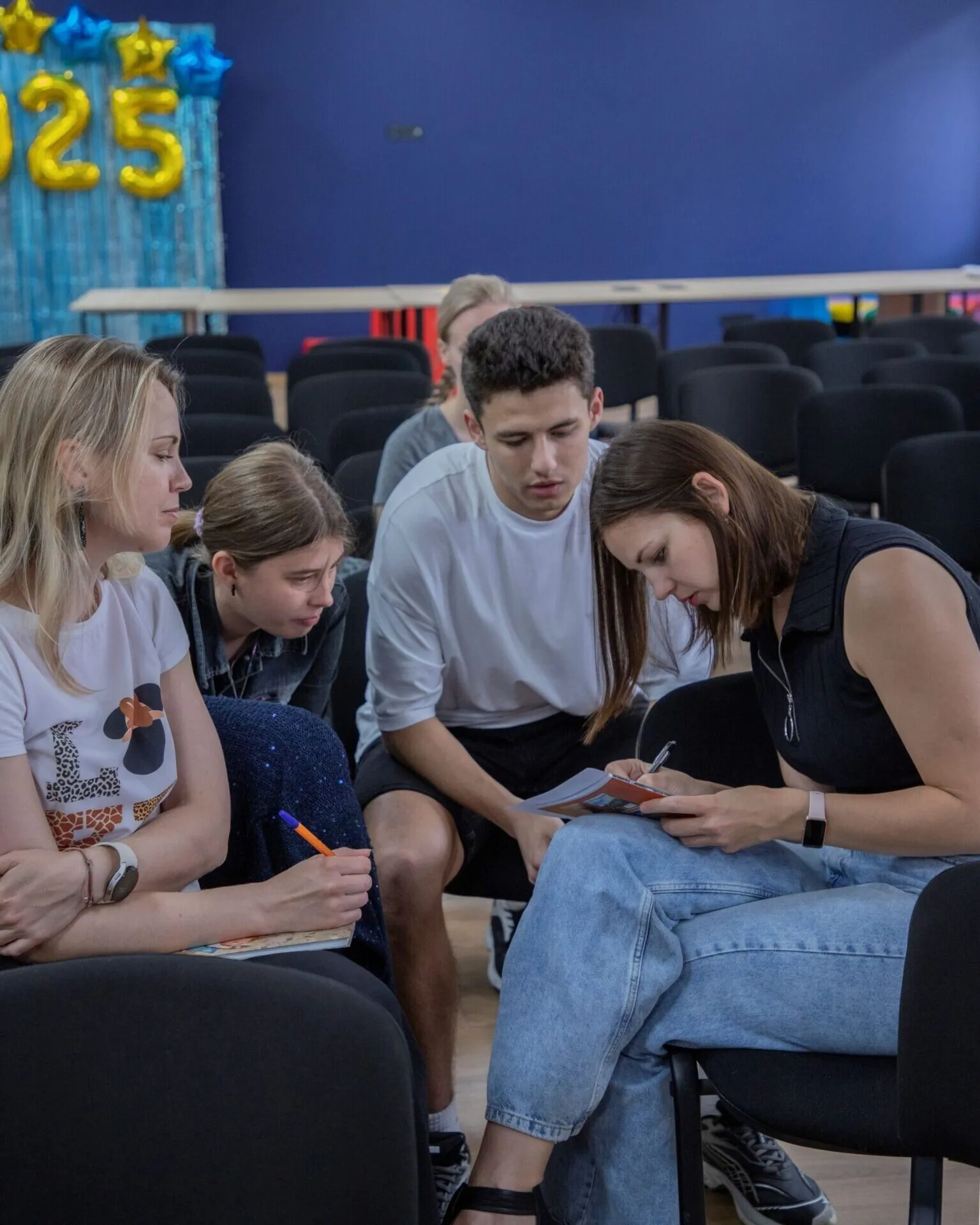
Другий блок пані Тетяна зосередила на теорії діалогічного мислення: продемонструвала різницю між екологічною комунікацією та конфліктом. Також студенти працювали у командах над завданнями для опанування культури діалогу, які спонукали до формування аргументованого типу комунікації.
Під час третього блоку учасники вчилися розрізняти емоції не лише за атмосферою, а й за мовою тіла співрозмовника. Комплекс інтерактивних вправ дозволив учасникам зрозуміти, що тіло й розум людини — частини однієї системи, тому фізичний та емоційний стан тісно взаємопов’язані, а емоції впливають на ефективність та результативність діалогу.
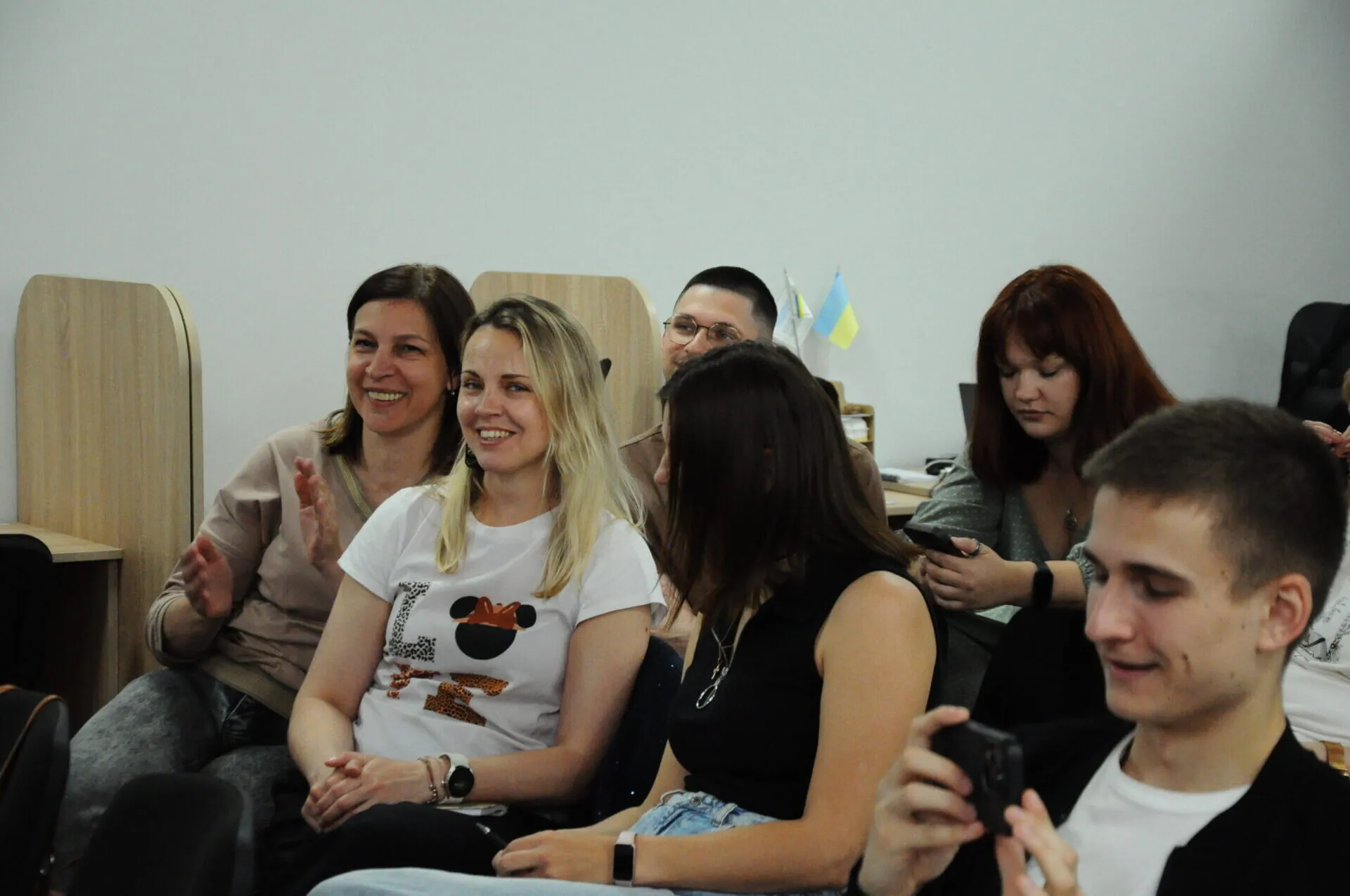
Протягом тренінгу спікерка спонукала учасників до активного діалогу та ставила головне питання заходу «Хто ти?». Воно мало сформувати в студентів поняття про себе та свої цінності, які є засадами емоційного інтелекту людини.
Працюємо разом — розвиваємось разом!