Touring Chernobyl: Associate Professor of the Department of Marketing and Logistics Tetyana Tikhovska visited the exclusion zone

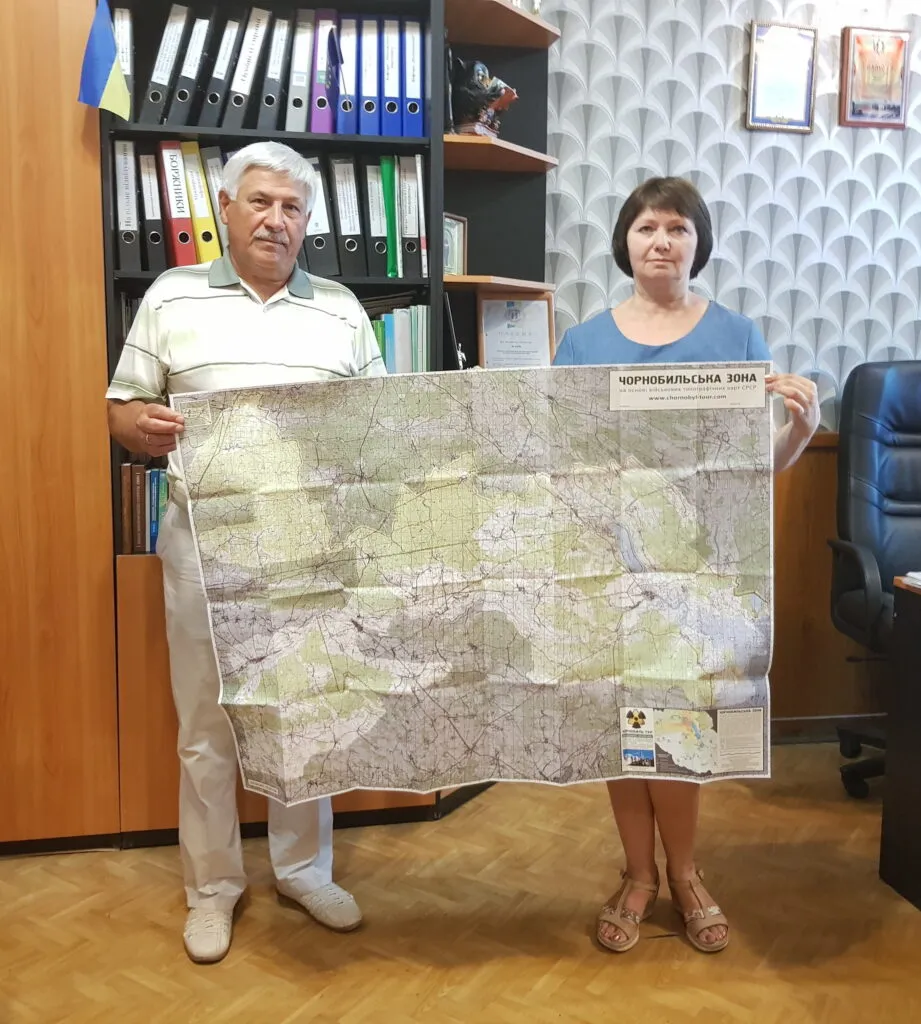
Unfortunately, there is a place in Ukraine that demonstrates all too clearly that labor protection is not an empty sound. This is the Chernobyl NPP. Rather, what is left of her. A few minutes of a dangerous experiment was enough to prevent even an accident – a catastrophe of a global scale. But its devastating consequences did not appear immediately, but gradually, as if in slow motion. On the day when the fourth reactor of the Chernobyl nuclear power plant exploded and the air was filled with radiation, time for the residents of the city of energy workers Pripyat was split in half: «Before» and «After».
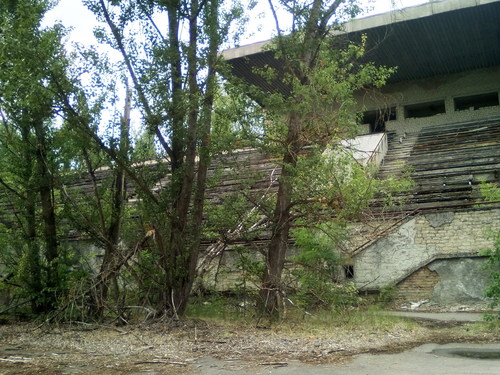
During the «before» era, Pripyat can be considered a model of an ideal Soviet city. Everything was here – nightclubs, swimming pools, a cinema and a football stadium. Even one out of four in the entire Soviet Union is a supermarket. The city had an ultra-modern look. And many years later, in the «AFTER» days, plants grow in the cracks of streets, highways, and sidewalks. The houses look indifferently at the empty streets through windows without glass. It is not surprising to meet trees that have sprouted through the second floor.
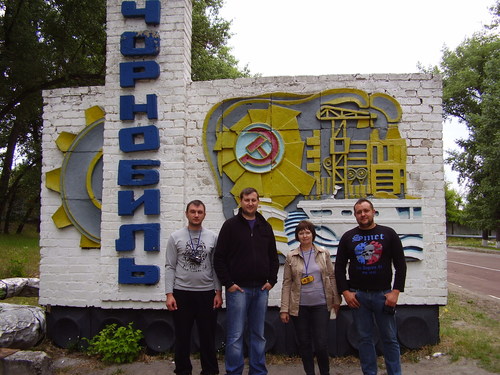
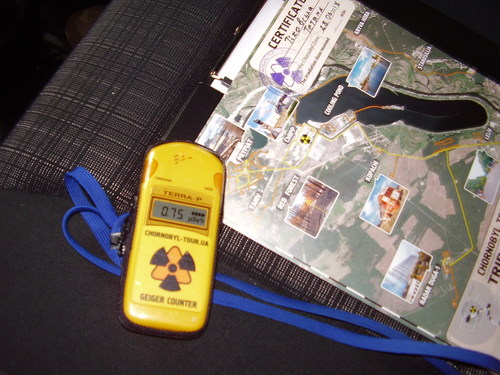
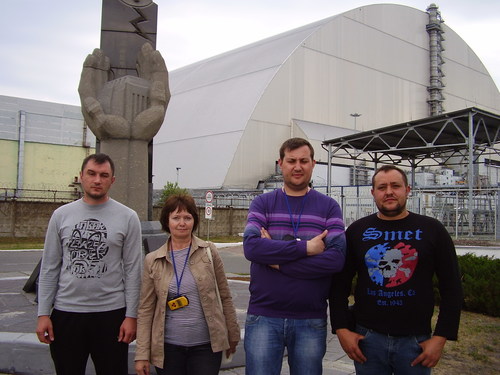
This is how Tetyana Mykolaivna saw the city during her visit to the Chernobyl zone; I saw the red forest with my own eyes – a powerful radiation leak «painted» the area with trees near the Chernobyl NPP in a bright red color, which has remained so for 30 years; made sure that the radiation in the ghost town is still significantly higher than the norm.
But work in the exclusion zone continues. The paths in the zone are perfectly level, without a single pothole. This is in order not to scatter radioactive waste that is transported in trucks for research or storage. Finally, the construction of a new shelter with the inexplicable name «confinement» was completed, which covered the old sarcophagus.
Three dozen years have passed since the accident at the Chernobyl nuclear power plant. Its causes have not yet been definitively identified. Now it is not so important which of the many versions of reasons is correct. The main thing is what lessons we learned from it. And for us, the residents of Zaporizhzhia, this is especially relevant, because only 50 kilometers in a straight line, near Energodar, is the largest nuclear power plant in Europe. It is called Zaporizhzhia. And although all six reactors of the VVER (water-water power reactor) type plant are much safer than the RBMK (high-capacity channel power reactor) that once worked in Chernobyl, the operation of any nuclear power plant is accompanied by serious environmental risks. Safety measures and protection of the population from radiation have not changed significantly, it is only necessary to follow them, not to neglect, not to ignore the advice of labor protection and civil defense specialists. So the deadly danger of an uncontrolled atom can be contrasted with reason, cold calculation and discipline.
Korolkov Vladyslav Vasyliovych
Dean of the Faculty of Economics and Management