Scientific workshops within the framework of the DFG program «Initiating International Cooperation» at the University of Stuttgart

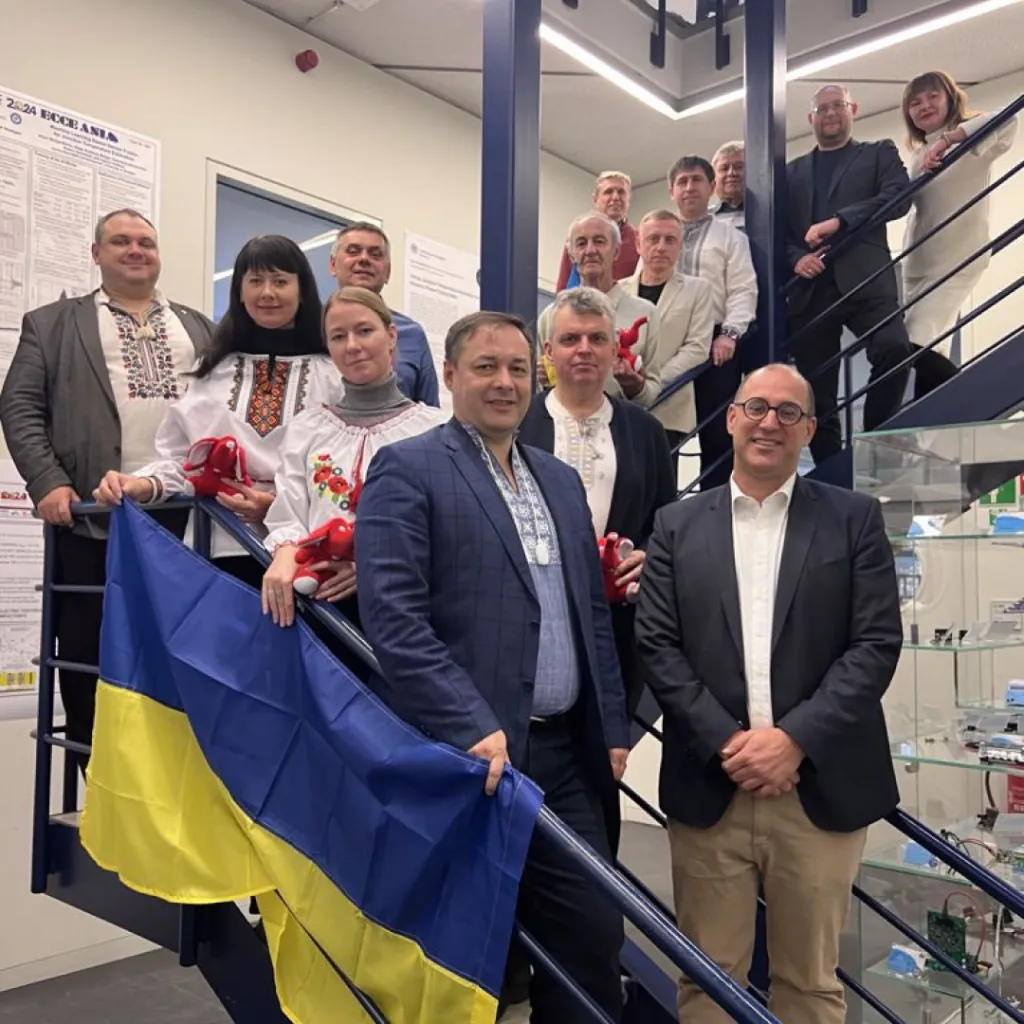
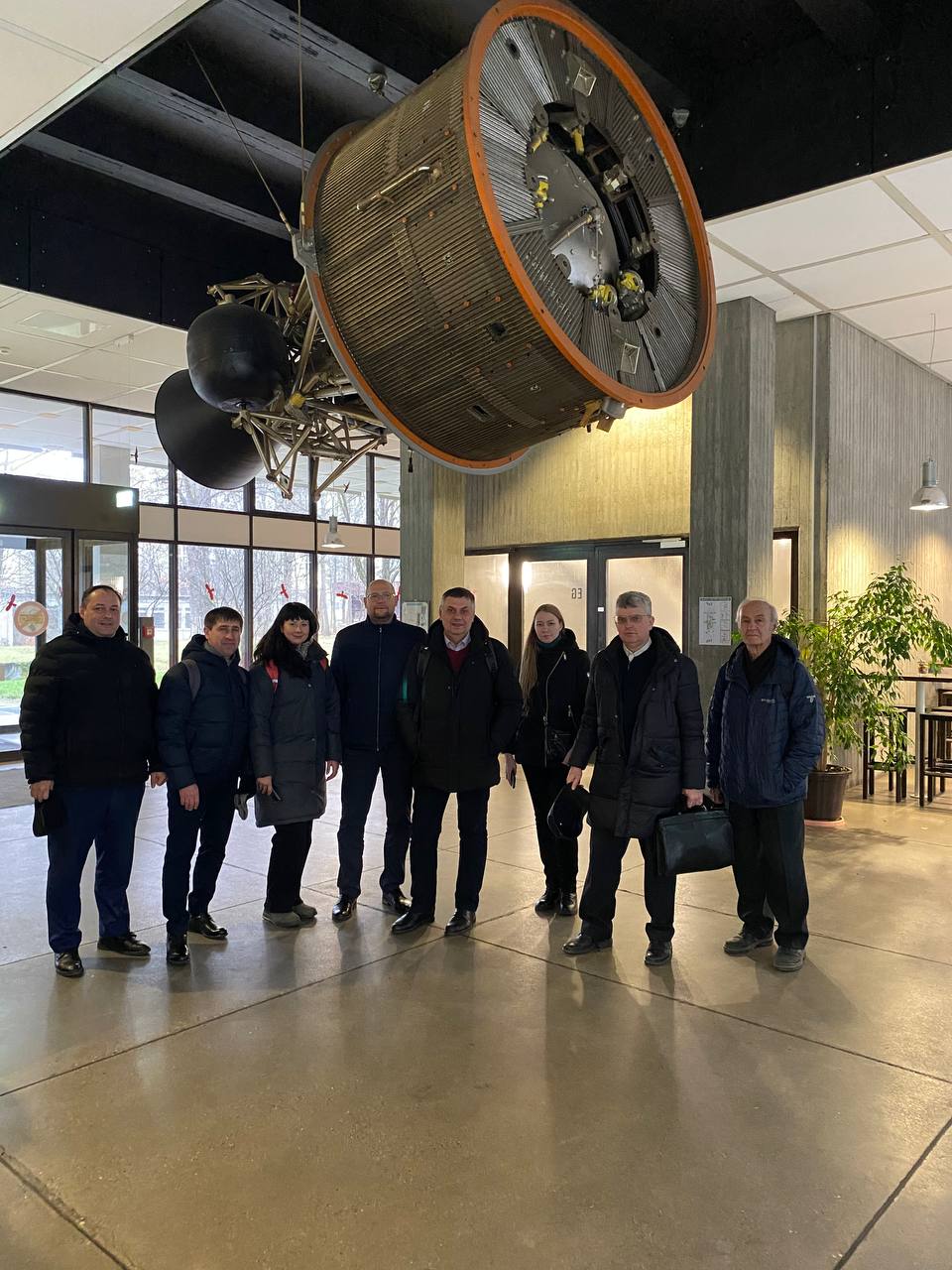
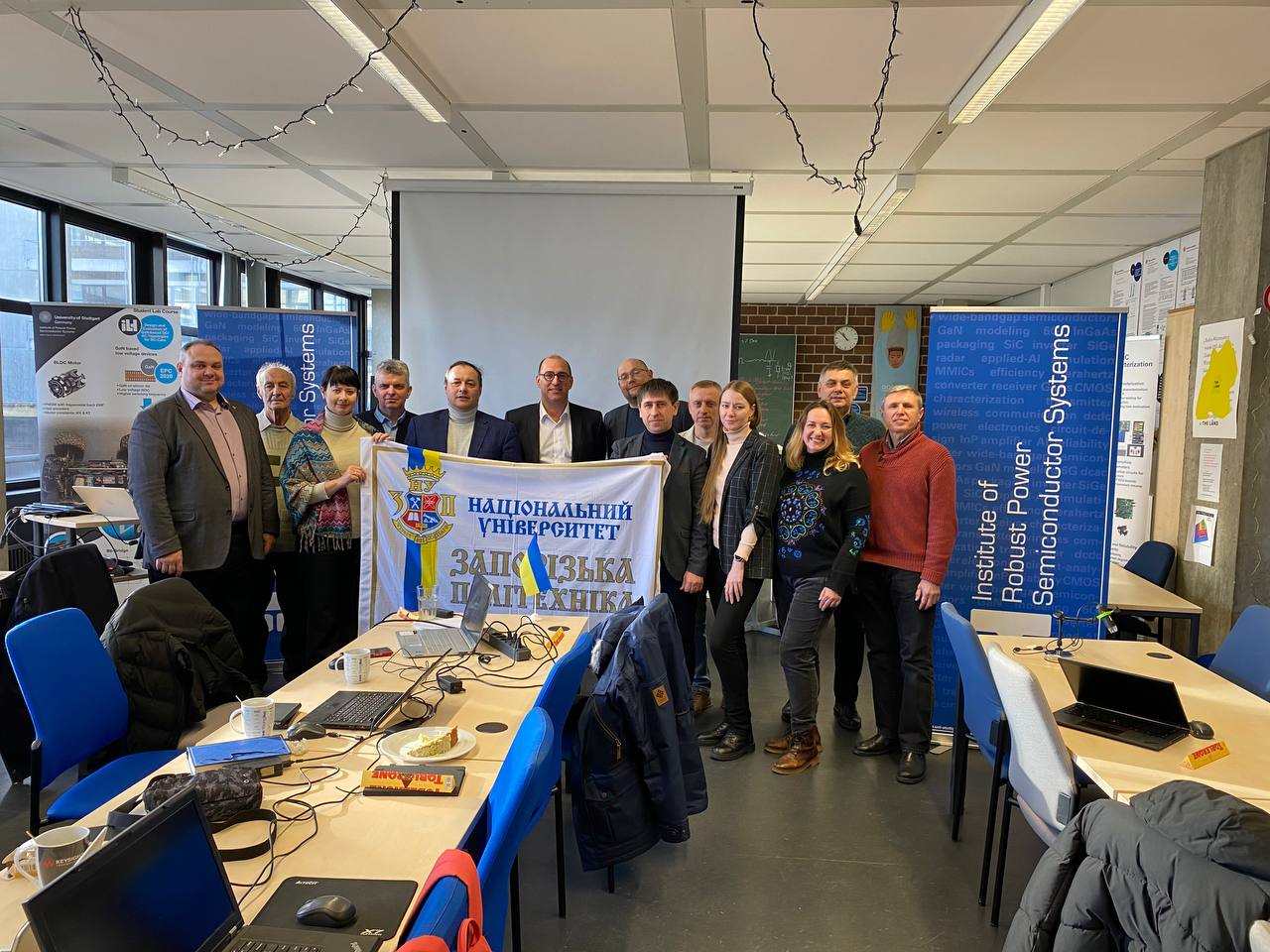
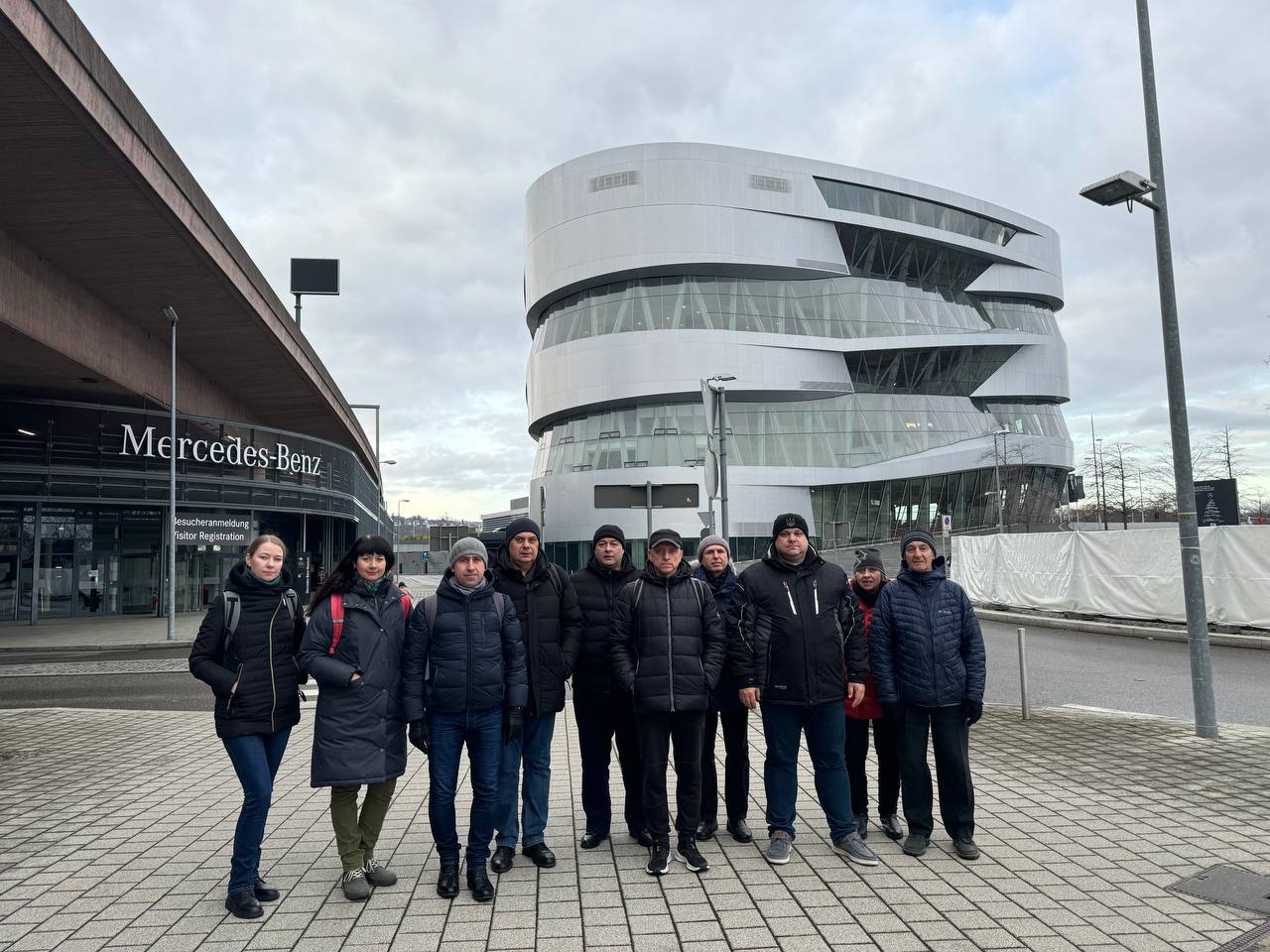
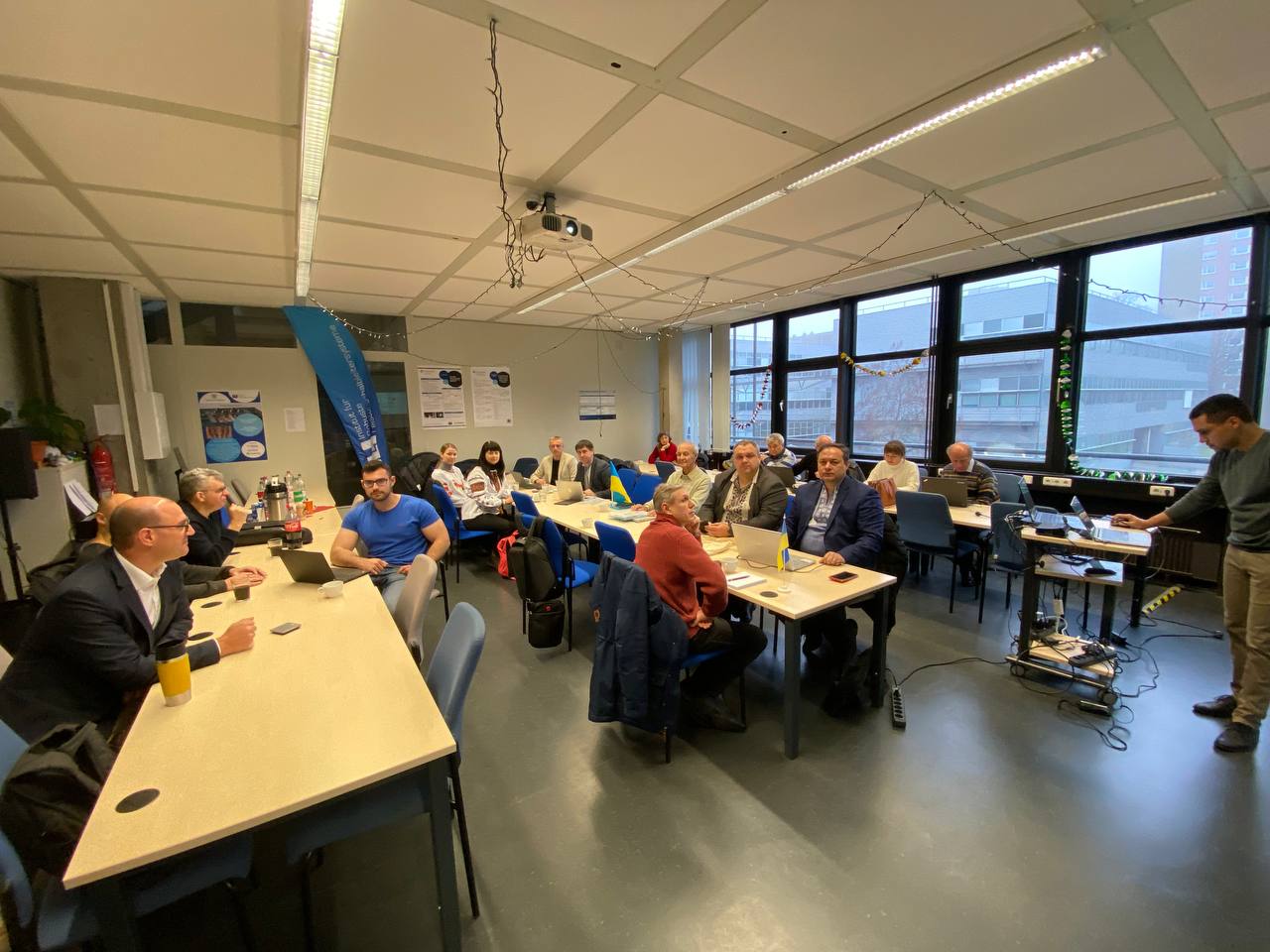
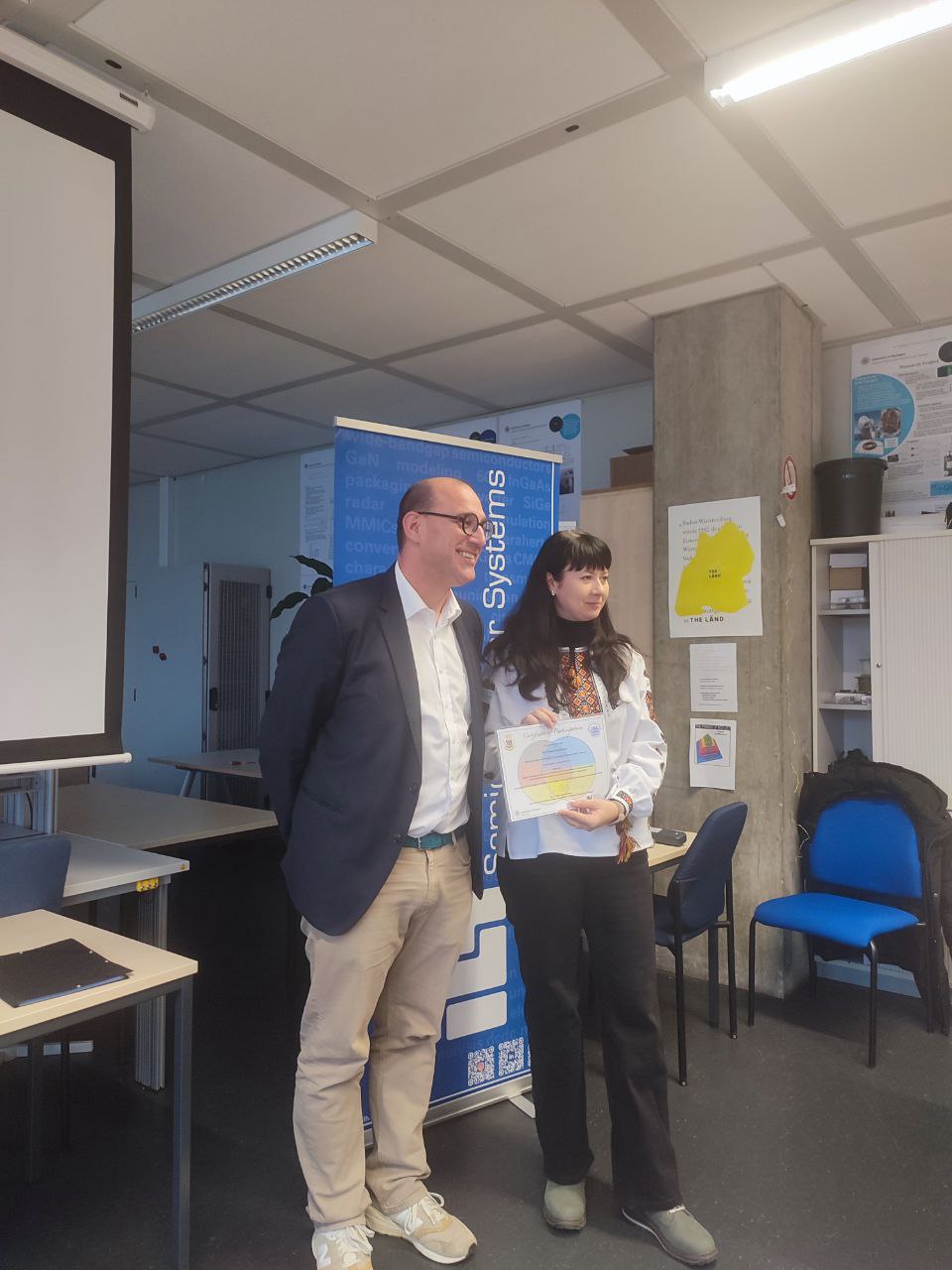
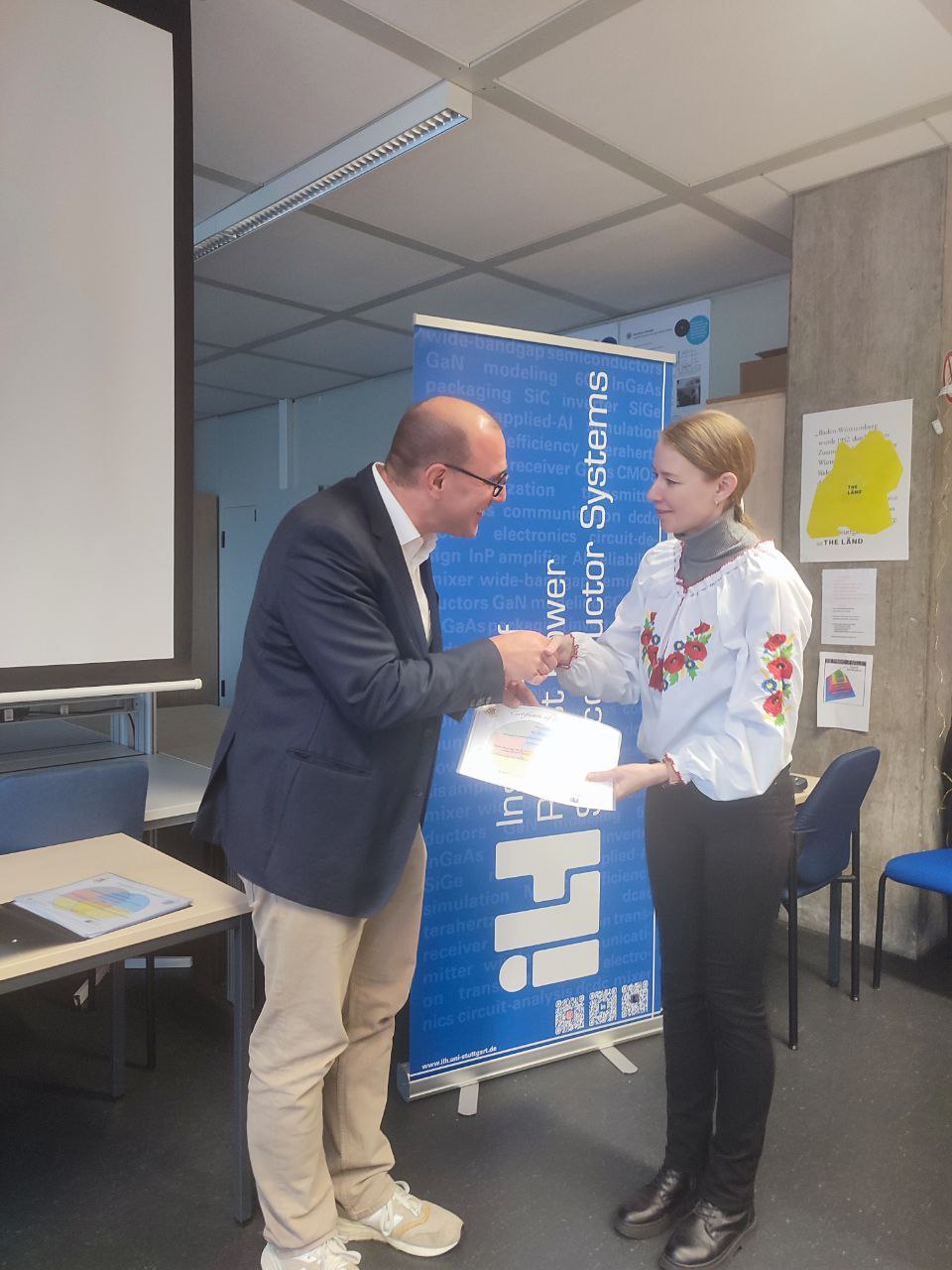
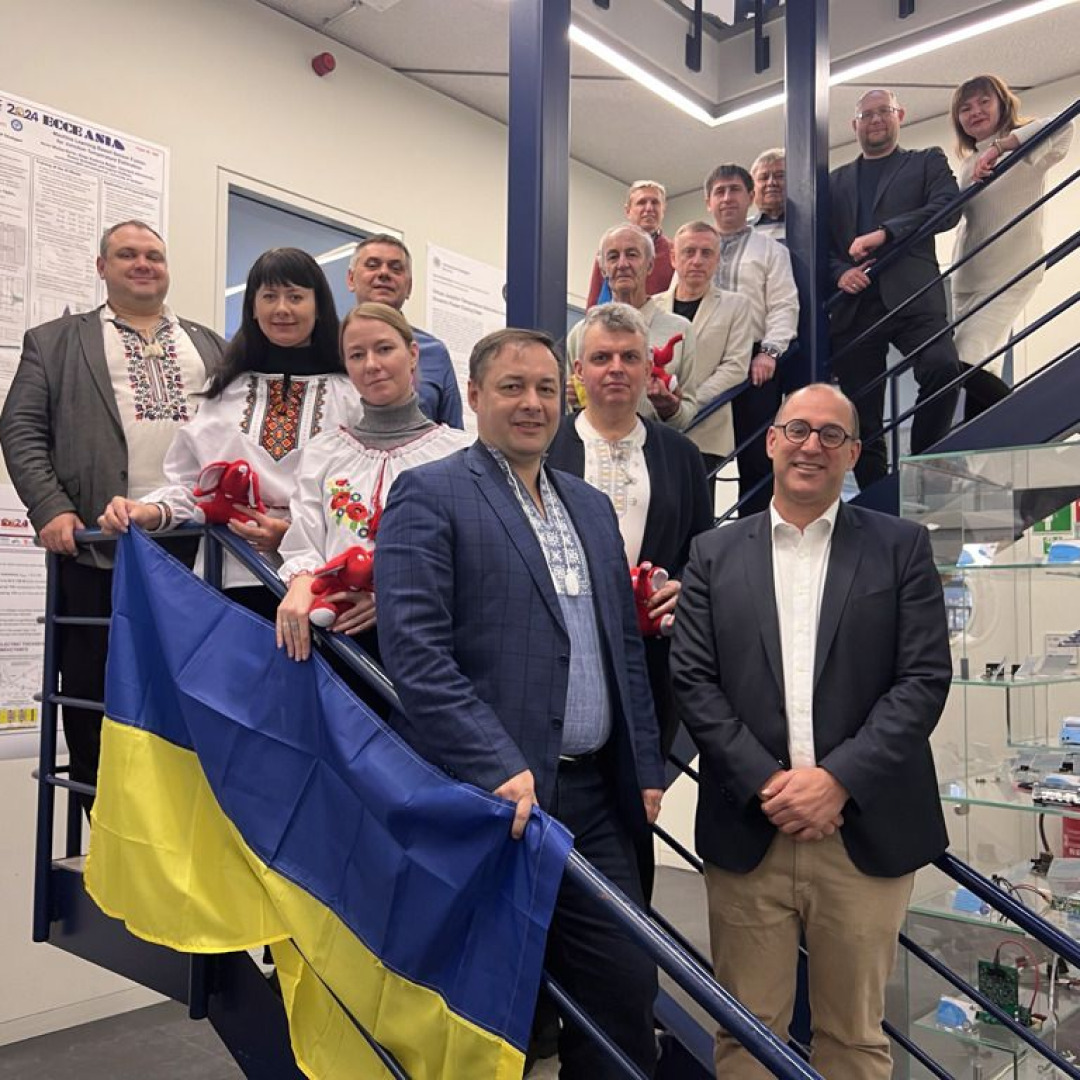
From December 12 to 19, scientific seminars were held within the framework of the DFG program «Initiating International Cooperation» at the University of Stuttgart.
Stuttgart University has 21,500 students studying at 10 faculties, 270 professors, 3,300 teachers, and 1,850 non-academic employees. It is one of the leading technical universities in Germany and around the world, consistently in the TOP-3 German universities in terms of external funding. The university is famous for its cooperation with a large number of non-university research institutions. It includes 6 joint research centers and 2 clusters of excellence. The university conducts the educational process in 62 bachelor’s and 100 master’s programs.
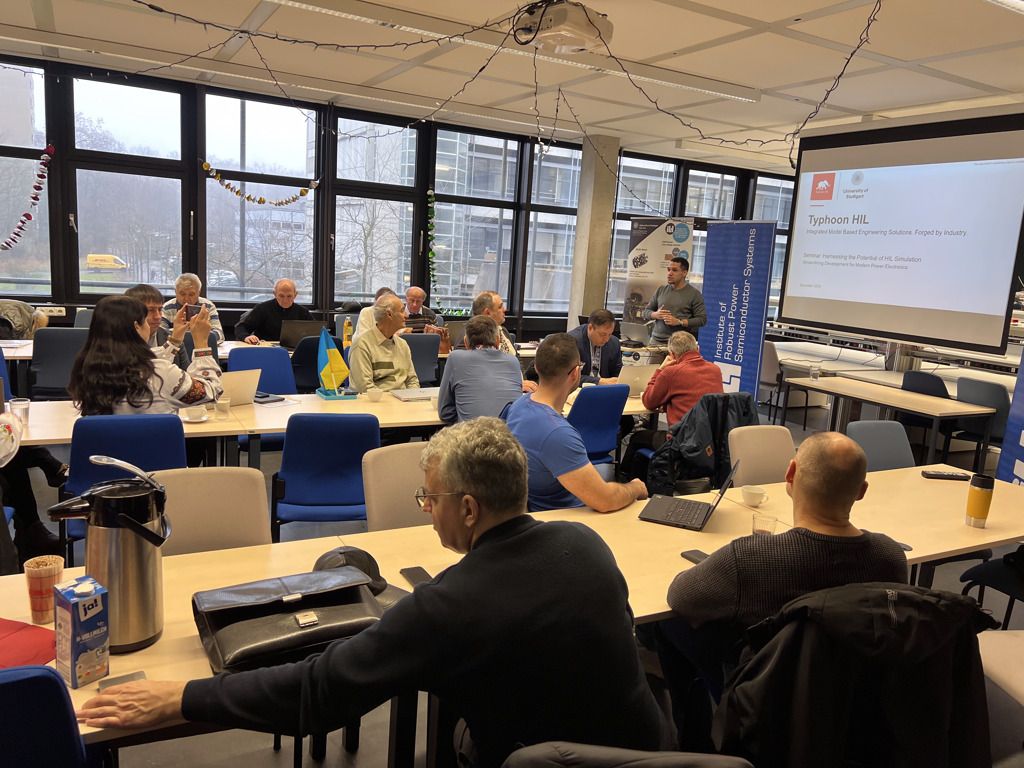
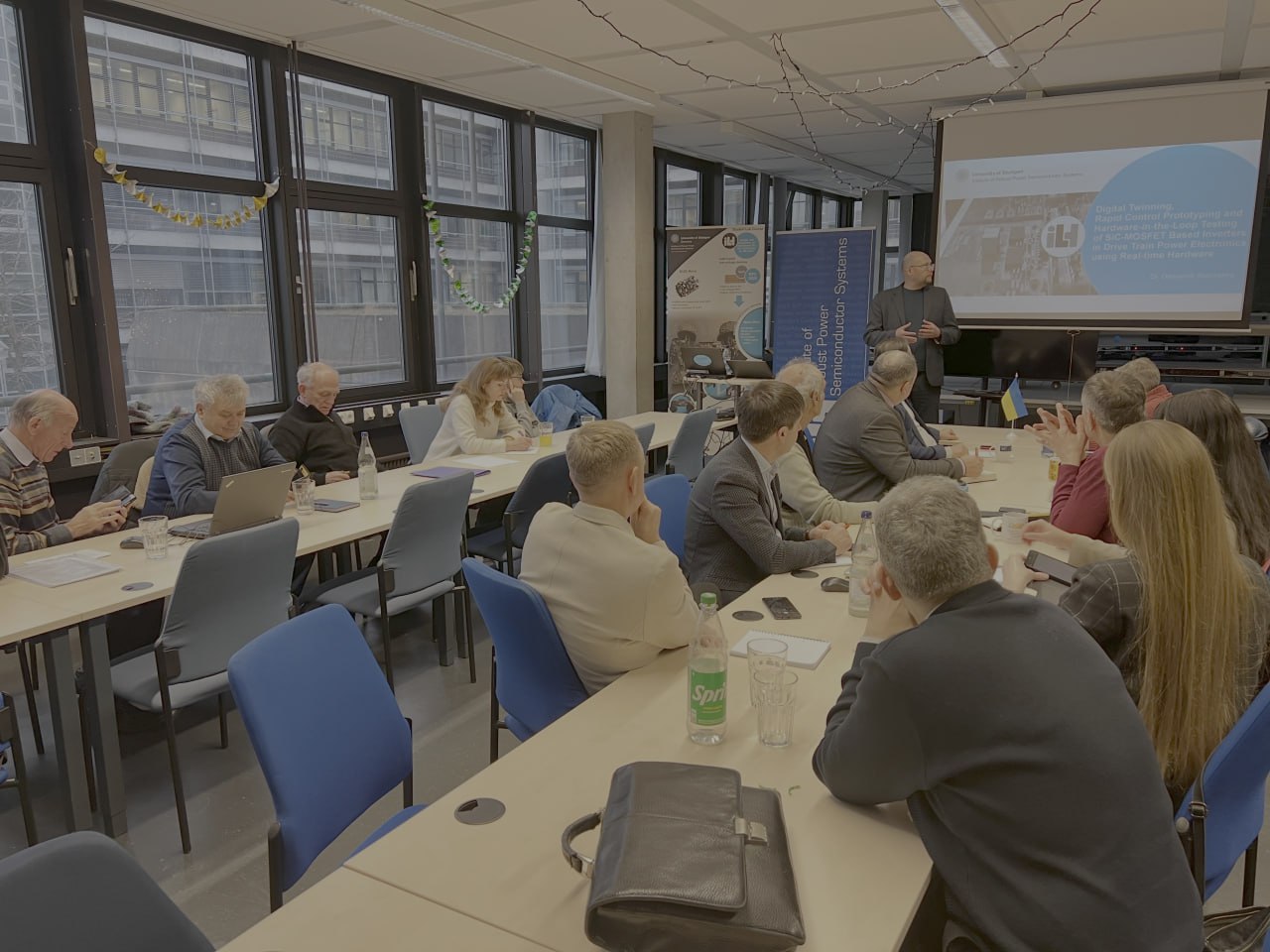
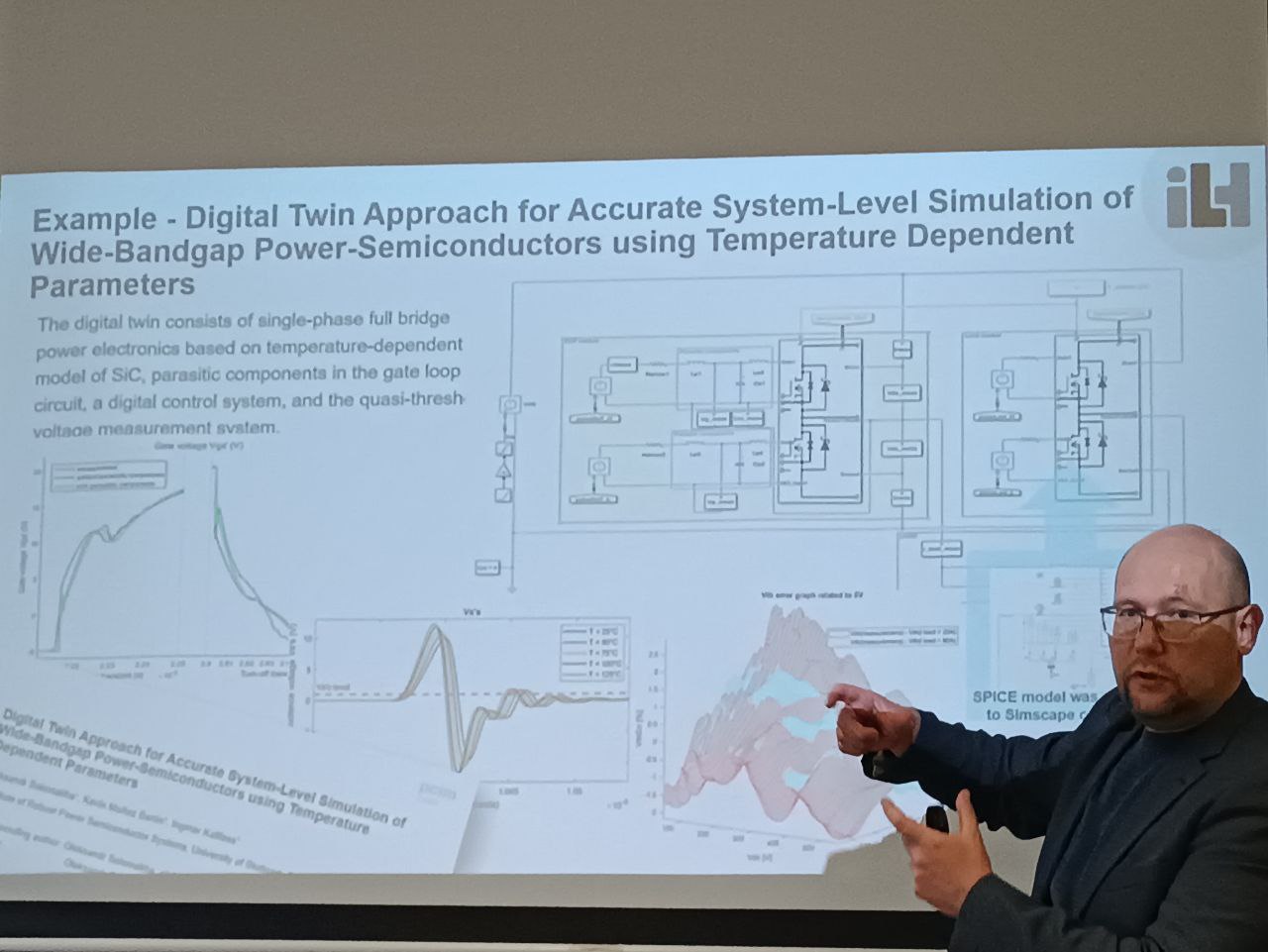
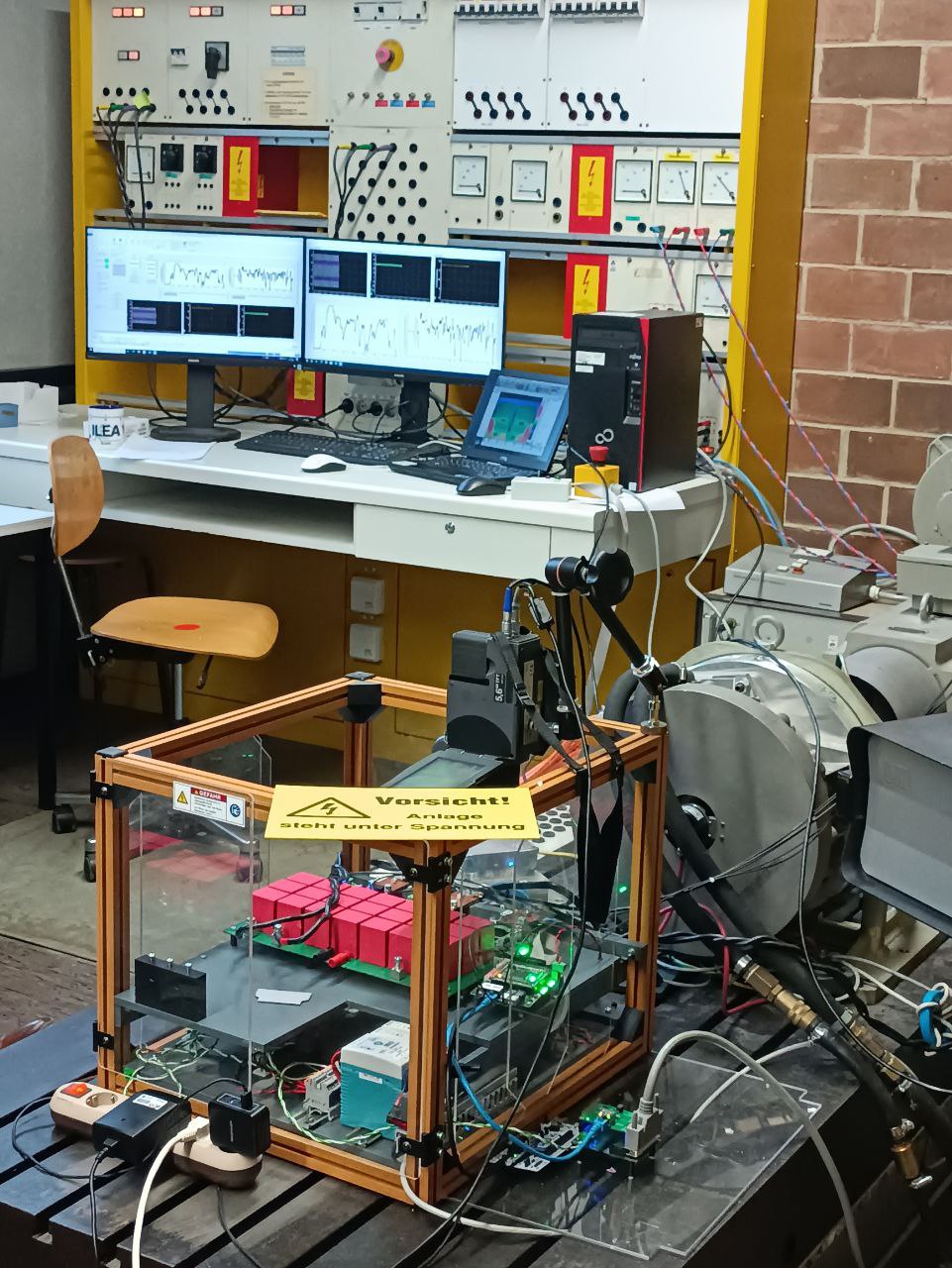
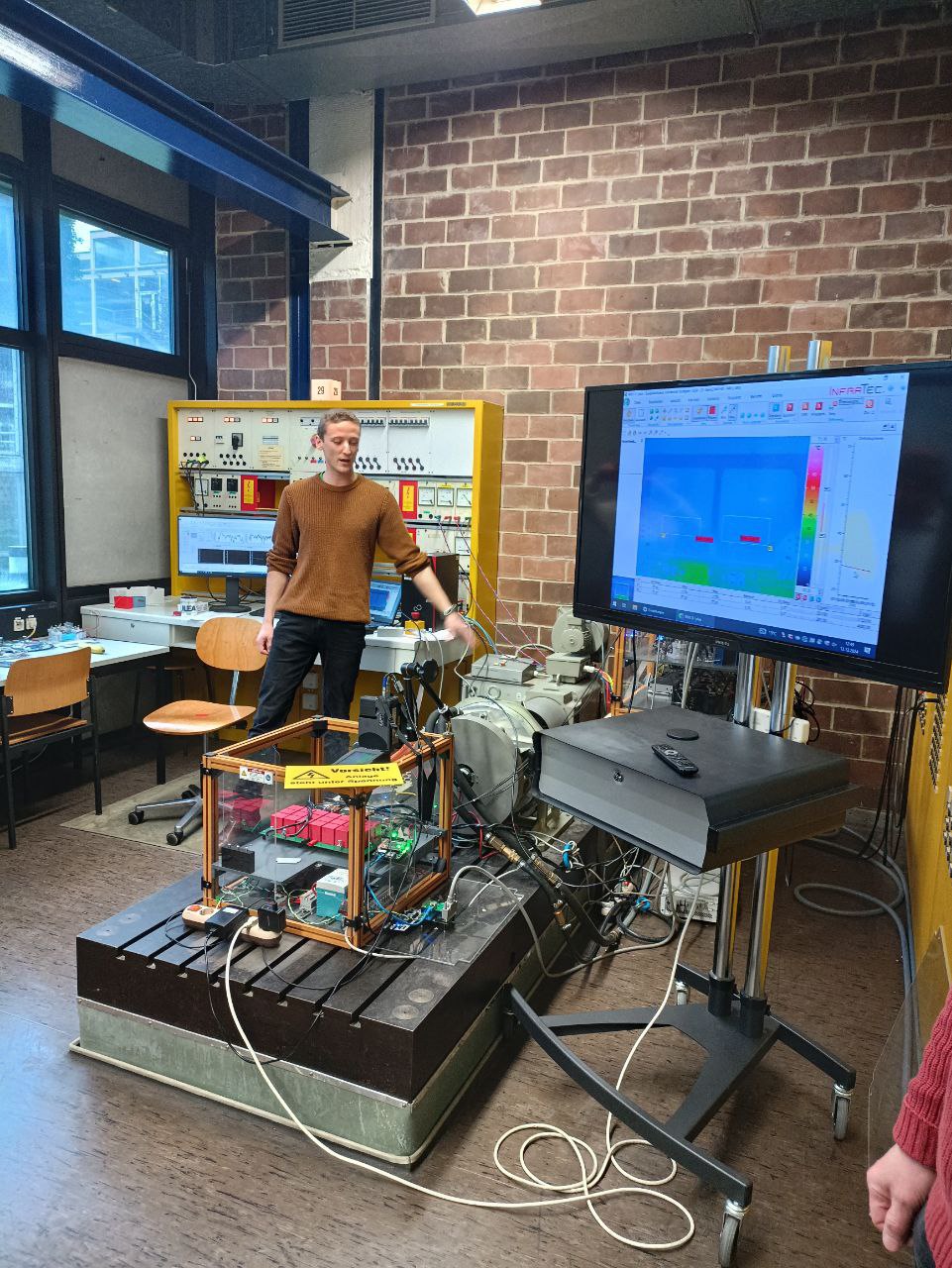
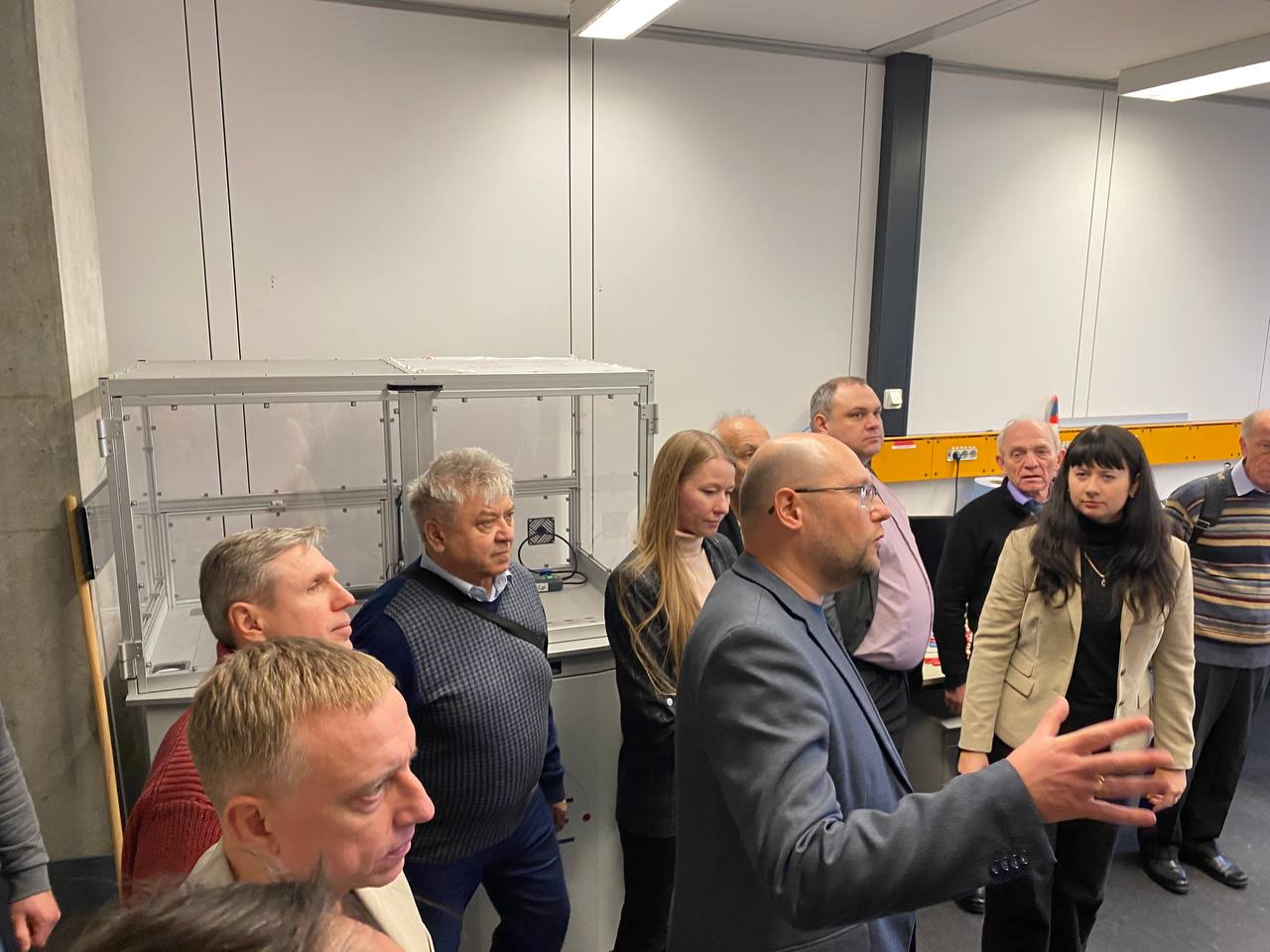
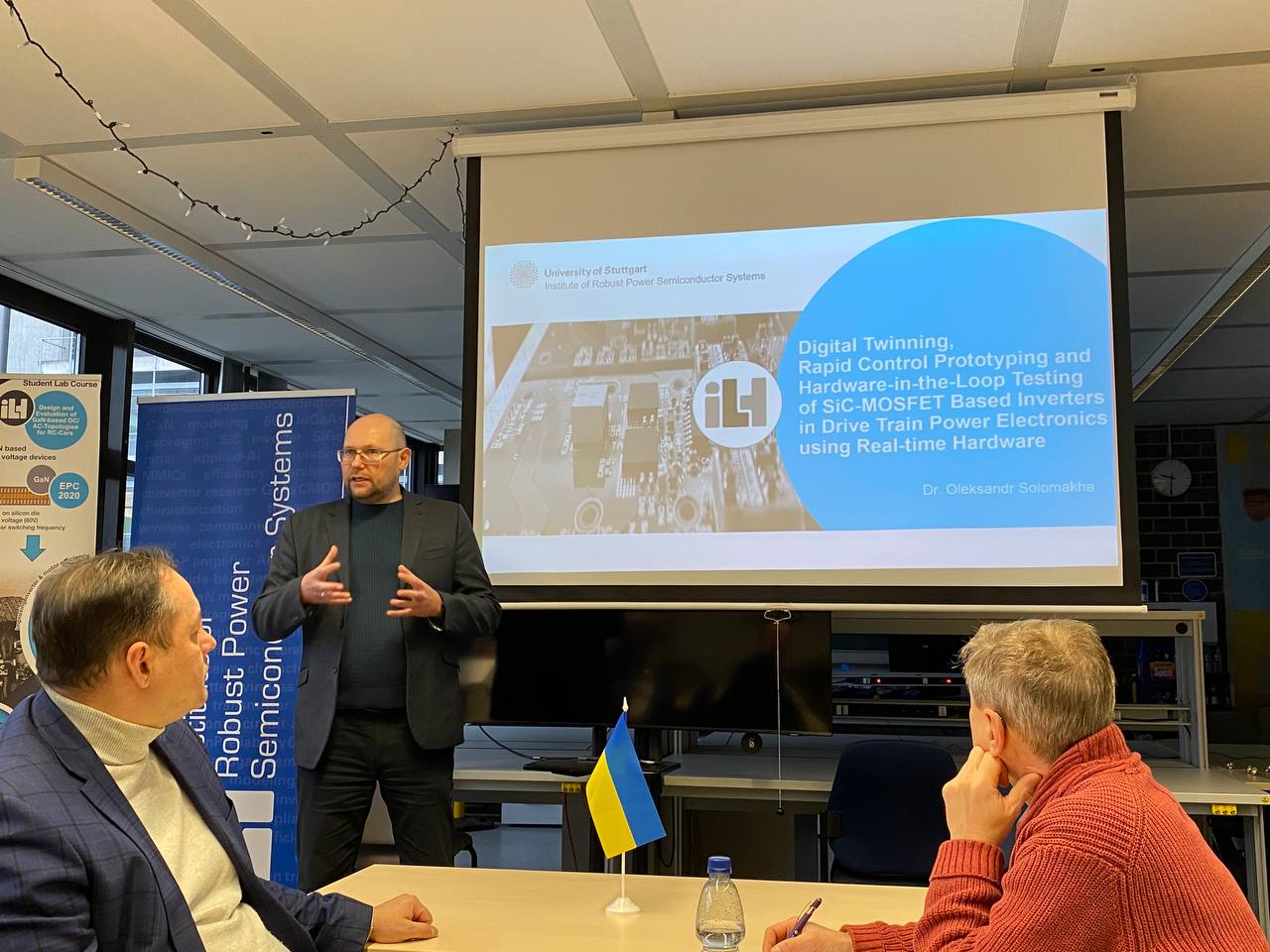
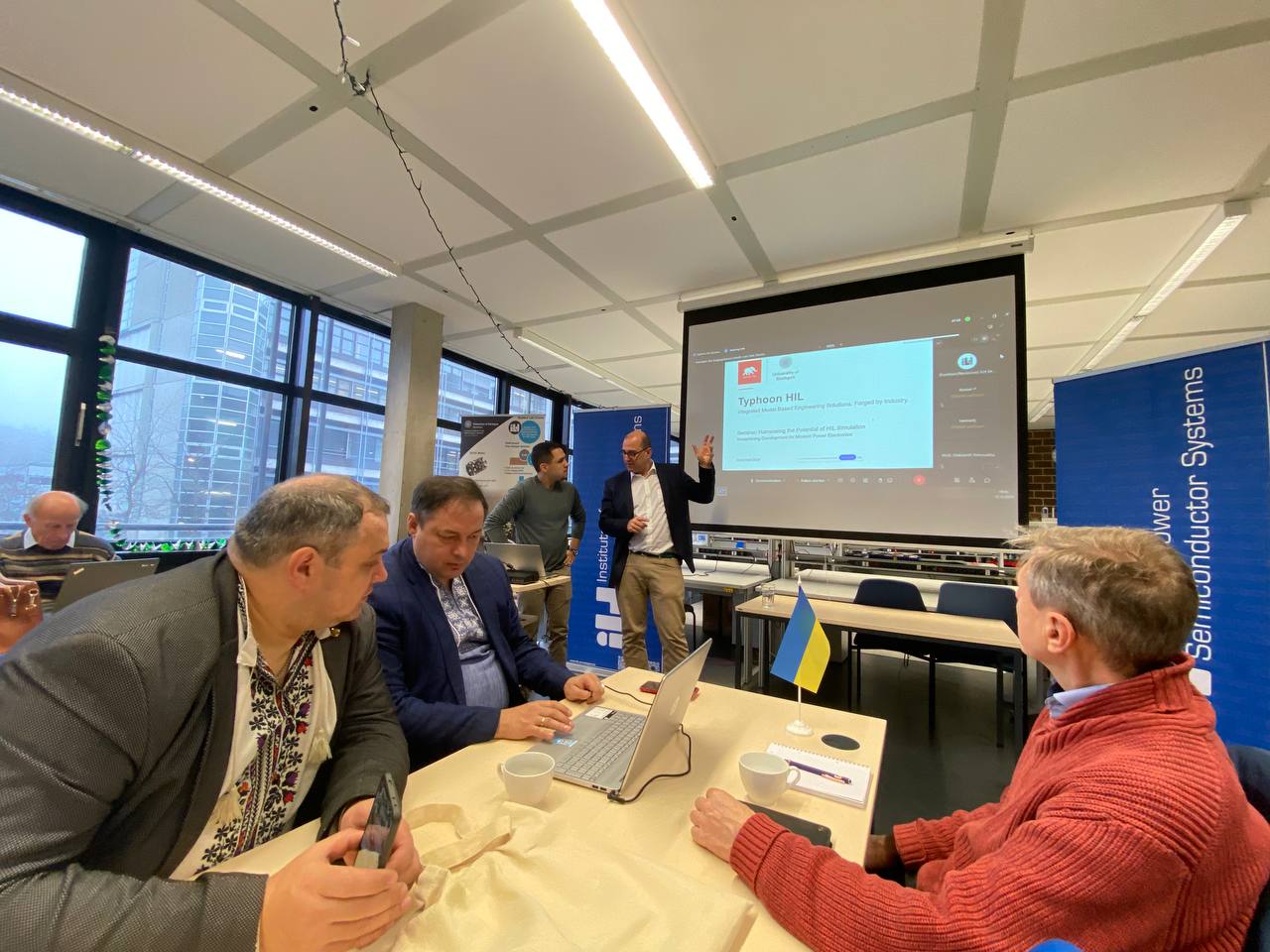
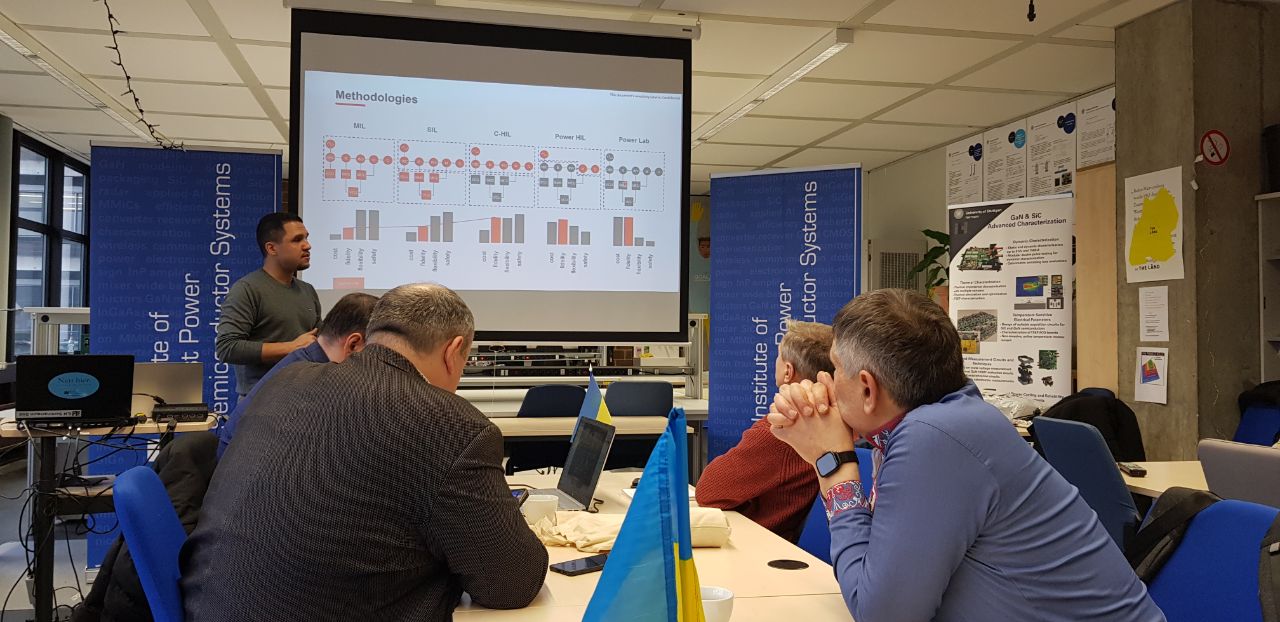
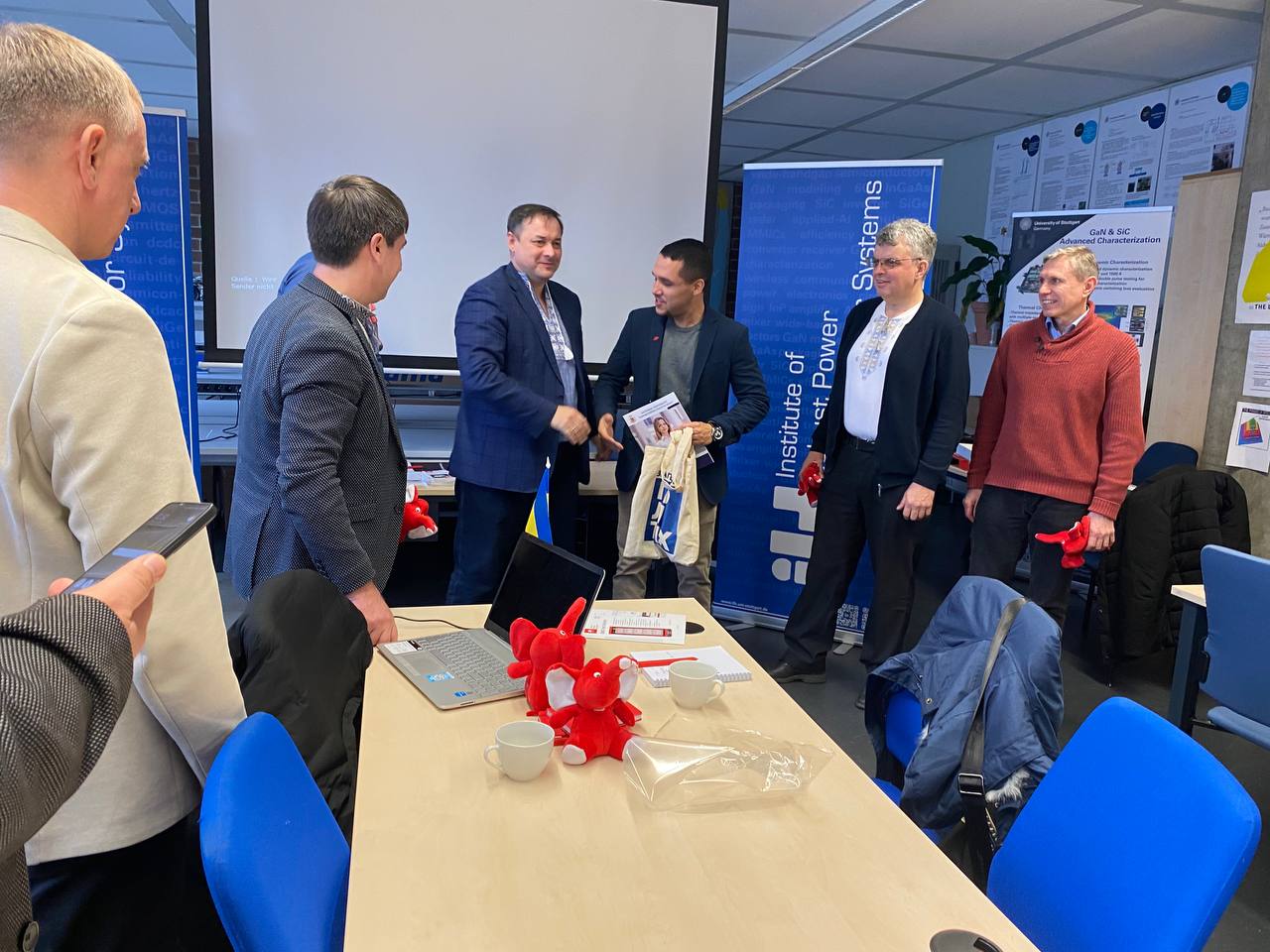
Participants of the event got acquainted with the scientific and educational laboratories of the ILH Institute, listened to presentations by scientists of the Institute.
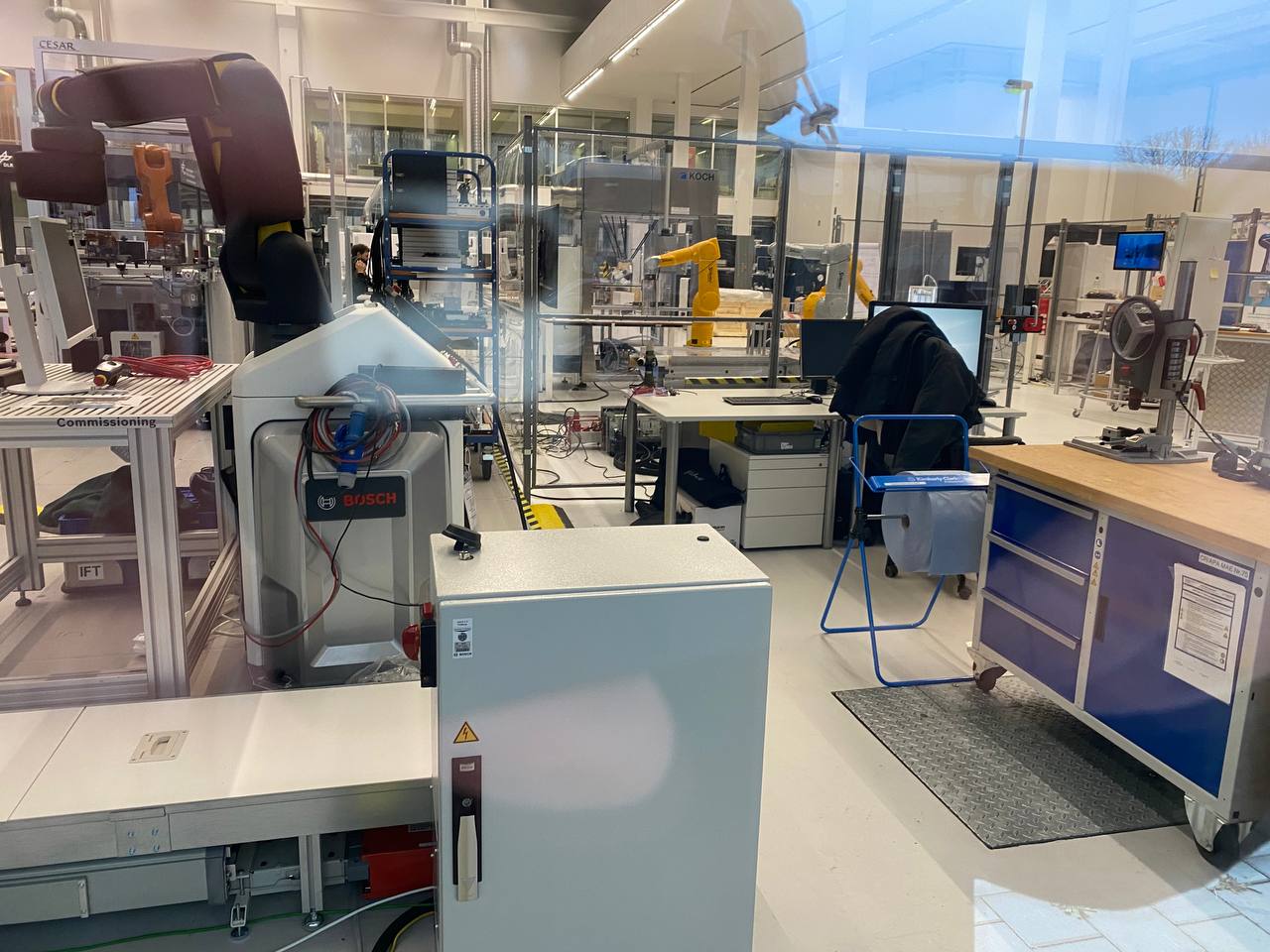
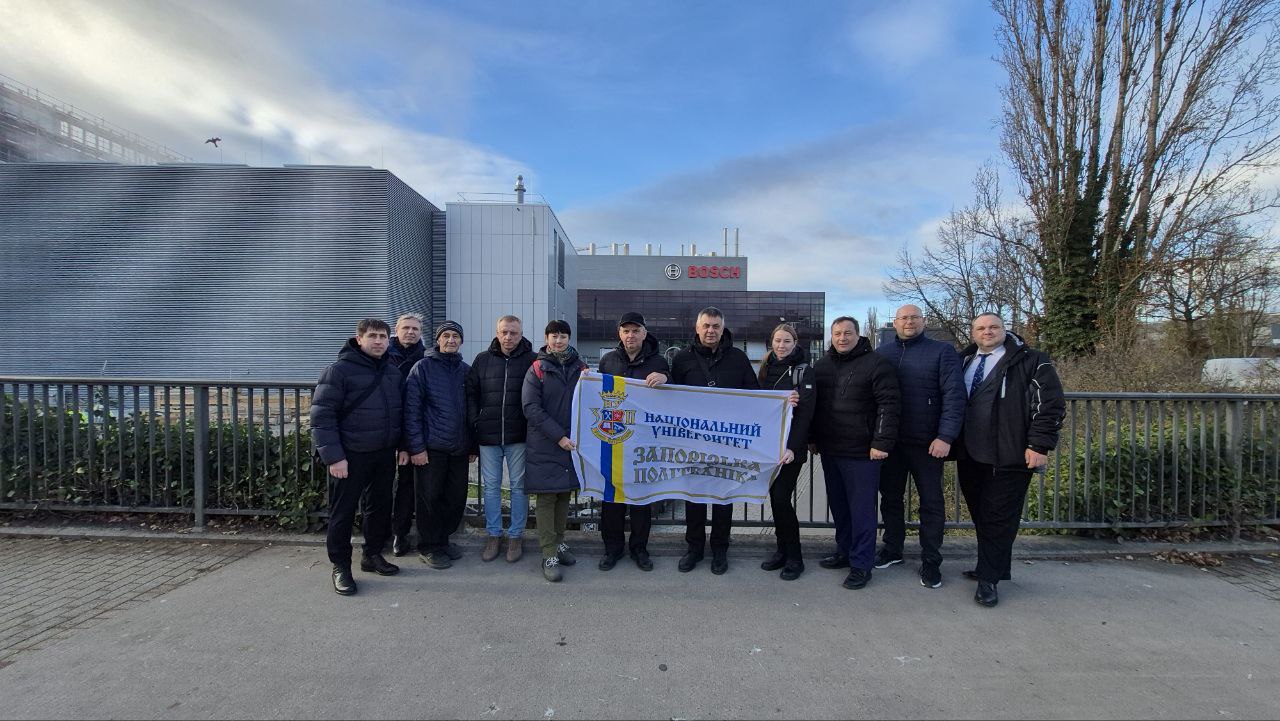
As part of the seminars, the participants visited one of the modern factories of the «Bosch» company, which has more than 60 years of experience in the development and production of semiconductors. Bosch has more than 6,000 employees. The company has external production facilities in Germany and the USA. Bosch designs and manufactures semiconductors and sensors for the automotive industry. Bosch has become a permanent partner of 30 automotive companies around the world. Bosch has announced that it will invest a further €3 billion in its semiconductor business in Europe by 2026 as part of an investment plan. Total investment is expected to exceed €10 billion (capital injection, loans, support from the European Union and the German government). The «Bosch» company is an active stakeholder of the University of Stuttgart.
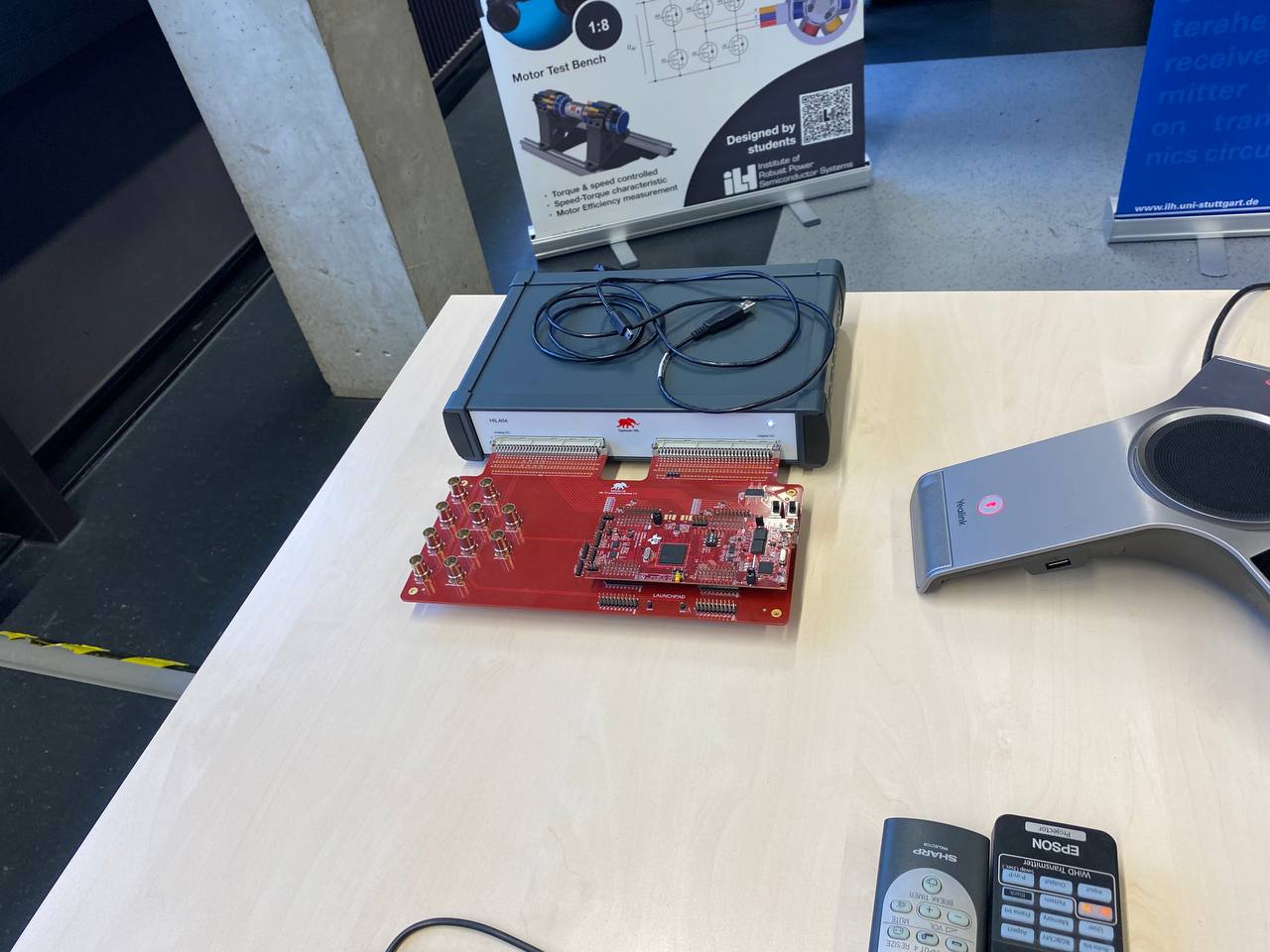
I would especially like to mention the workshop by Typhoon HIL. This company’s equipment is designed with the highest standards in mind to enhance academic research and education. It is an entry-level simulator and a key component of flagship HIL solutions, indispensable for educational research. Typhoon HIL hardware is designed for real-time, accurate hardware simulation in the loop. It provides high-accuracy modeling for digital power technologies and features an intuitive schematic editor and advanced compiler, enabling you to graphically create and effortlessly deploy real-time models in minutes. Its versatile toolbox also supports integration with popular software such as Matlab/Simulink, JMAG-RT, ANSYS and other simulation tools. It provides convenient model import from third-party tools, making Typhoon HIL machines a reliable and adaptable testing environment. Zaporizhzhia Polytechnic National University will receive this equipment free of charge at the beginning of next year.
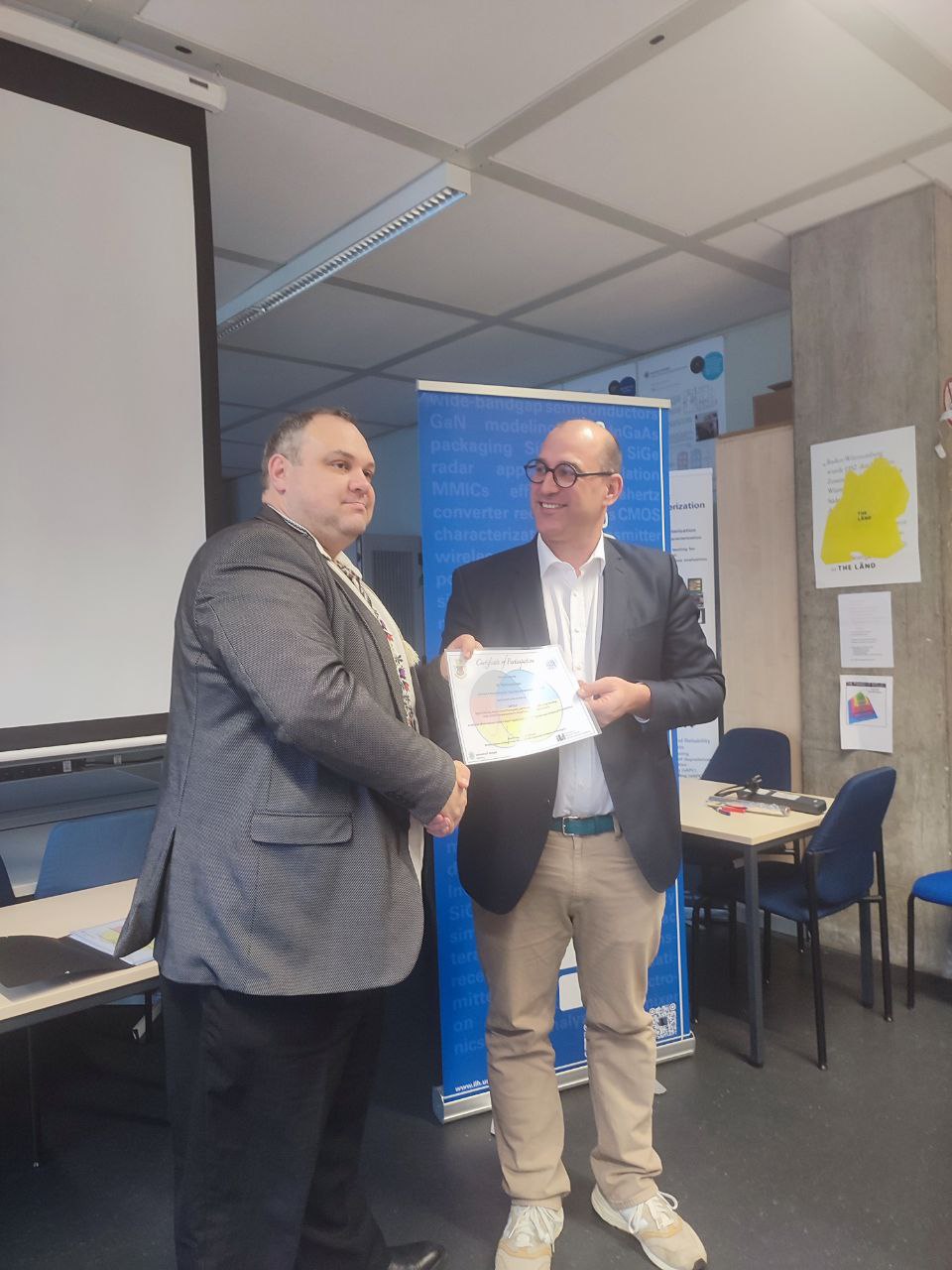
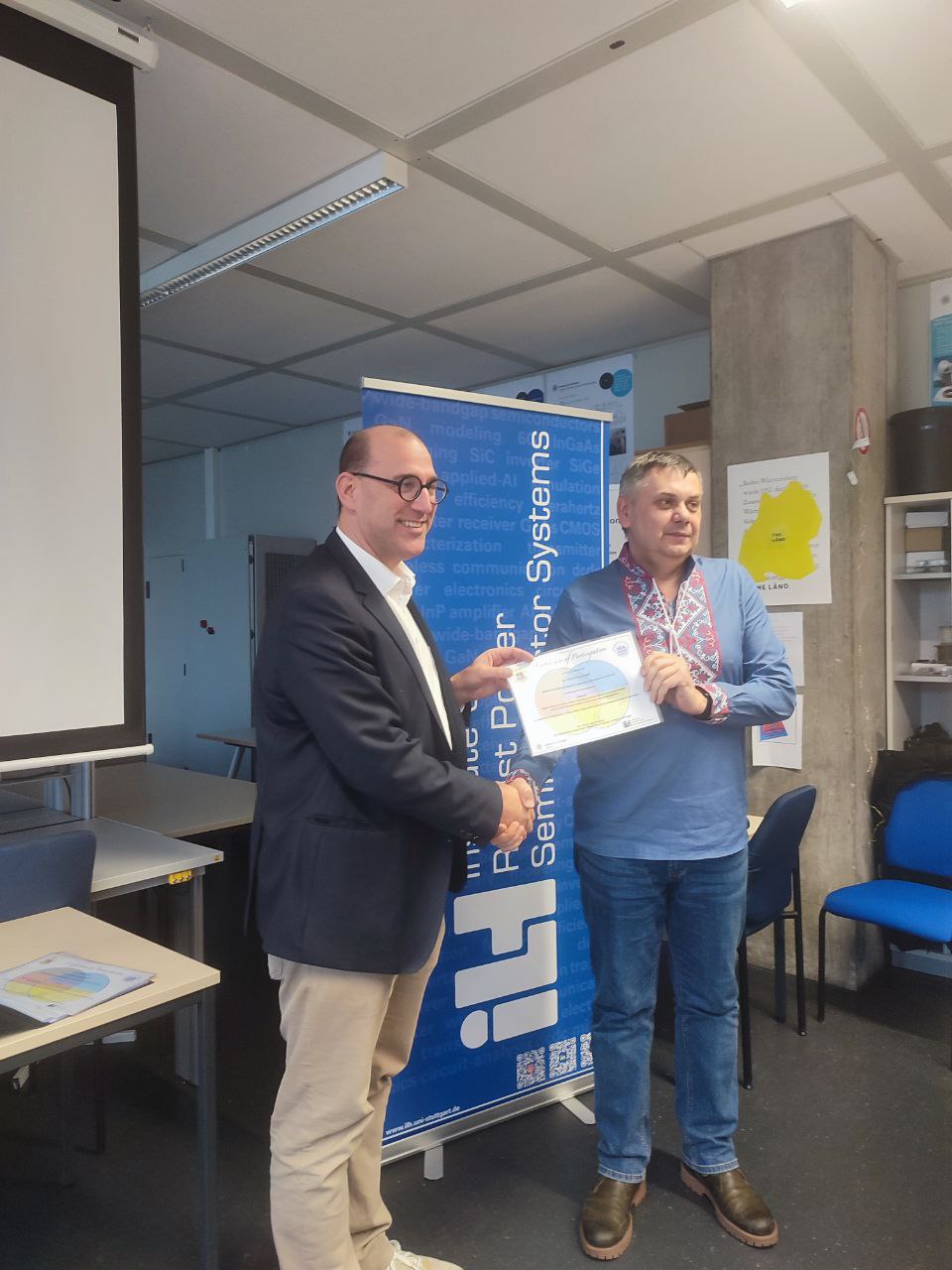
According to the results of the seminars, the scientific and pedagogical staff of Zaporizhzhia Polytechnic joined the working group for the preparation of joint educational events and the initiation of a joint multi-year research proposal for funding within the framework of the DFG program.
Ahead are events for partners on the basis of Zaporizhzhia and Lviv polytechnics, and as a result, a joint grant application.
We work together — we develop together!