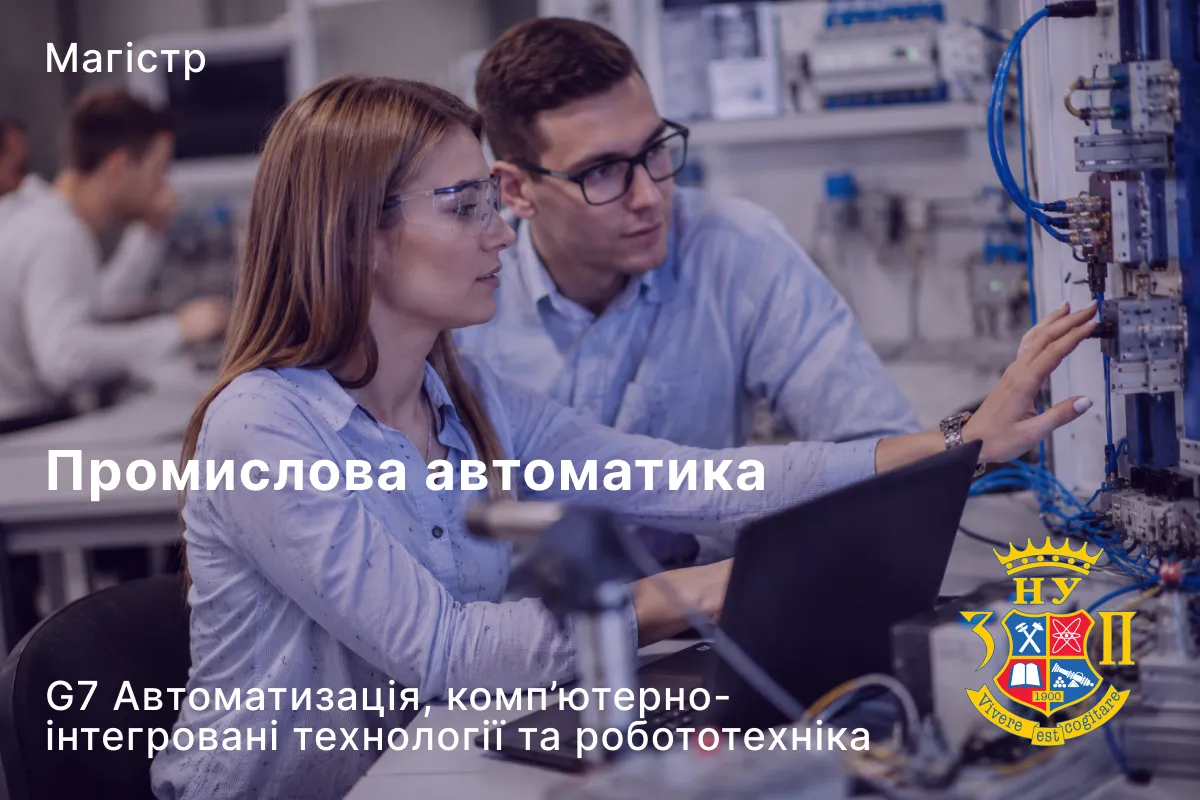
The Master’s level is focused on the formation of highly qualified specialists capable of comprehensively solving scientific and technical problems in the field of industrial automation, computer-integrated technologies and robotics.
Theoretical basis: in-depth study of the theory of automatic control, system analysis, mathematical modeling and methods for identifying complex dynamic systems.
Research orientation: implementation of applied and fundamental research in the field of cyber-physical systems, digital twins, intelligent sensor networks and energy and technological process control systems.
Technological focus: integration of SCADA systems, industrial controllers, microprocessor platforms and power electronics to create multi-level control systems.
International context: taking into account the requirements of IEC, ISO standards and concepts Industry 4.0, which ensures the competitiveness of graduates in the global labor market.
Features of the educational process. Use of modern laboratory facilities (Siemens, Schneider Electric, Festo, Pilz) for modeling and experimental verification of engineering solutions. Involvement of students in scientific projects of the department and partner organizations, participation in international conferences, competitions and grant programs. Formation of an individual educational trajectory, which allows combining studies with research activities and internships at foreign universities and companies.
Graduate competencies. A Master of Industrial Automation is able to: carry out scientifically based design of automation and mechatronics systems; develop control algorithms for complex technological processes using optimization methods and artificial intelligence; integrate renewable energy sources and storage systems into industrial energy complexes; conduct experimental research and analyze the effectiveness of innovative technical solutions; take into account social, environmental and economic aspects when implementing technologies.
Career and scientific prospects. Graduates of the program work as: research engineers in research institutes and laboratories; leading engineers in automation, computer-integrated technologies, and robotics at industrial enterprises; developers of power electronics and control systems in high-tech companies; managers of innovative projects in the field of Industry 4.0 and digital transformation. The program also opens the way to a further scientific career – postgraduate studies, participation in international research consortia and implementation of startups in the field of automation, computer-integrated technologies and robotics.
✨ Master’s degree at the Industrial Automation Department is a synthesis of science and practice that forms a new generation of engineer-researchers, capable of creating intelligent control systems for the industry of the future.