Training at the Department of Software Tools during quarantine

The Department of Software Tools of Zaporizhzhia Polytechnic National University actively uses distance learning technologies and tools to organize the educational process during quarantine.
Educational and methodological support for the disciplines of the department, which includes textbooks, monographs, lecture notes, methodological instructions for laboratory, practical, course and diploma works and projects, is publicly available in electronic form in the institutional repository (http://eir.zntu.edu.ua/?locale=uk) and the electronic library (http://e-library.zntu.edu.ua) of the university, and also on the cathedral’s Google Drive (https://drive.google.com/open?id=0B47Dmpw7L0AxLVpxeW1iTWV0em8).
Students are promptly informed about tasks in the disciplines on the university website (https://zp.edu.ua/node/3826), the department website (http://pz.zntu.net/), as well as in the Facebook group (https://www.facebook.com/groups/pz.zntu/) and Telegram channels (https://t.me/pz_zntu).
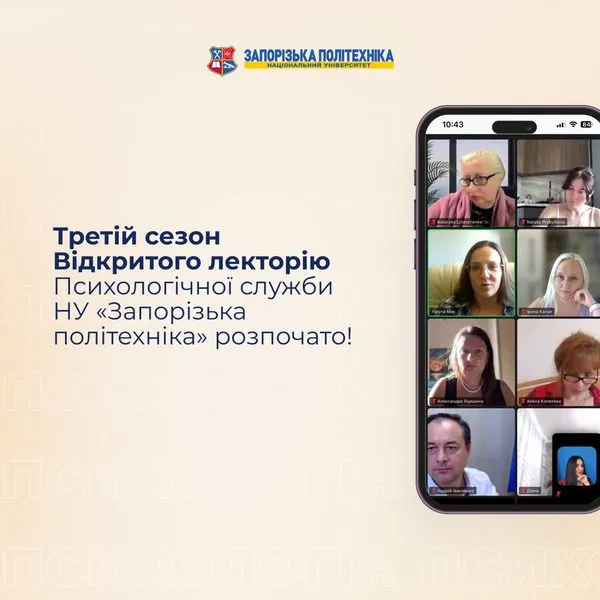
Interaction between teachers and students is carried out with the help of Google Classroom services, communicators and messengers Skype, Viber, Telegram, Facebook, as well as the Zoom video conference service.
In addition, students have the opportunity to use software emulators of laboratory equipment, which allows them to perform laboratory work virtually at home during the quarantine period. Also, the high-tech laboratory of remote engineering and embedded systems, created and developed at the department of software tools within the framework of international projects of the European Union under the «Tempus» and «Erasmus+» programs, allows students from home or work or even from abroad to remotely perform laboratory work with real equipment that is manually or programmatically controlled via the Internet. Also, students of the department have remote access to similar laboratories with other equipment located in partner universities of the inter-university network of remote laboratories in Europe and post-Soviet countries.
The use of distance learning technologies and tools allows students to effectively continue studying cathedral disciplines during the quarantine period and to combine the educational process with remote work at IT firms. This actually ensures the implementation of elements of dual education at the department during the quarantine as an integration of the educational process with practice and work at enterprises.
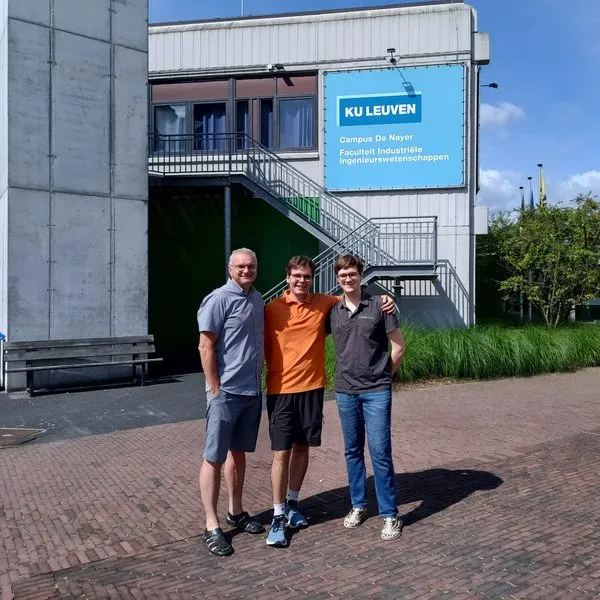
Since the department actively conducts international activities, the use of distance learning technologies benefits students of the department who are abroad in partner universities for academic mobility in Spain, Belgium, Germany, etc. Along with studying the disciplines of partner universities, these students have the opportunity to additionally study the subjects of the department of software tools of Zaporizhzhia Polytechnic University, keeping up with their groups at their alma mater.
S.O. Saturday,
head of the department of software