II International Scientific and Practical Conference «Current Problems of Discourse Studies, Translation Studies and Teaching Methods»

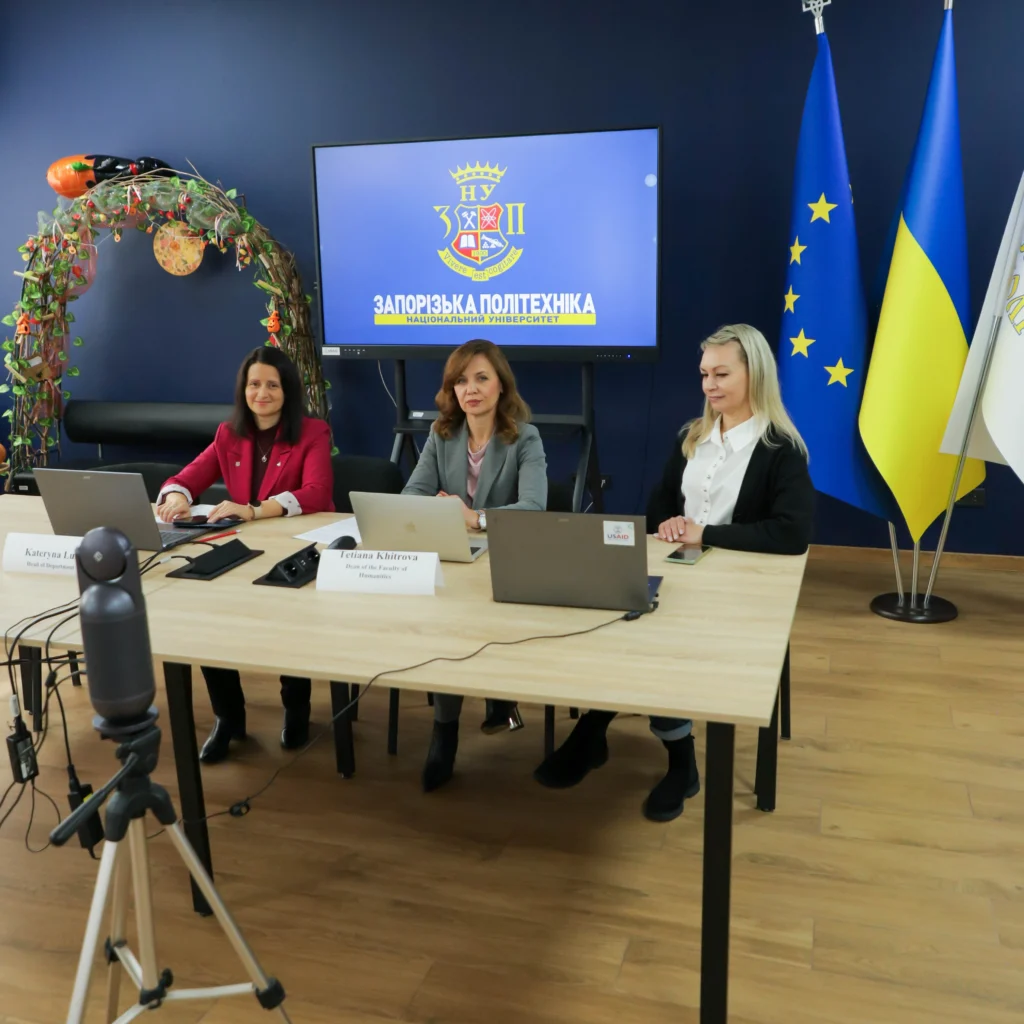
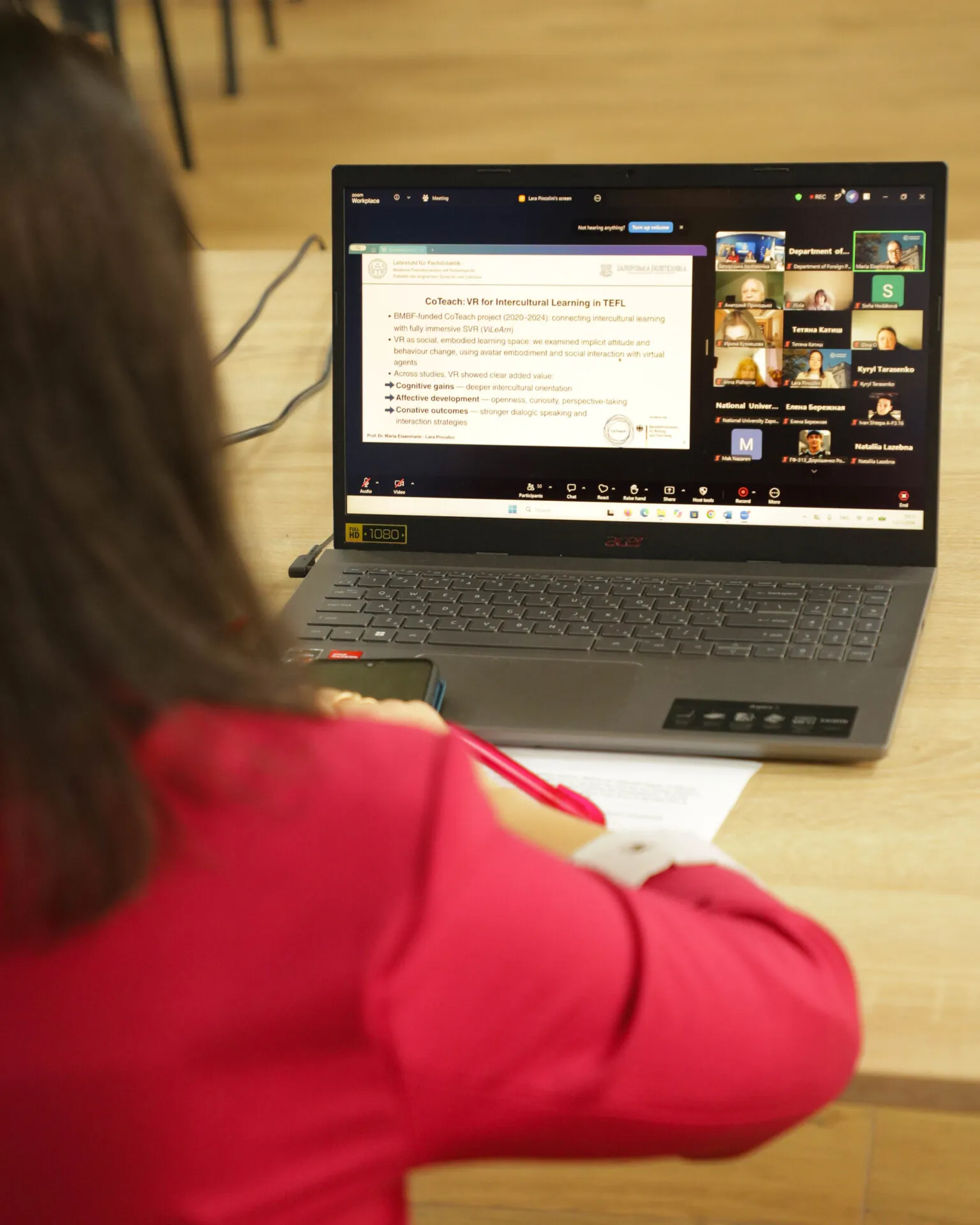
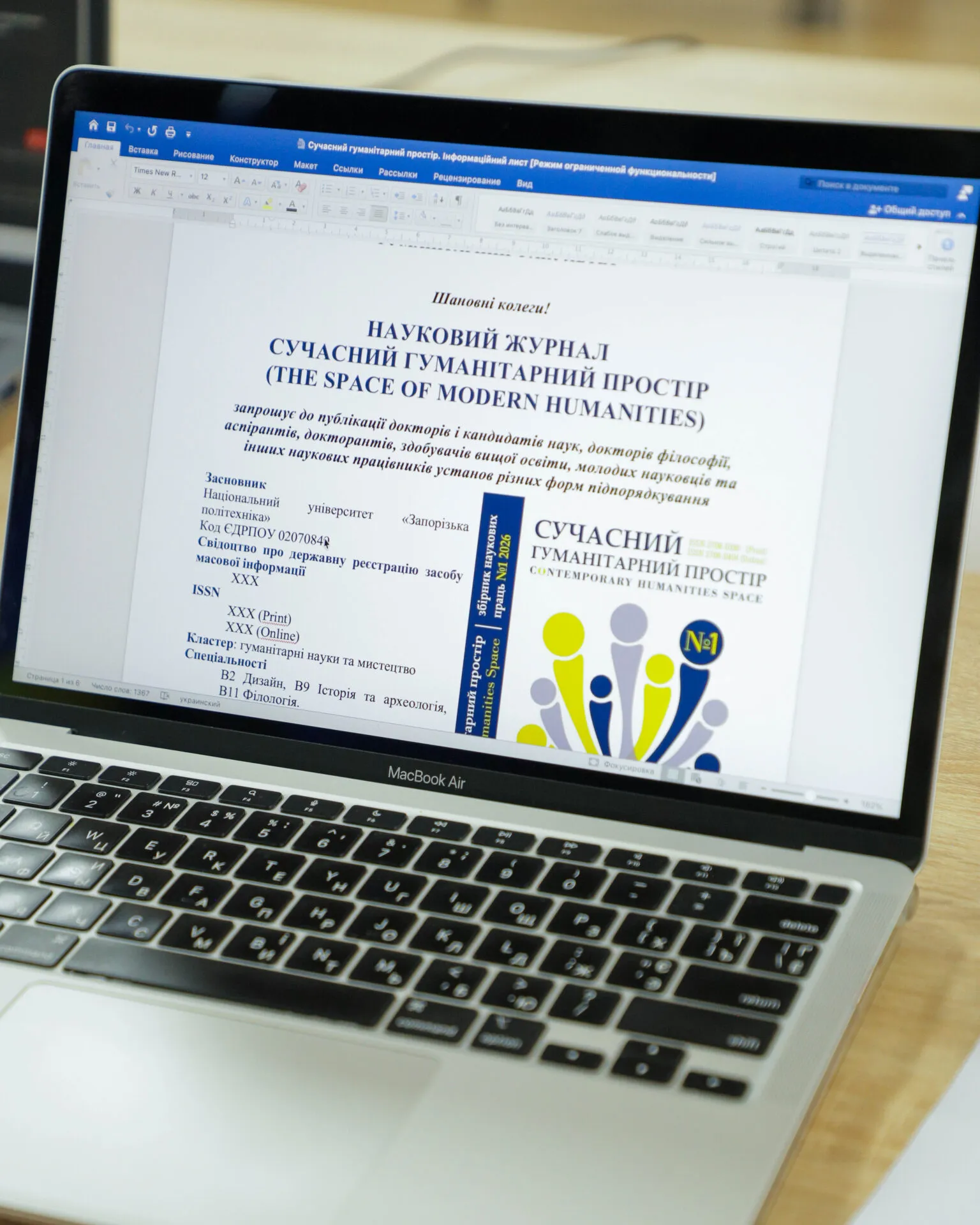
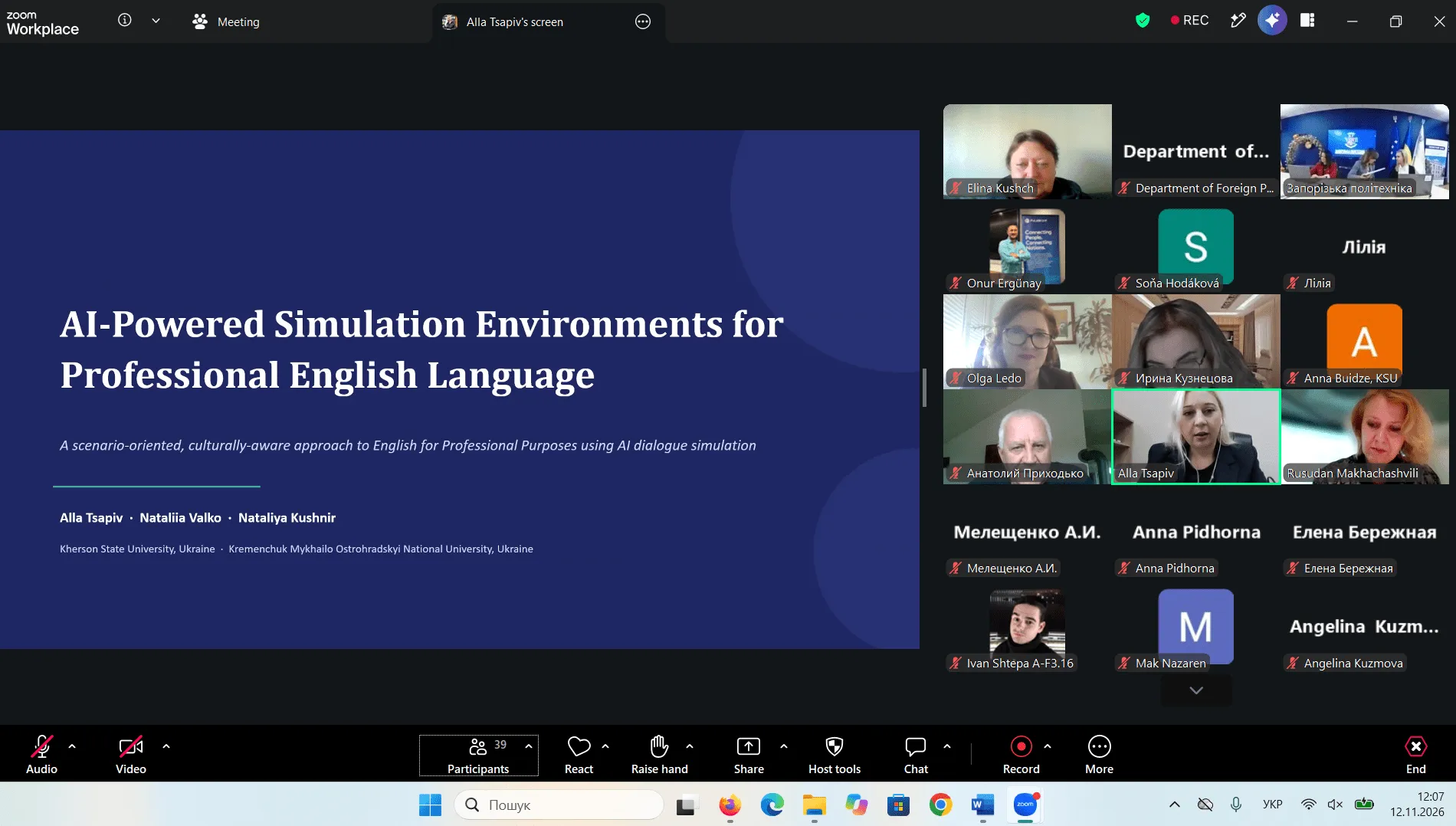
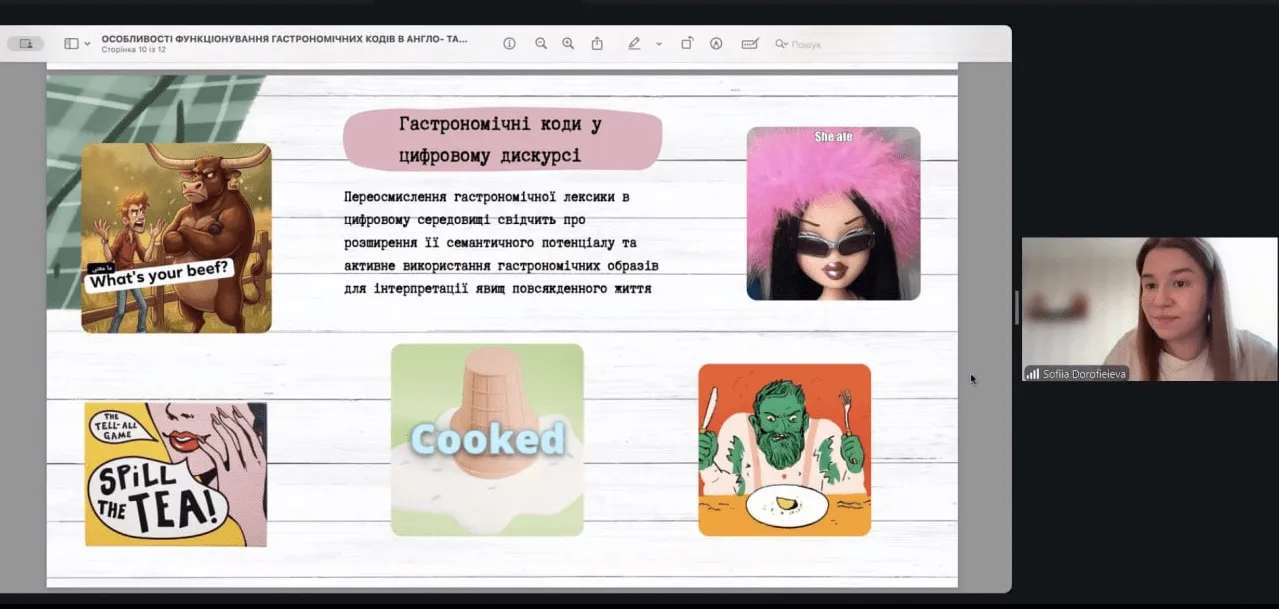
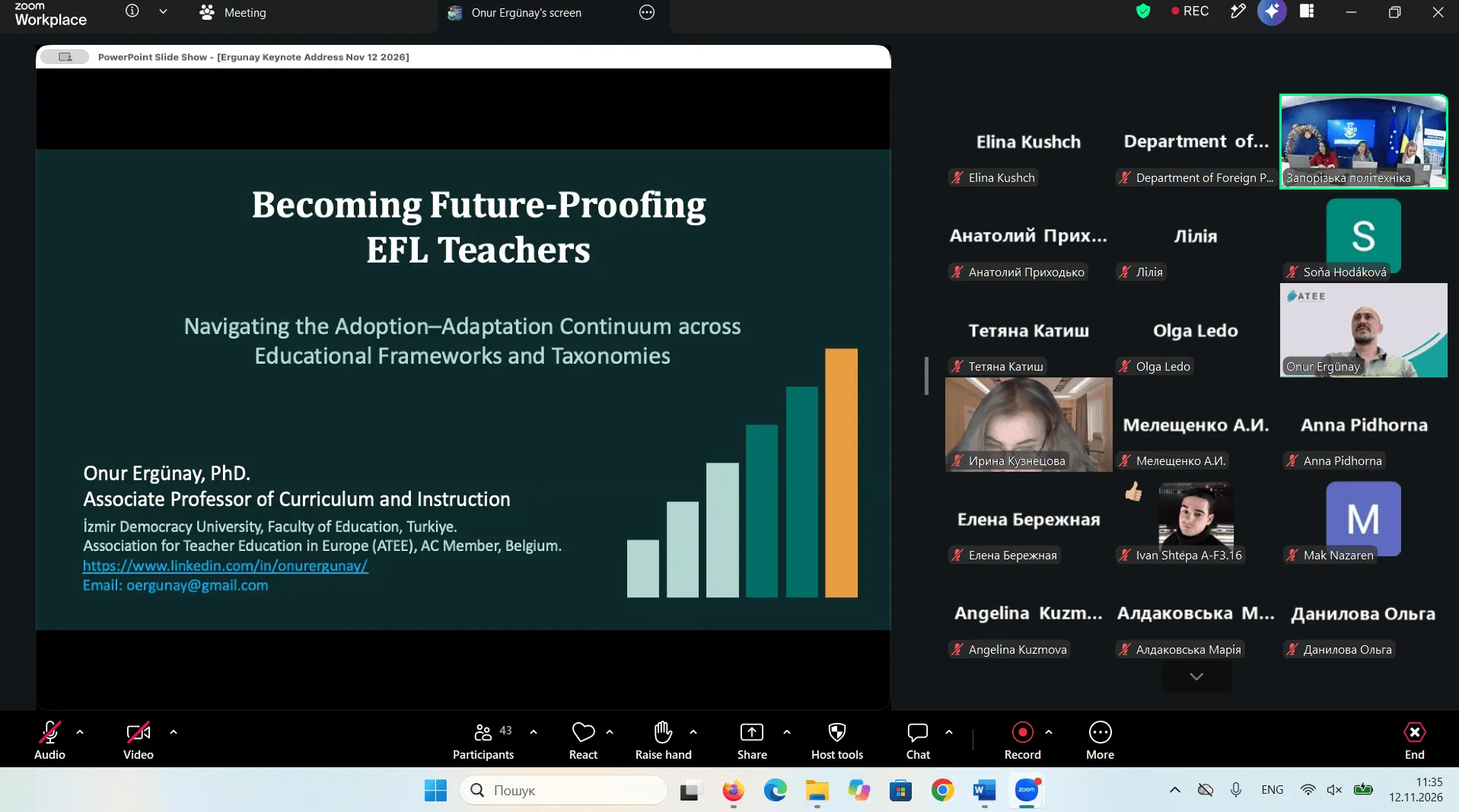
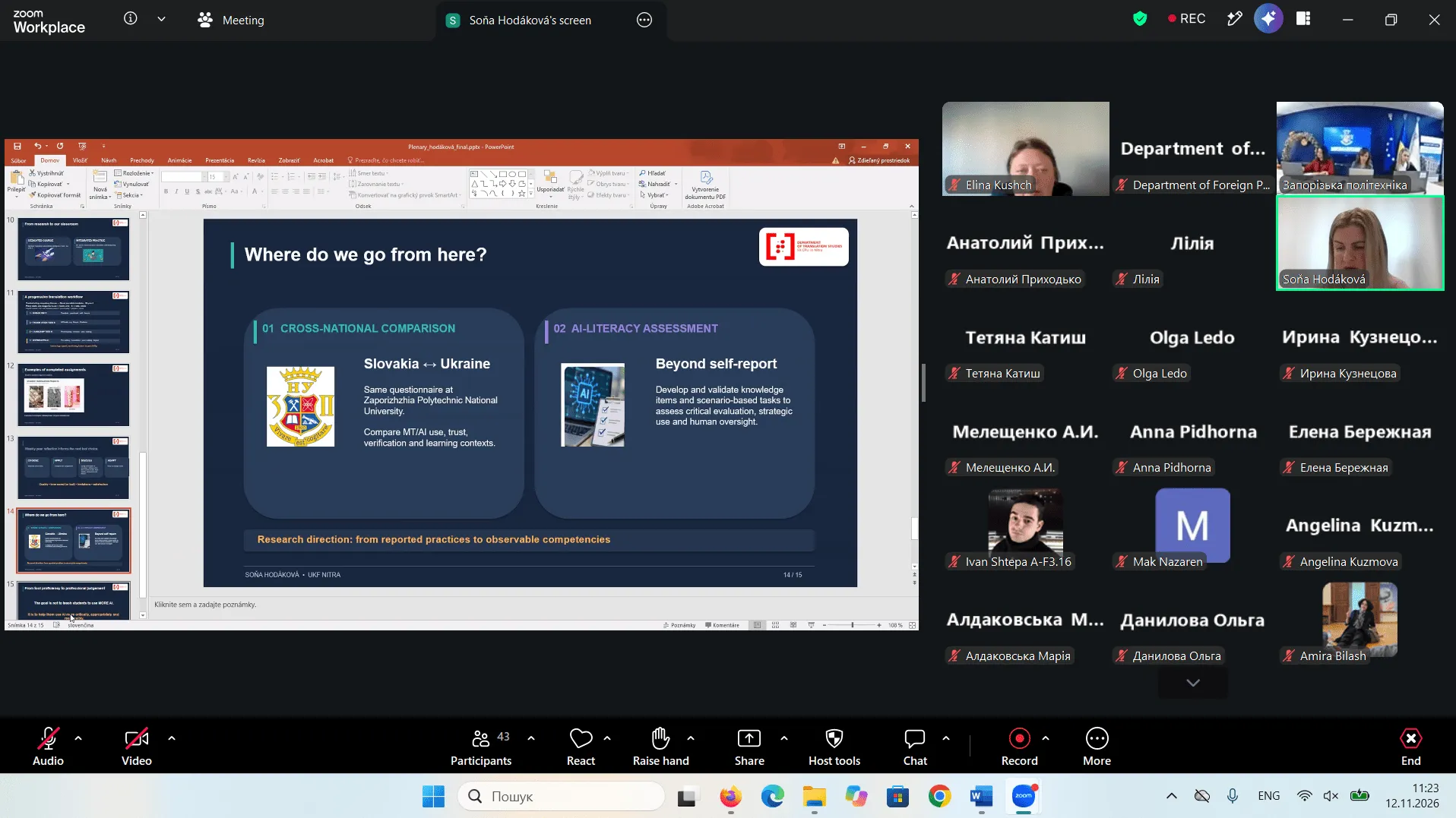
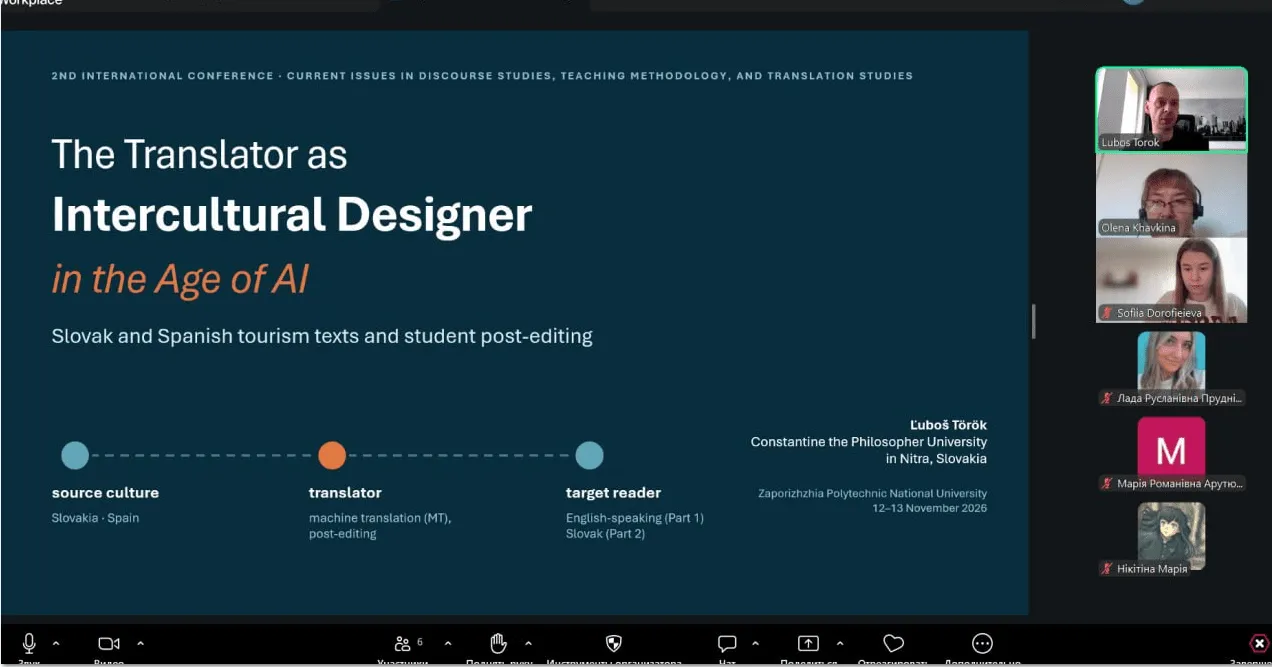
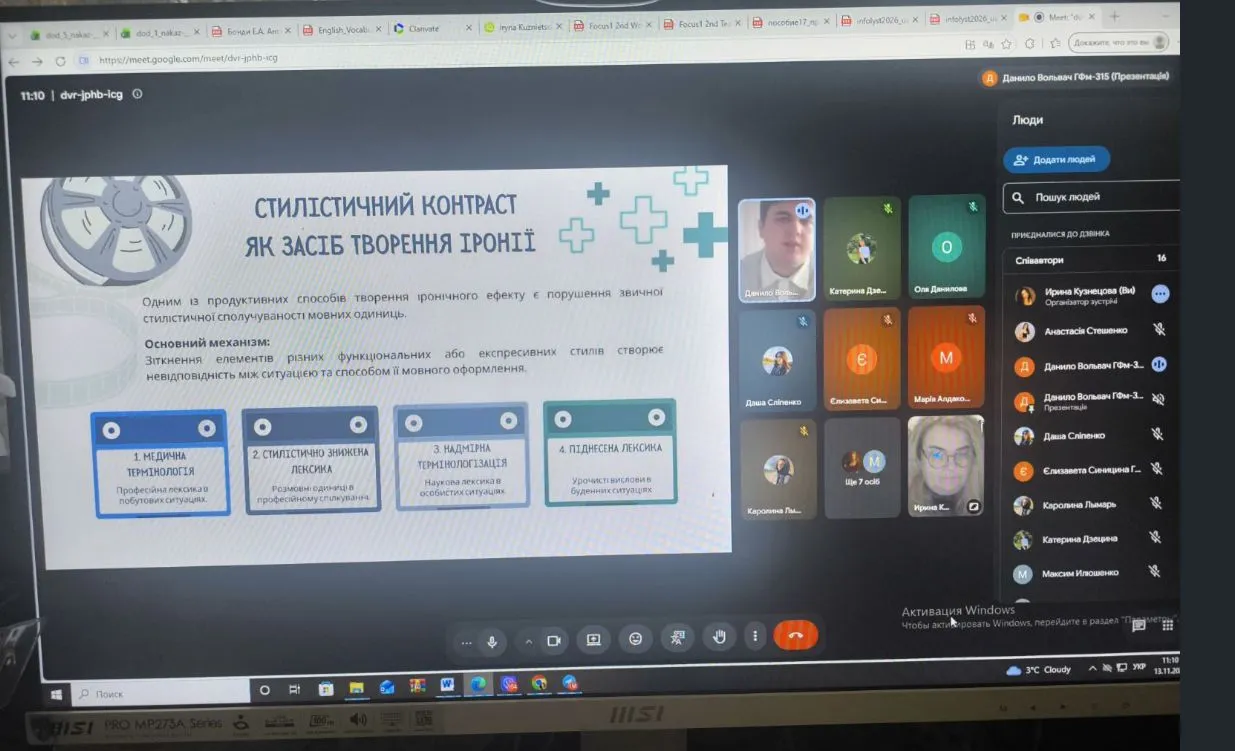
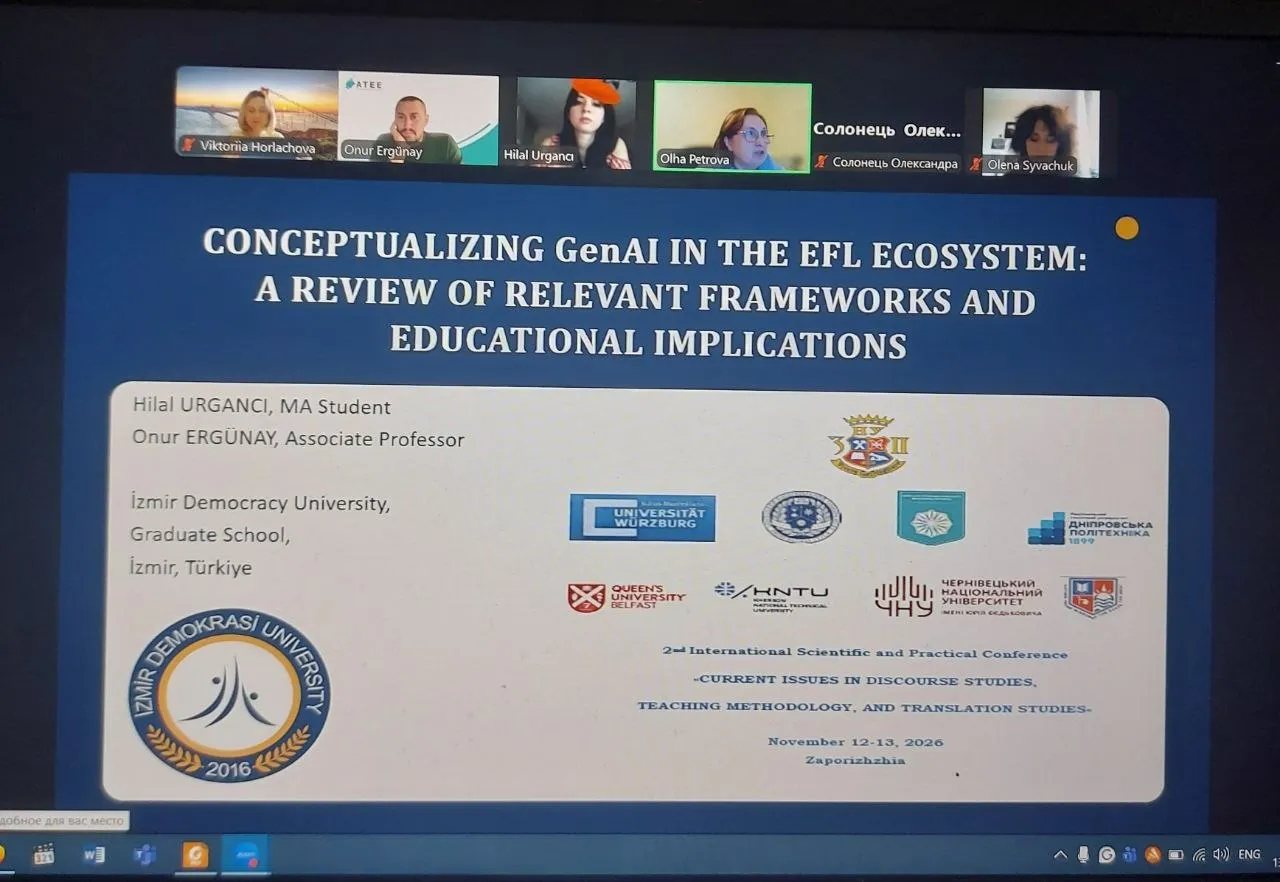
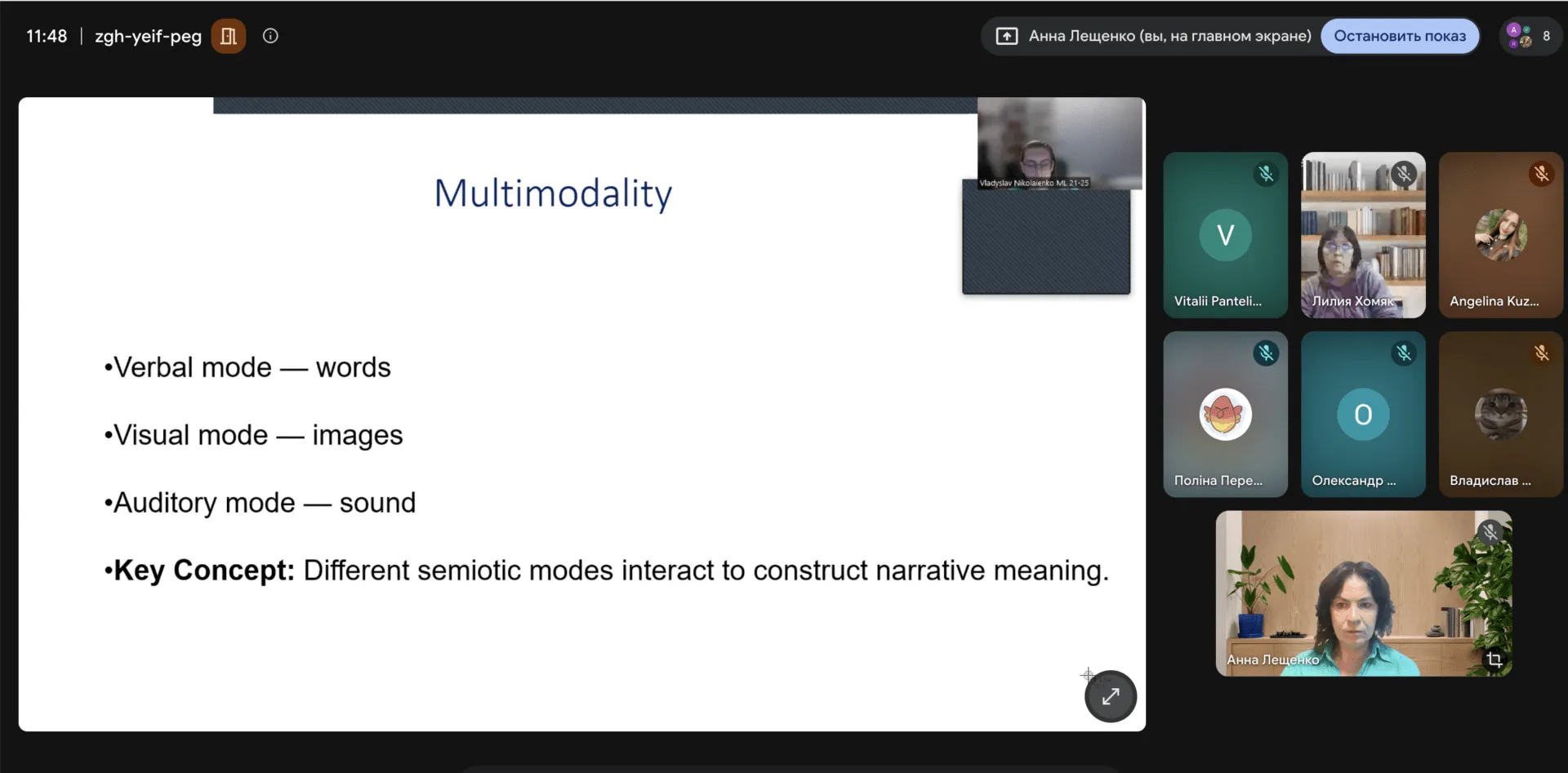
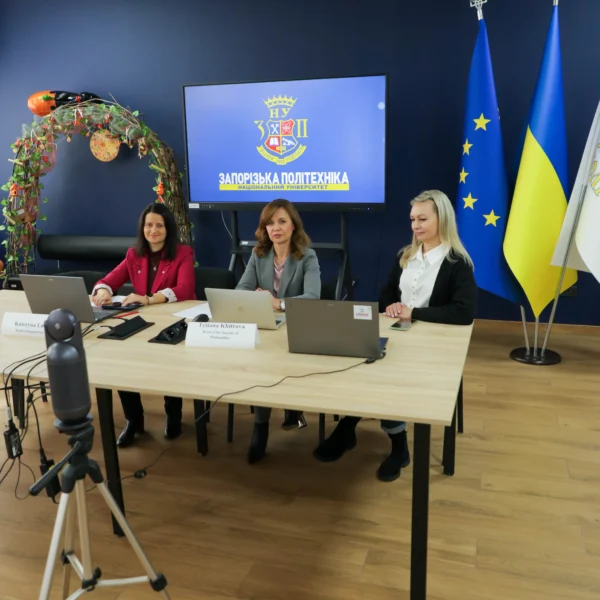
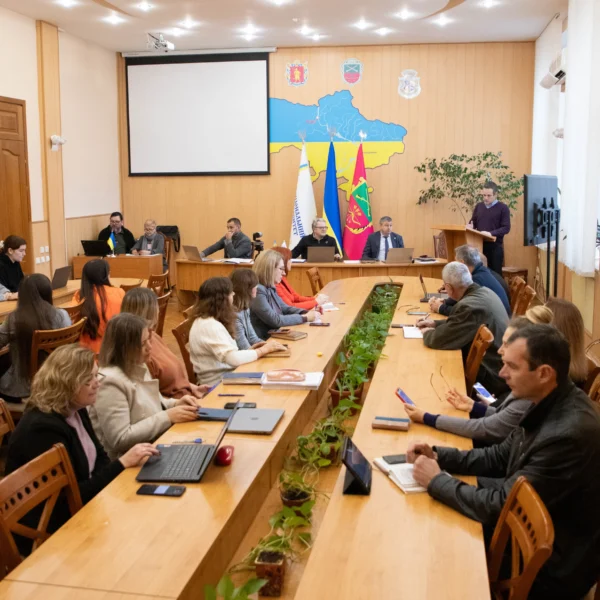
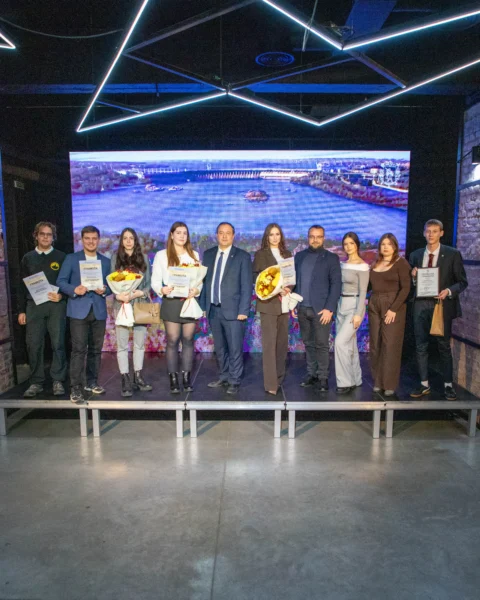
On November 12–13, the II International Scientific and Practical Conference «Current Problems of Discourse Studies, Translation Studies and Teaching Methods» was held at the Department of Foreign Philology and Translation of the Zaporizhzhia Polytechnic National University.
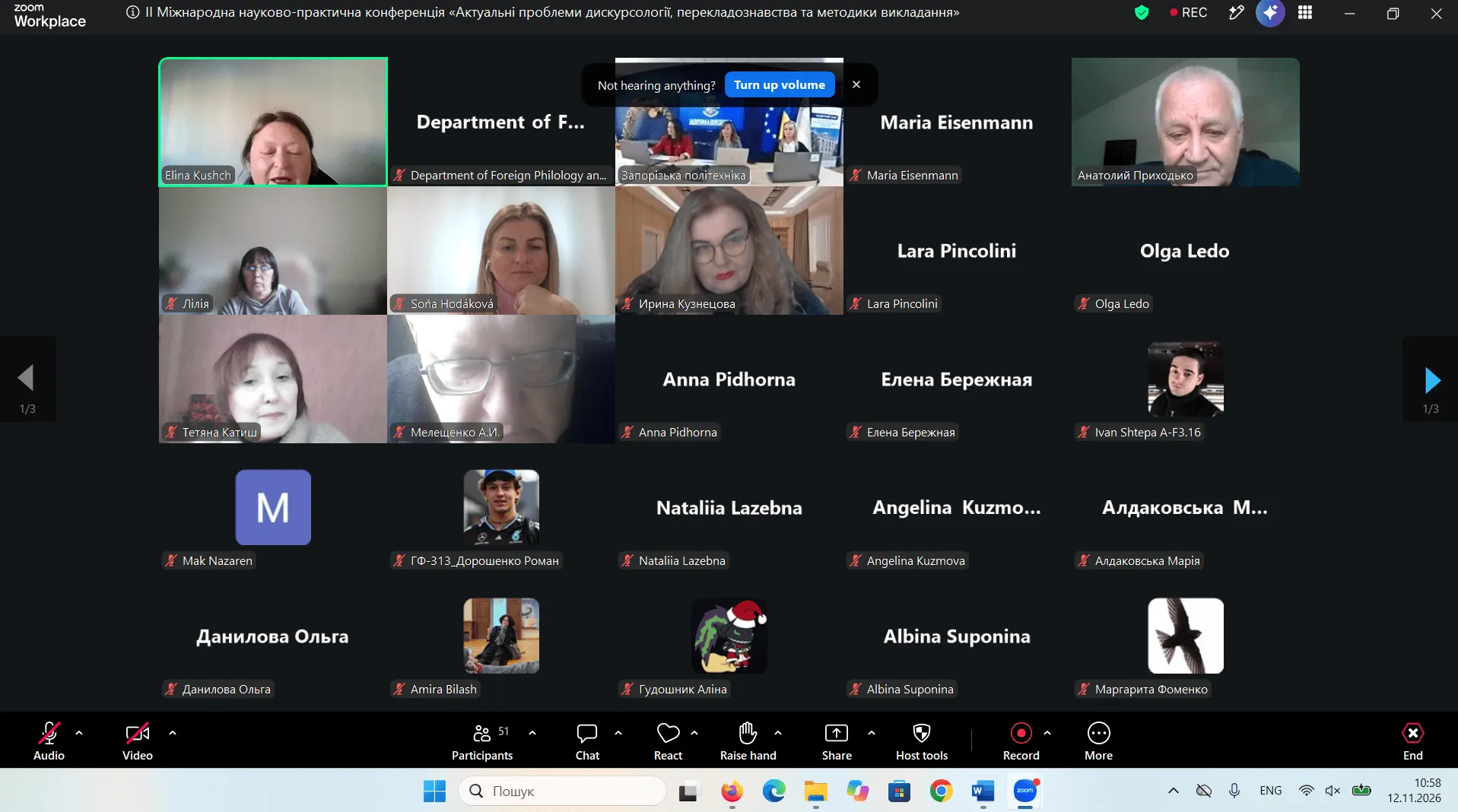
This year’s event witnessed a growing international interest in the conference’s topics and the strengthening of professional ties between the scientific and educational communities. About 200 scientists, teachers, researchers and higher education students participated, representing 36 educational institutions from 9 countries around the world (Ukraine, Germany, Czech Republic, Poland, Spain, Switzerland, Turkey, Slovakia and India).
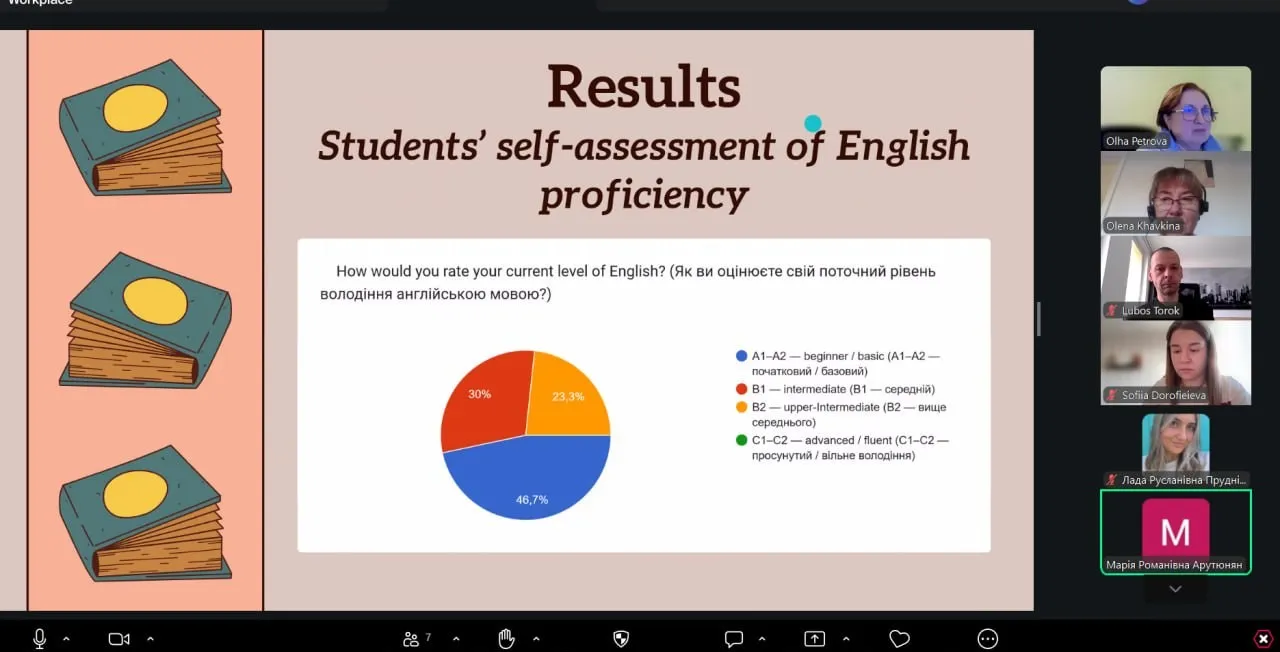
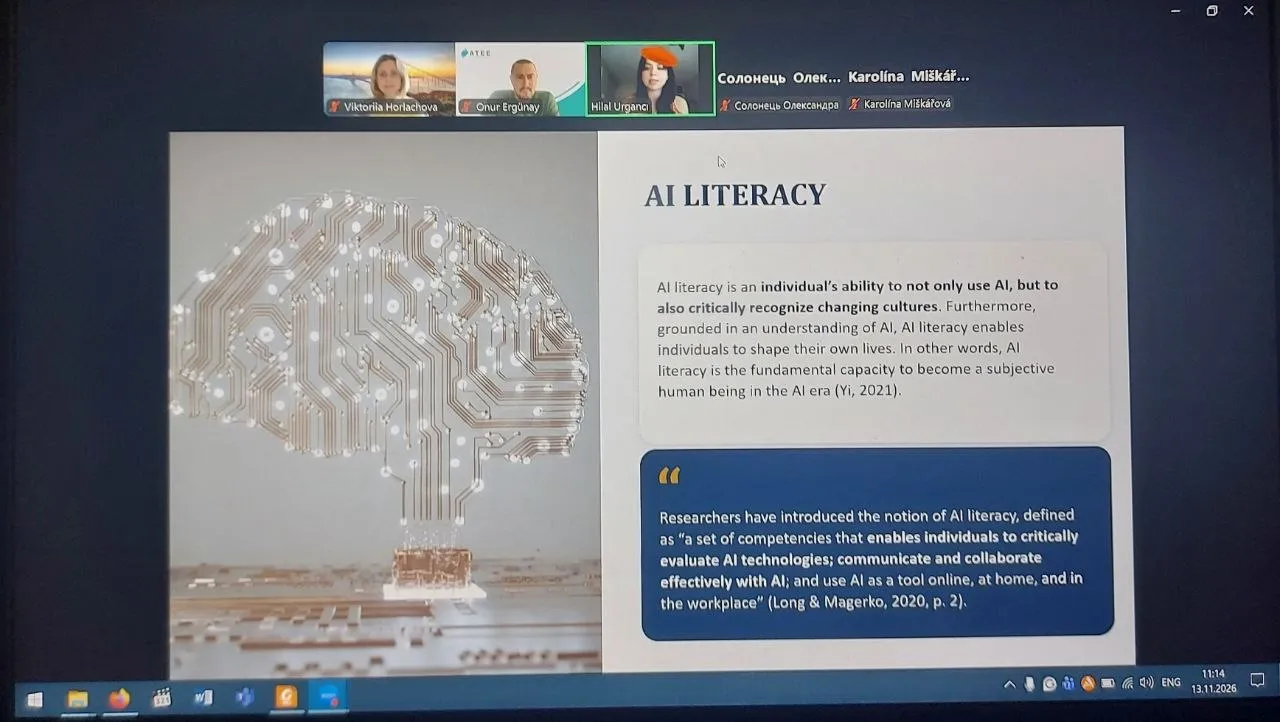
The participants focused on issues of modern linguistics, discourse studies and translation studies, the transformation of professional communication, as well as new challenges and prospects for teaching foreign languages in a dynamic technological environment. Of particular relevance were the issues of the impact of artificial intelligence on language education, translation activities and professional training of specialists, the development of intercultural competence and the search for effective approaches to the formation of modern communication skills.
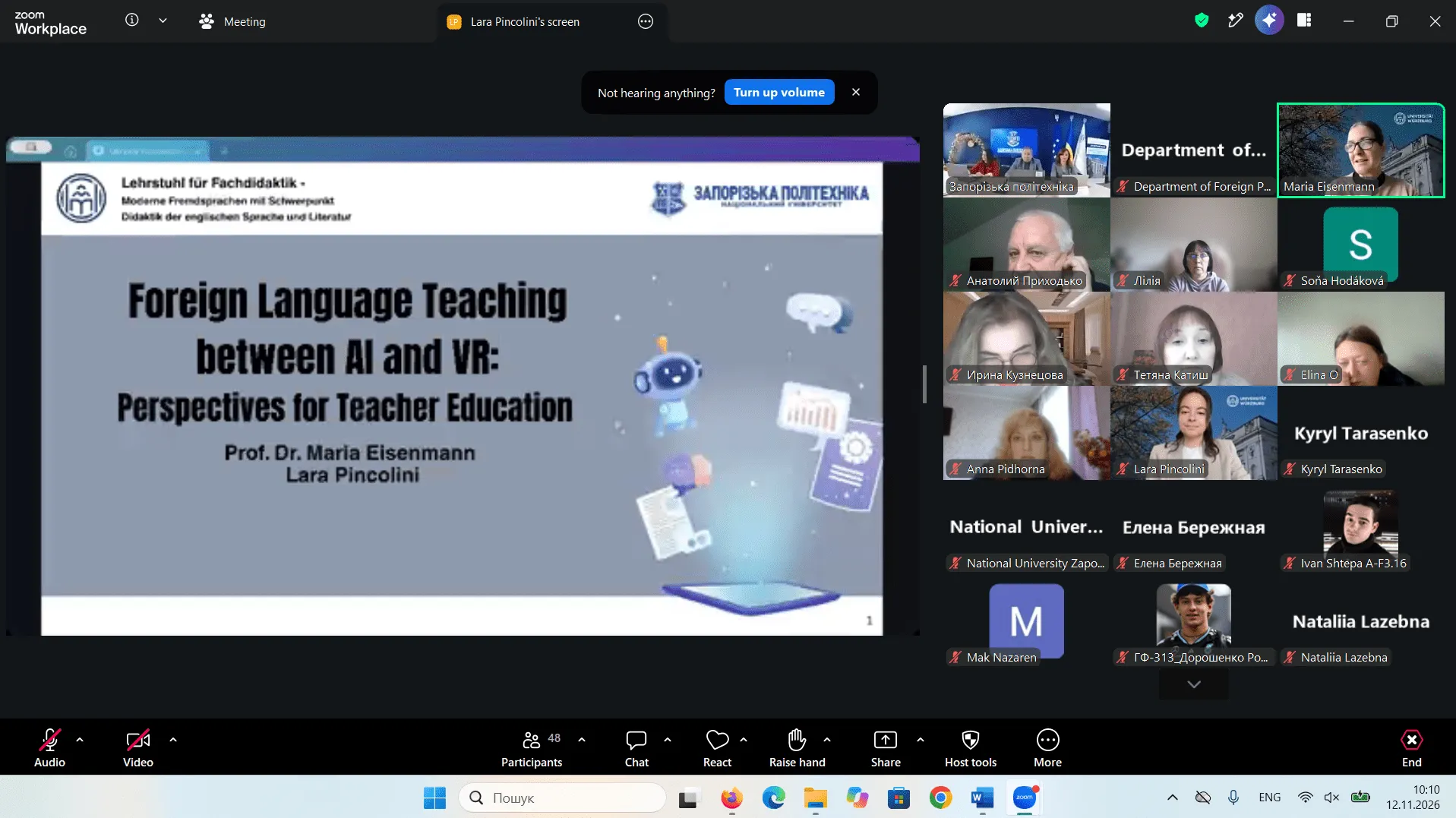
The plenary part brought together leading Ukrainian and foreign specialists who presented the results of their research, shared professional experience and outlined the prospects for the development of philological science and foreign language education. Further work of the conference took place within the thematic sections, where participants had the opportunity to present their own developments, discuss current research problems, ask questions to colleagues and find common ground for future scientific projects.
The second international conference is an important step in the development of scientific and international activities of the Department of Foreign Philology and Translation. At the same time, it is an opportunity to support academic communication, unite researchers of different generations, and form new partnerships that go beyond the boundaries of individual universities and countries.
We sincerely thank all co-organizers, speakers, participants and colleagues for their active participation and meaningful scientific dialogue!
Working together – developing together!