Participation of Zaporizhzhia Polytechnic University teachers in the Teaching Methods in International Higher Education program within the DAAD InduTwin@scale project

The international educational project DAAD InduTwin@scale, which was completed in December 2025 at our partner Dortmund University of Applied Sciences and Arts (FH Dortmund, Germany), provided opportunities not only for students, but also for teachers of Zaporizhia Polytechnic: https://www.fh-dortmund.de/projekte/fis.import.proj.de.194.php?loc=en
Thanks to the support of the project coordinator for Ukraine, Armenia and Kazakhstan, Honorary Professor of Zaporizhia Polytechnic, Director of IDiAL FH Dortmund Carsten Wolf, representatives of Zaporizhia Polytechnic joined the participation in online course “Teaching Methods in International Higher Education” (TMIHE).
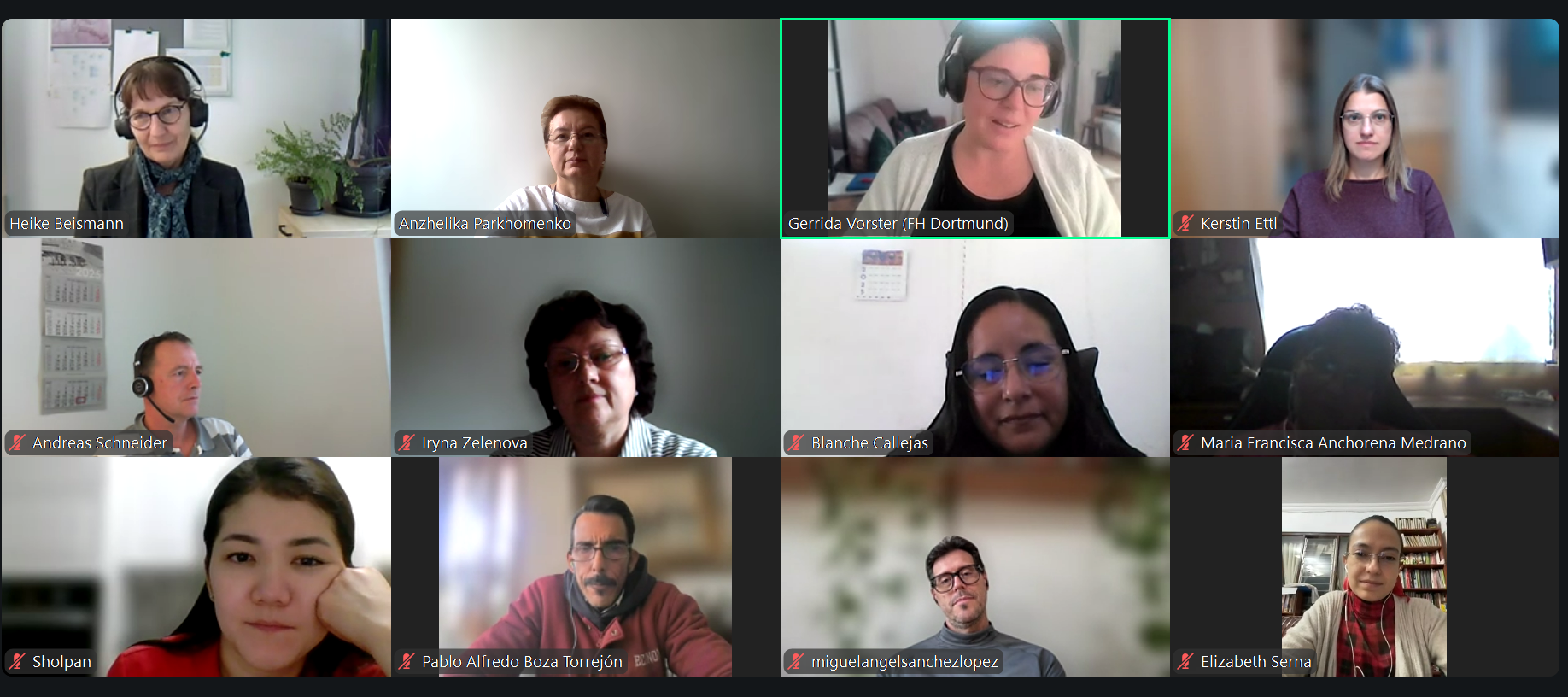
It was a comprehensive 9-month program for teachers from Ukraine, Germany, Kazakhstan, Mexico, Peru, India, Colombia, Armenia. It was aimed at providing university teachers who are not native English speakers with the skills and methods necessary to improve the effectiveness of teaching subjects in English to international student groups.
The course combined the principles of Content and Language Integrated Learning (CLIL) and Collaborative Online International Learning (COIL) to develop intercultural competence and collaborative learning.
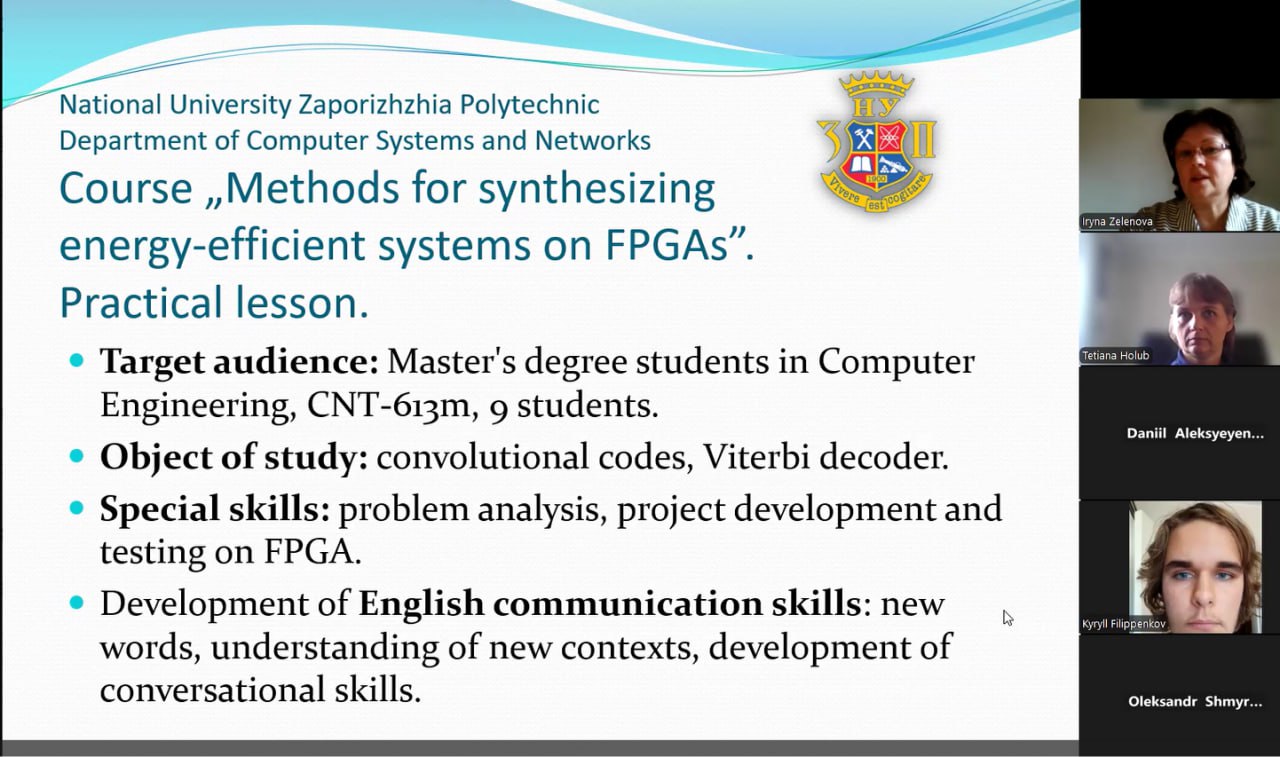
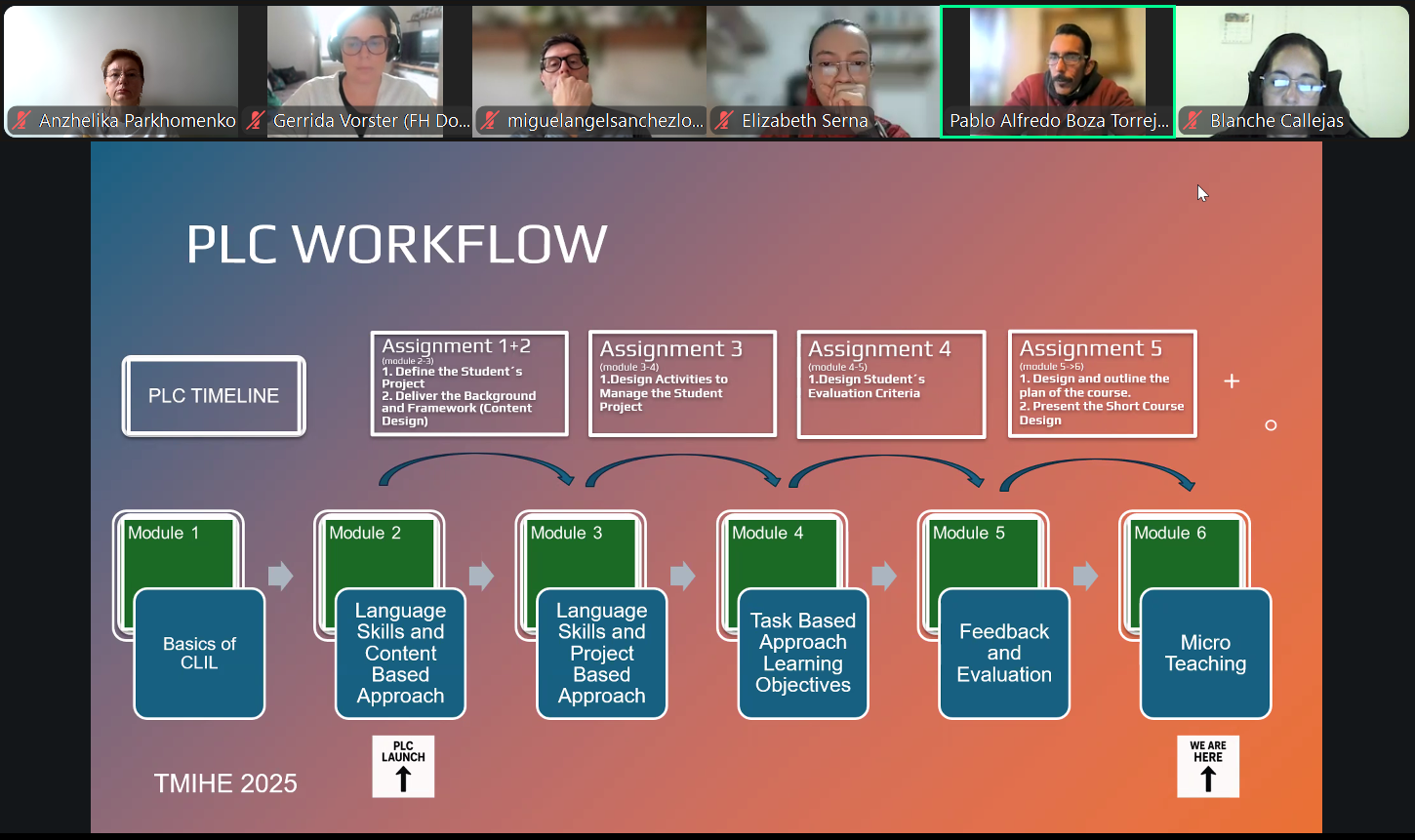
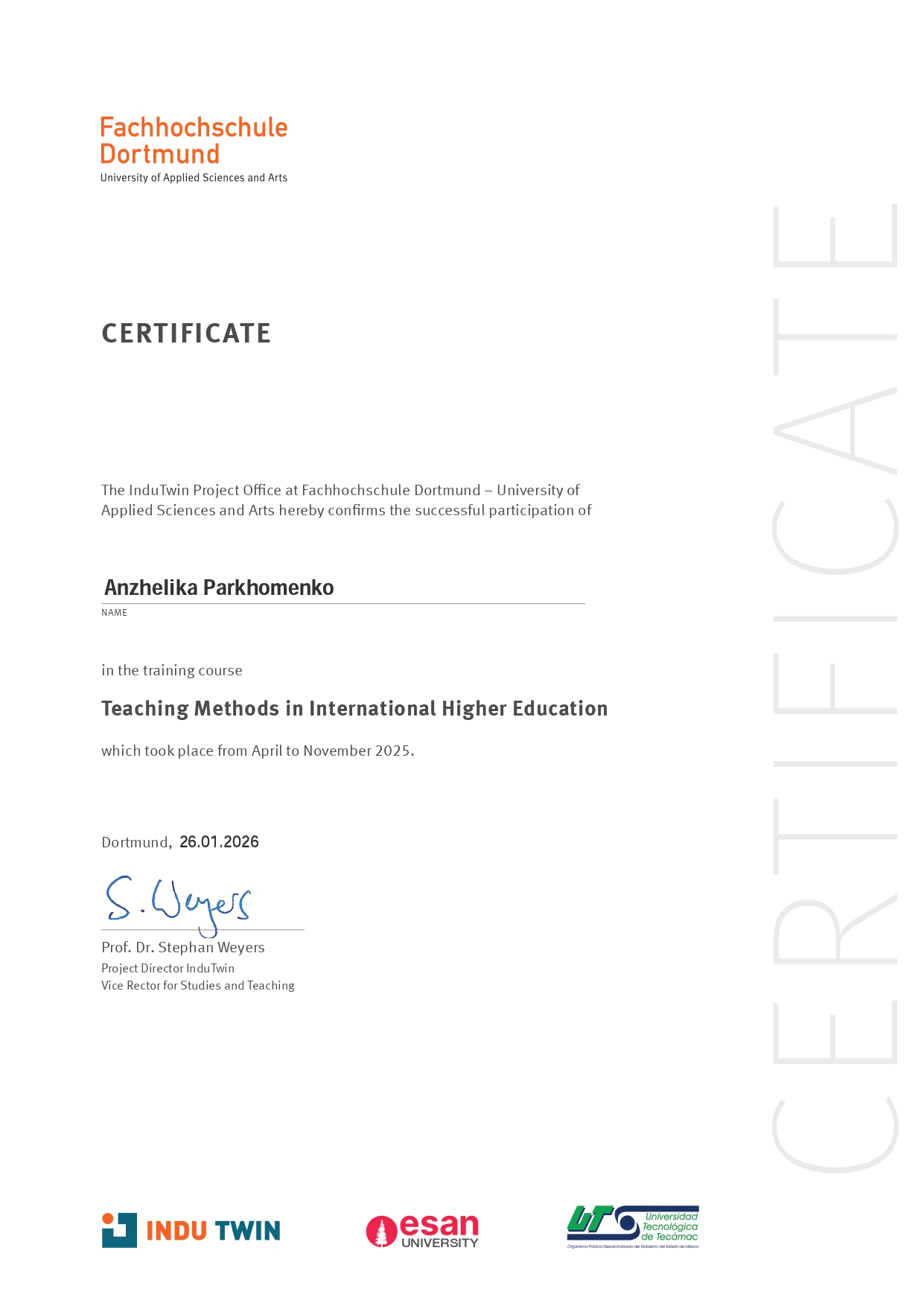
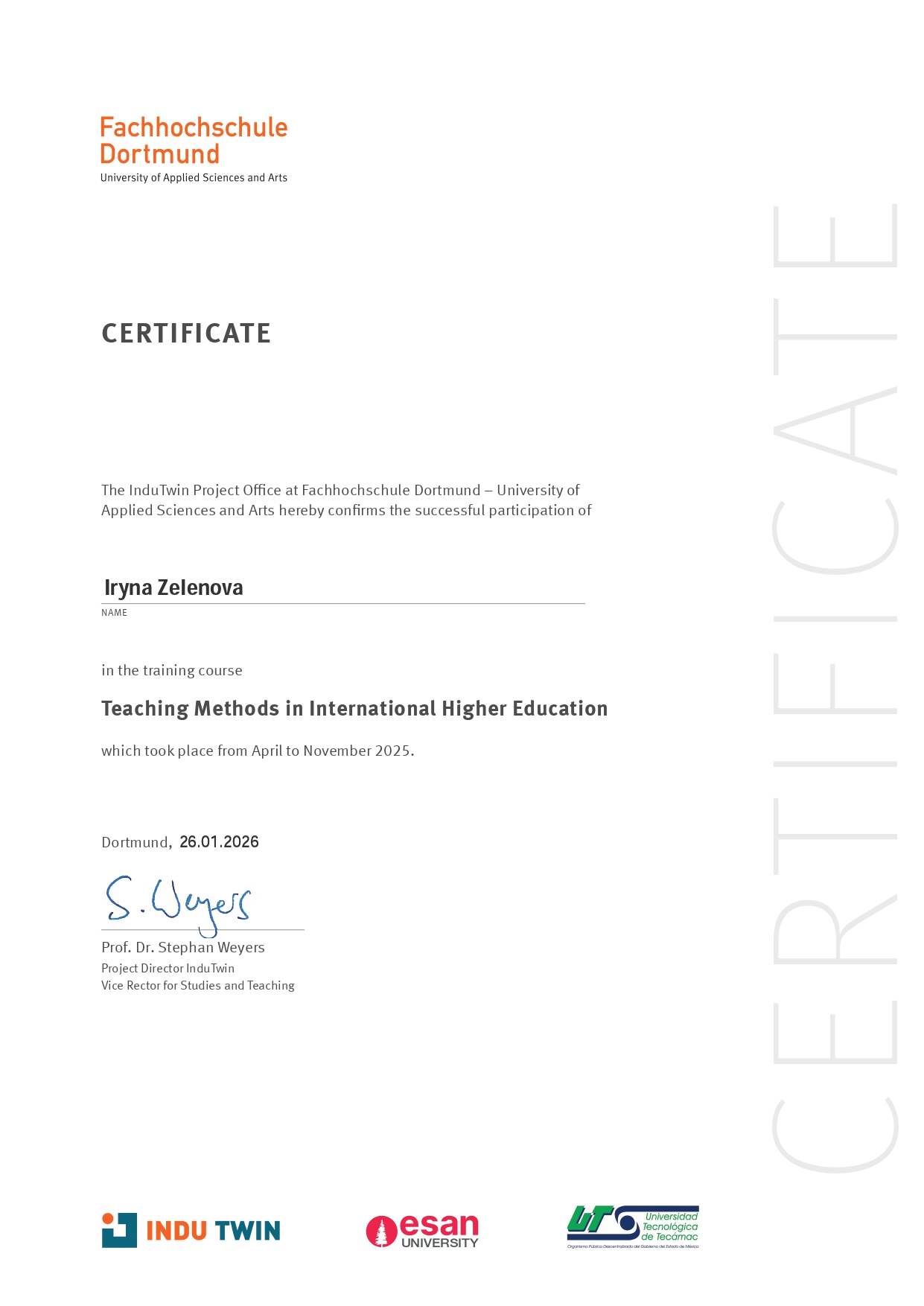
Participants from Zaporizhia Polytechnic University – Associate Professor of the Department of Software Tools Anzhelika Parkhomenko and Associate Professor of the Department of Computer Systems and Networks Iryna Zelenyova took part in six structured modules aimed at improving both pedagogical methods and English language proficiency, completed all tasks and received Certificates of Successful Completion.
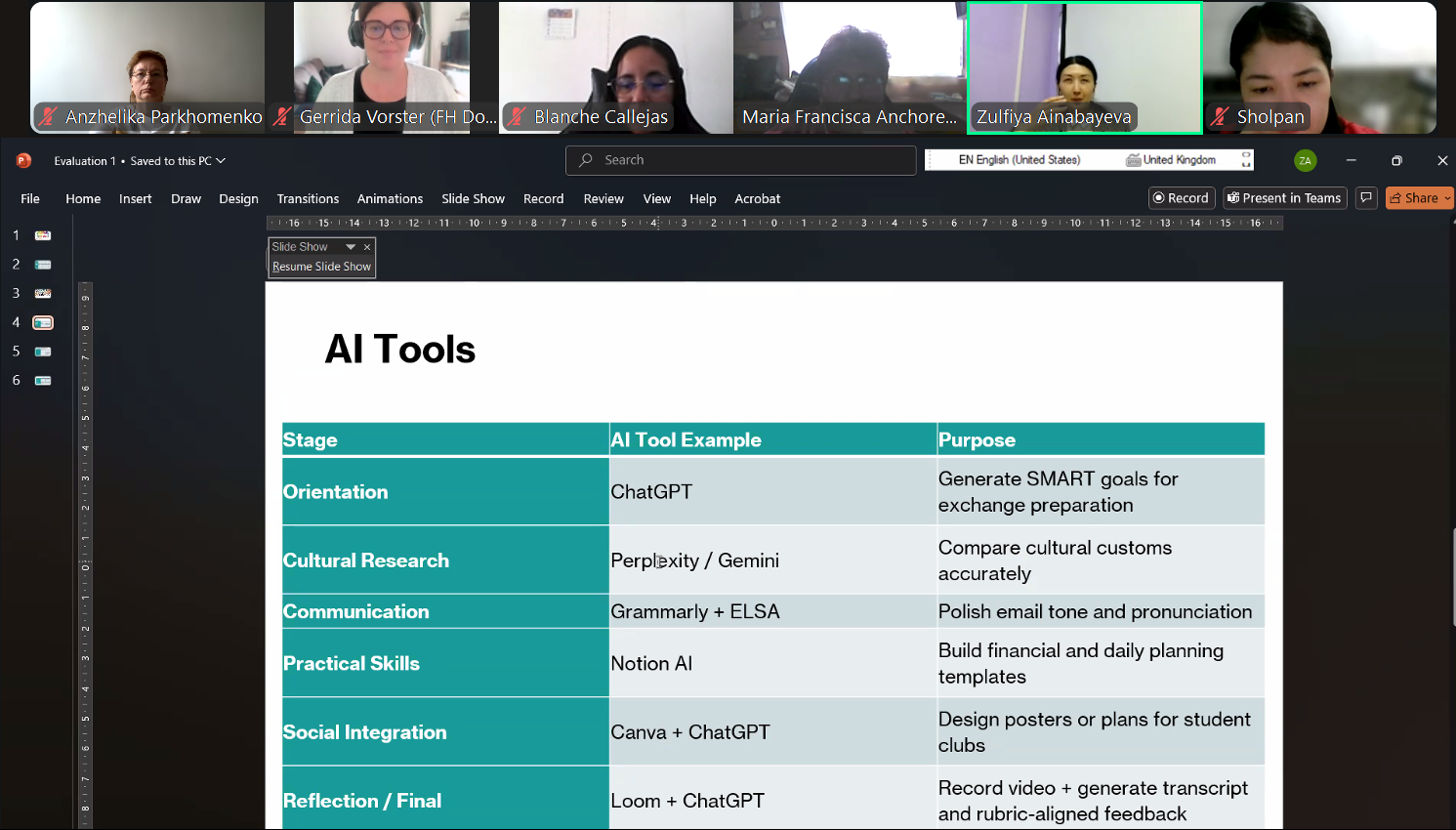
The TMIHE program focused on innovative digital tools, modern learning resources and methodologies, which provided teachers with the necessary competencies to create an engaging and relevant learning environment. Peer assessment, feedback and discussion became an integral part of the course.
In addition to synchronous and asynchronous tasks, course participants participated in professional learning clusters, which allowed them to network, exchange best practices and network for potential research opportunities.
Working together – growing together!