Training “Emotional Intelligence: The Key to a Culture of Dialogue and Effective Conflict Resolution”

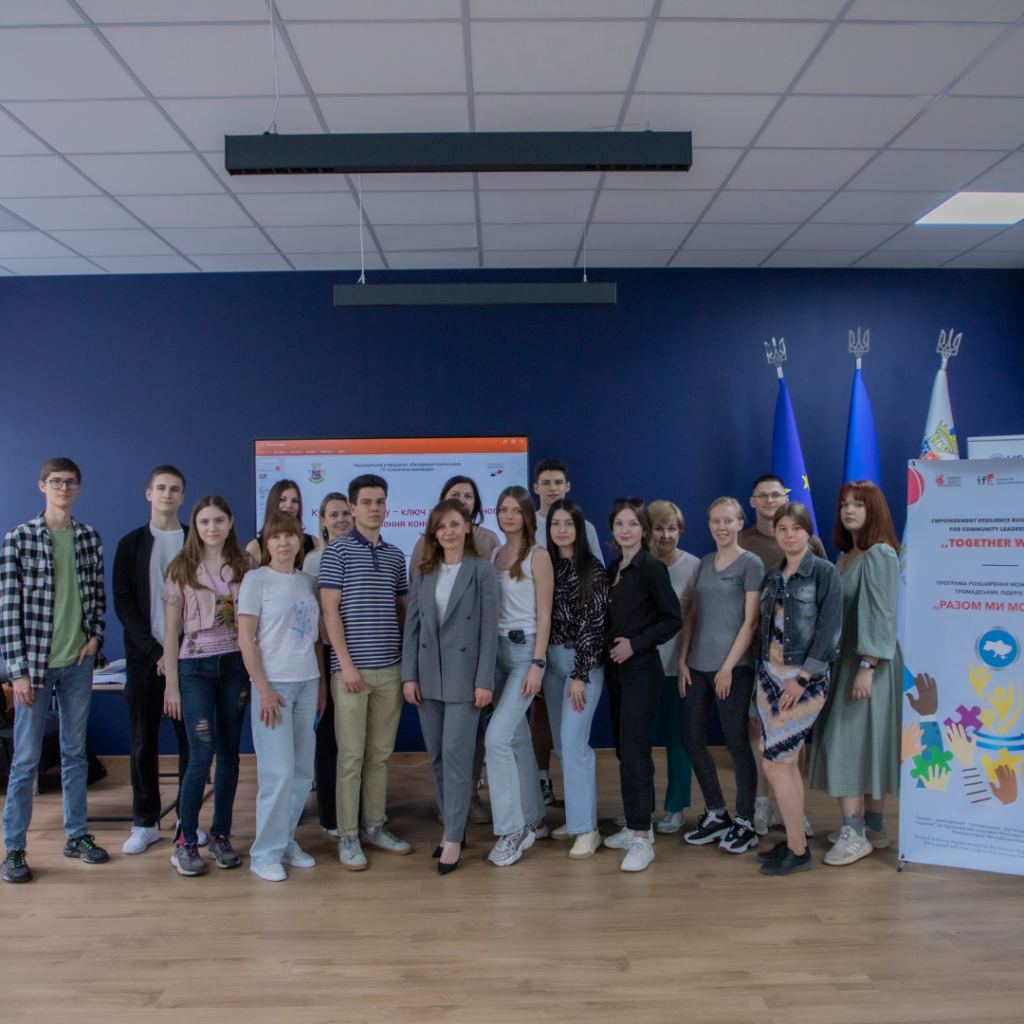
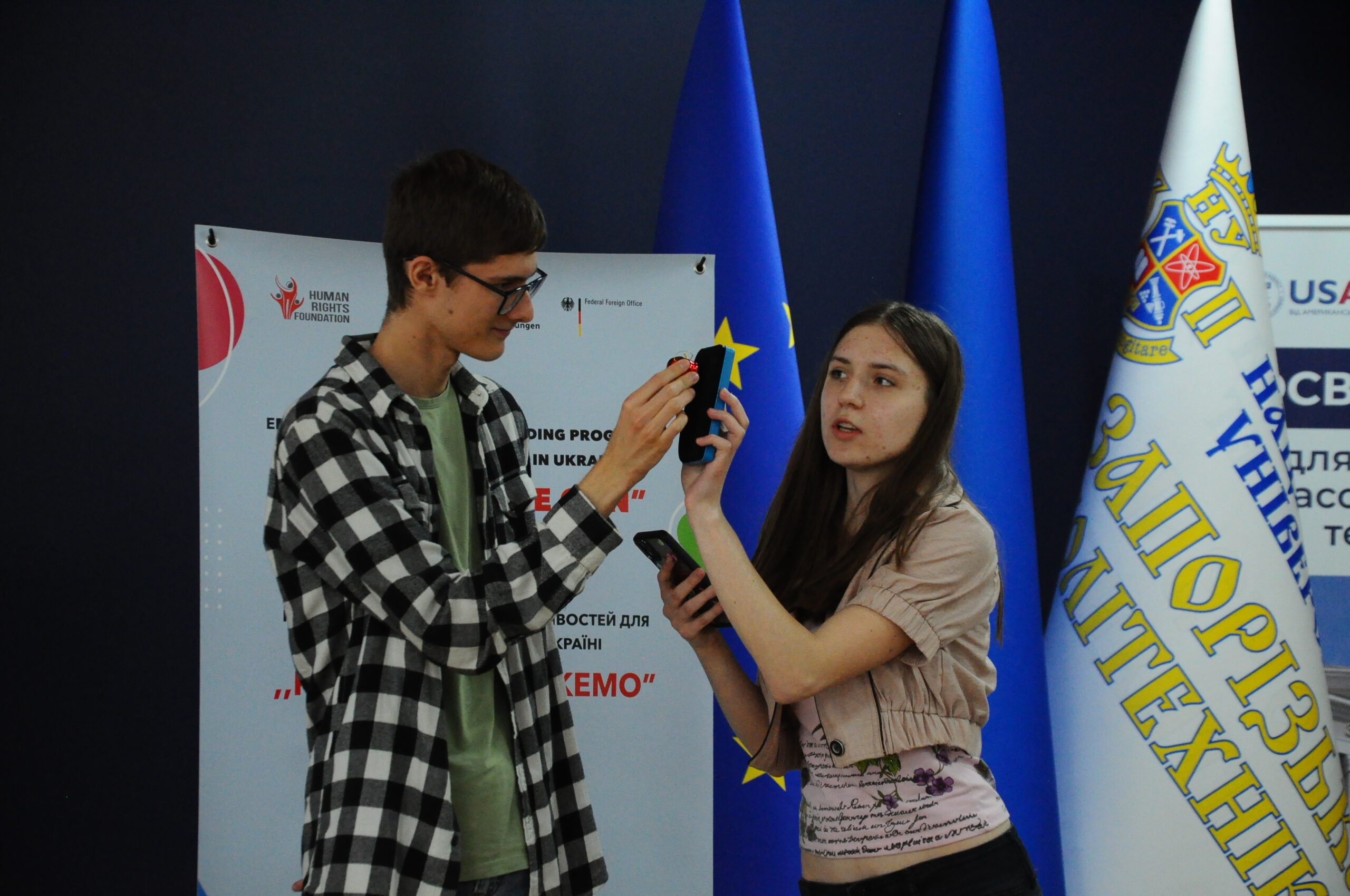
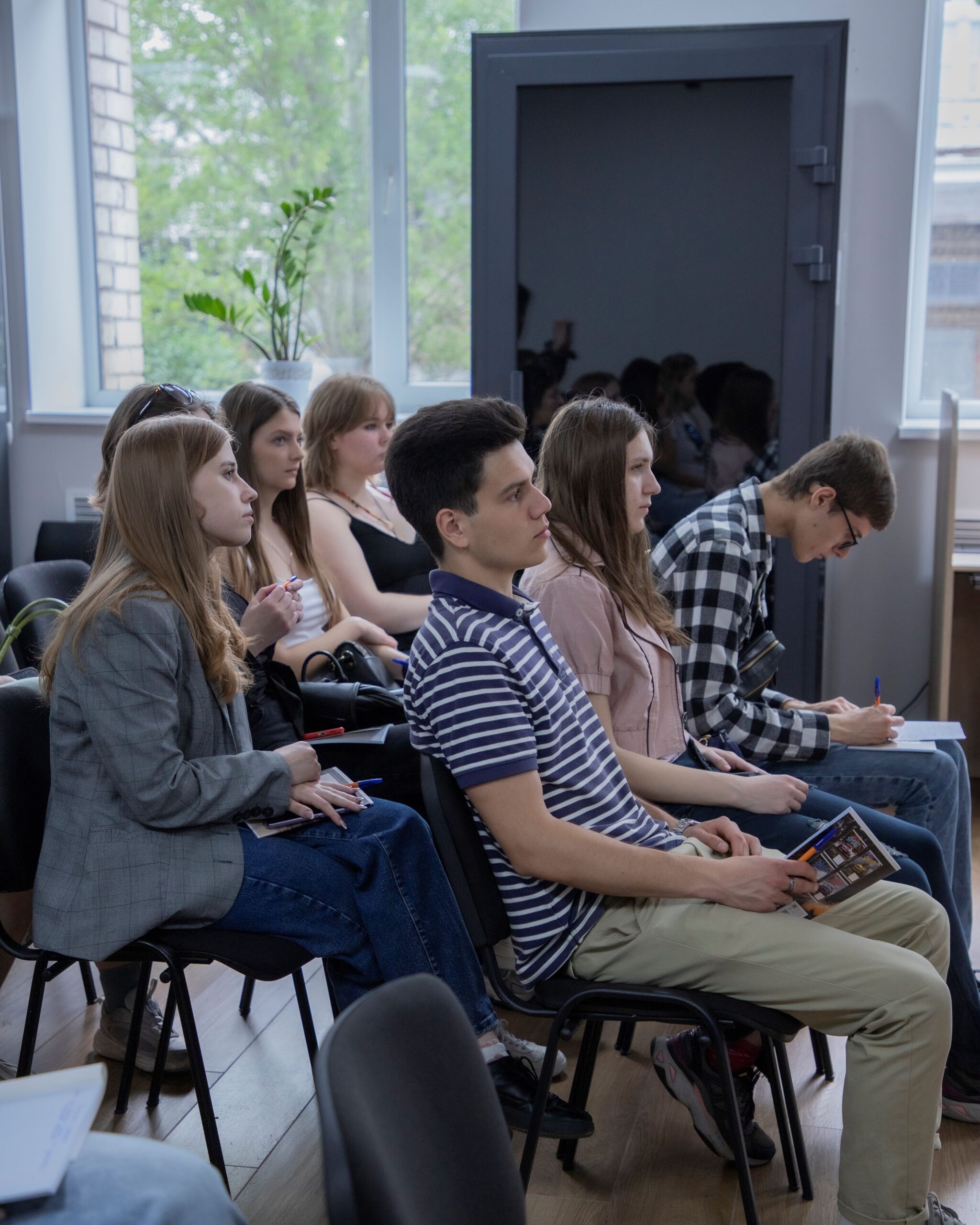
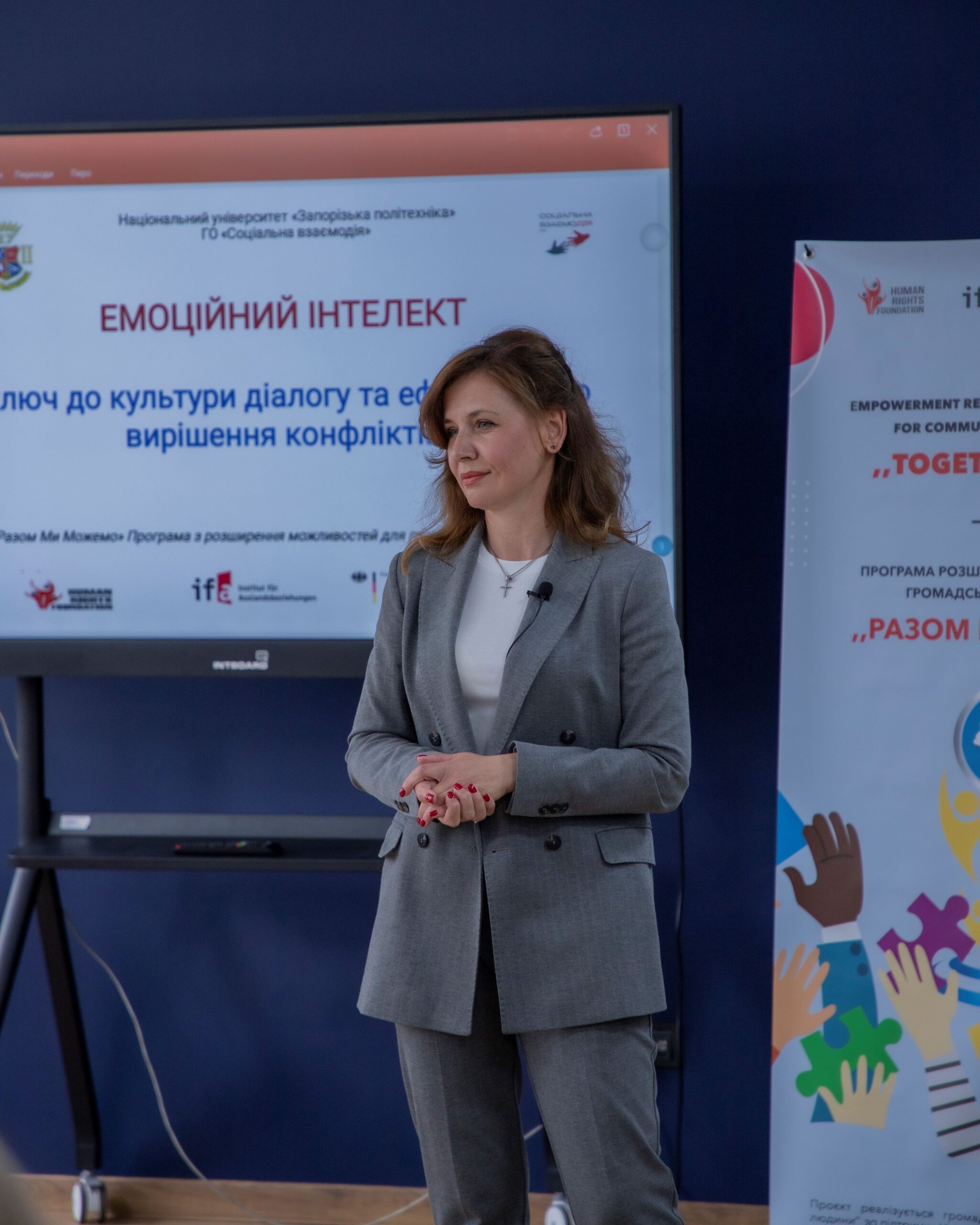
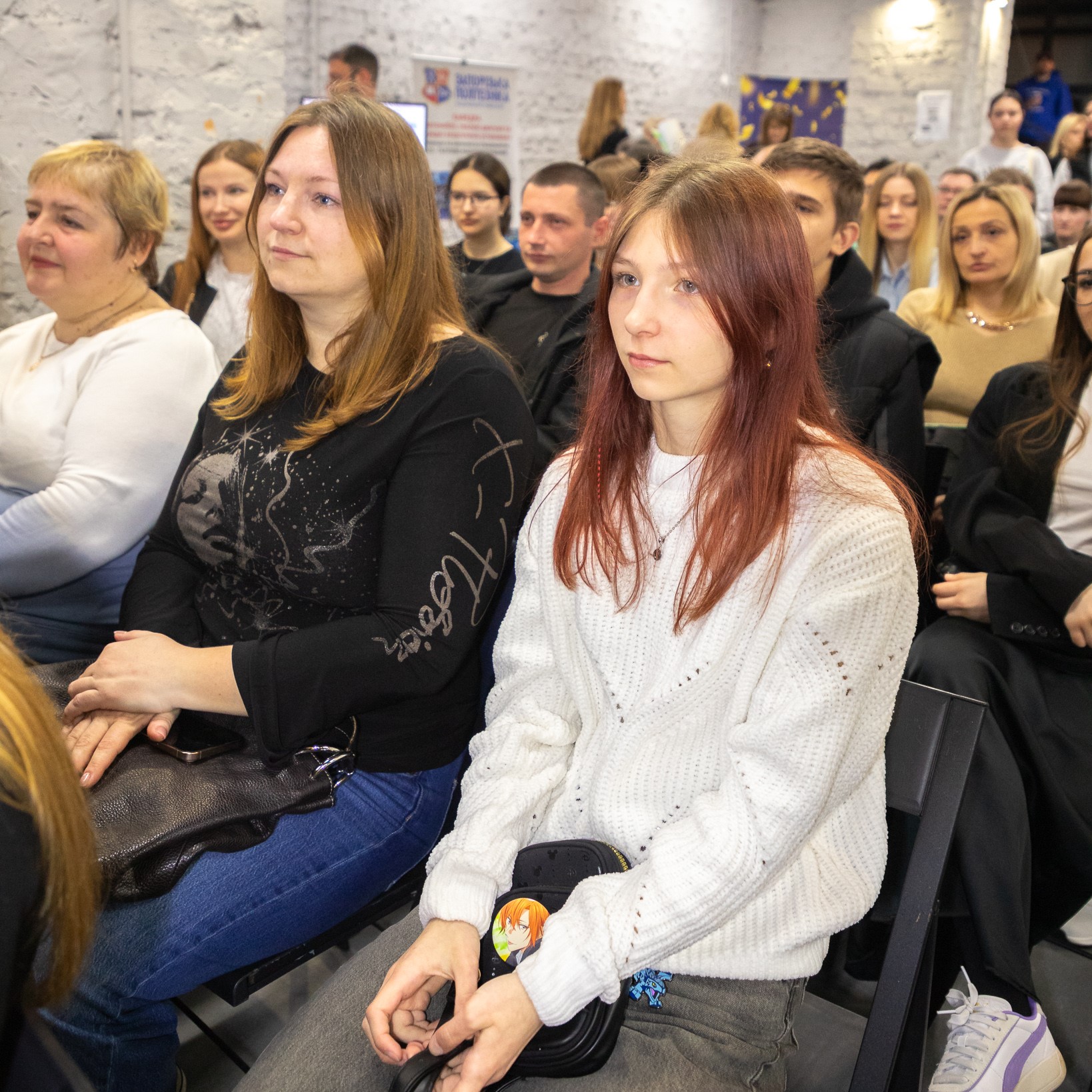
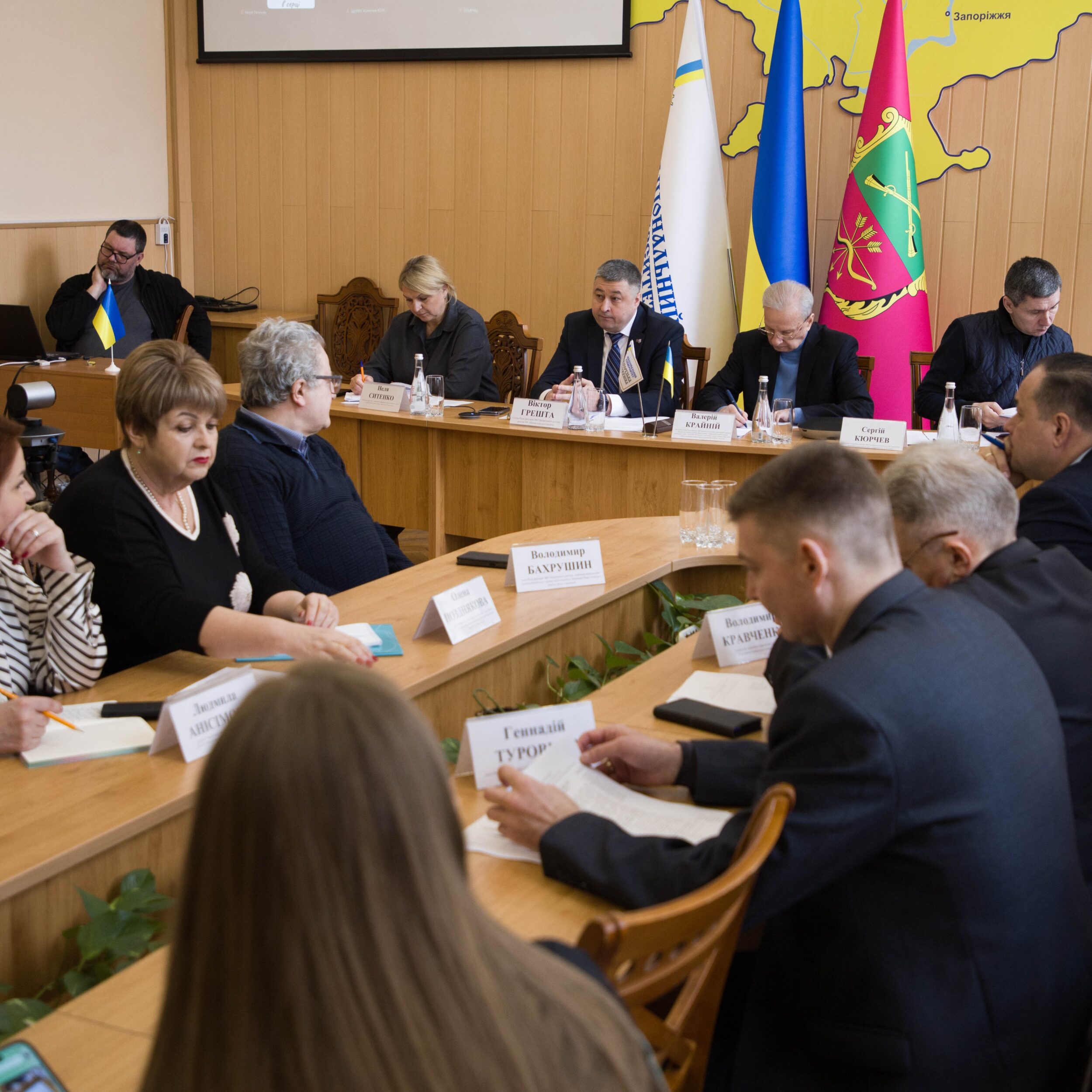
On May 27, the Zaporizhia Polytechnic National University hosted a training session called “Emotional Intelligence: The Key to a Culture of Dialogue and Effective Conflict Resolution.” The event was held within the framework of the project “Together We Can” of the Empowerment Program for Public Leaders in Ukraine, which is implemented by the NGO “Social Interaction”, NU “Zaporizhzhya Polytechnic” in cooperation with the NGO “Human Rights Foundation” (Kyiv) with the support of the Institute for Foreign Cultural Relations and the Ministry of Foreign Affairs of the Federal Republic of Germany.
The trainer was Tetyana Khitrova, who presented the main topics of the training to the participants:
— identifying ways to achieve understanding and overcoming conflicts in society
— the importance of dialogue, diplomacy and mediation for maintaining mutual understanding
— the importance of emotional intelligence for a person and why, sometimes, it is more important than IQ
— the ability to understand and control one’s own emotions
— the role of a person’s self-identification for a sense of happiness
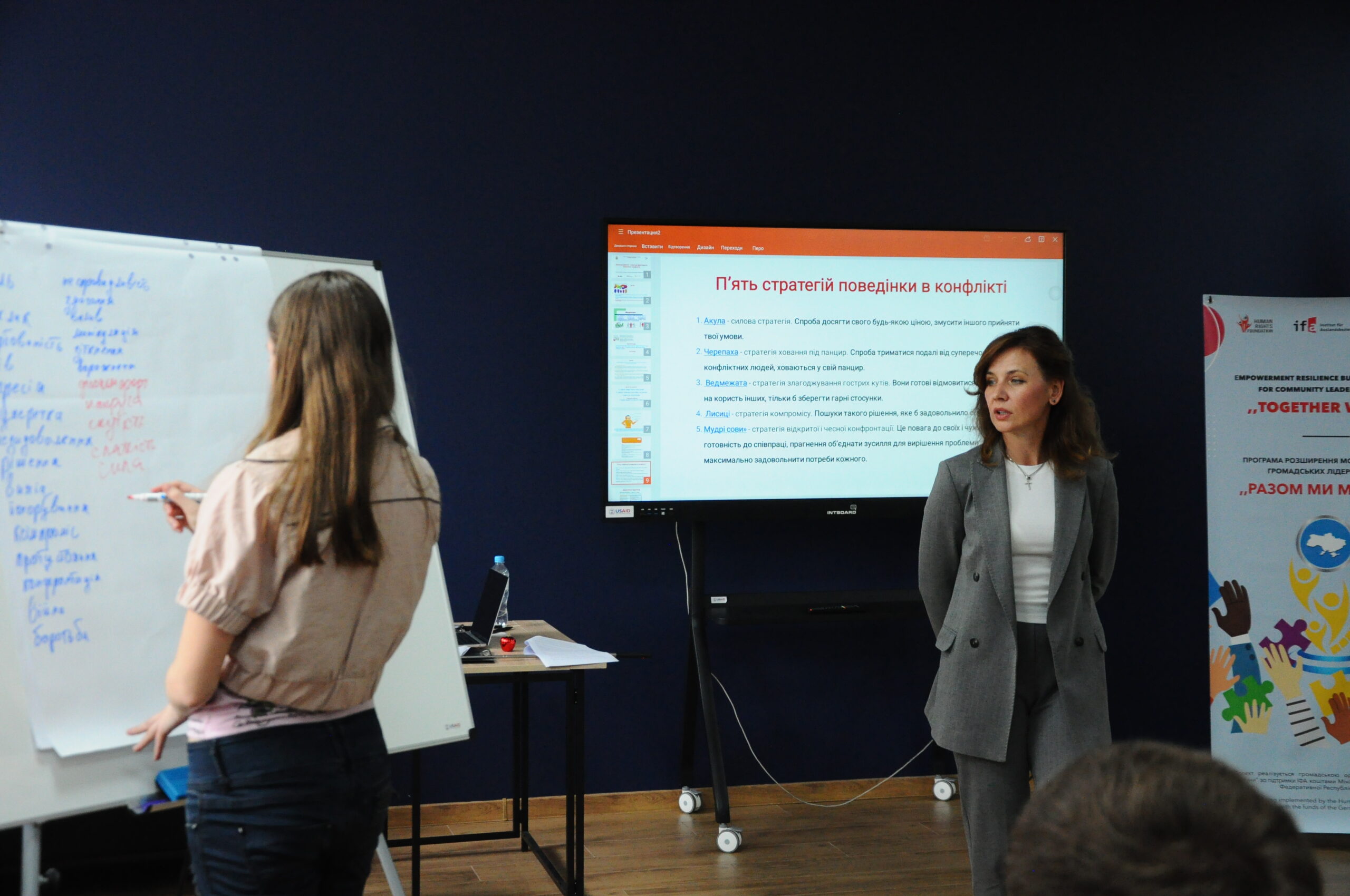
The event was divided into three conditional blocks during which the trainer focused on different aspects of the training topic. The first block was dedicated to the theory of emotional intelligence, as well as its role for people in society. The participants considered cases of conflict situations and analyzed ways to resolve them. Within this block, the trainer proposed a clear plan for conducting a dialogue that can be adapted to complex life situations.
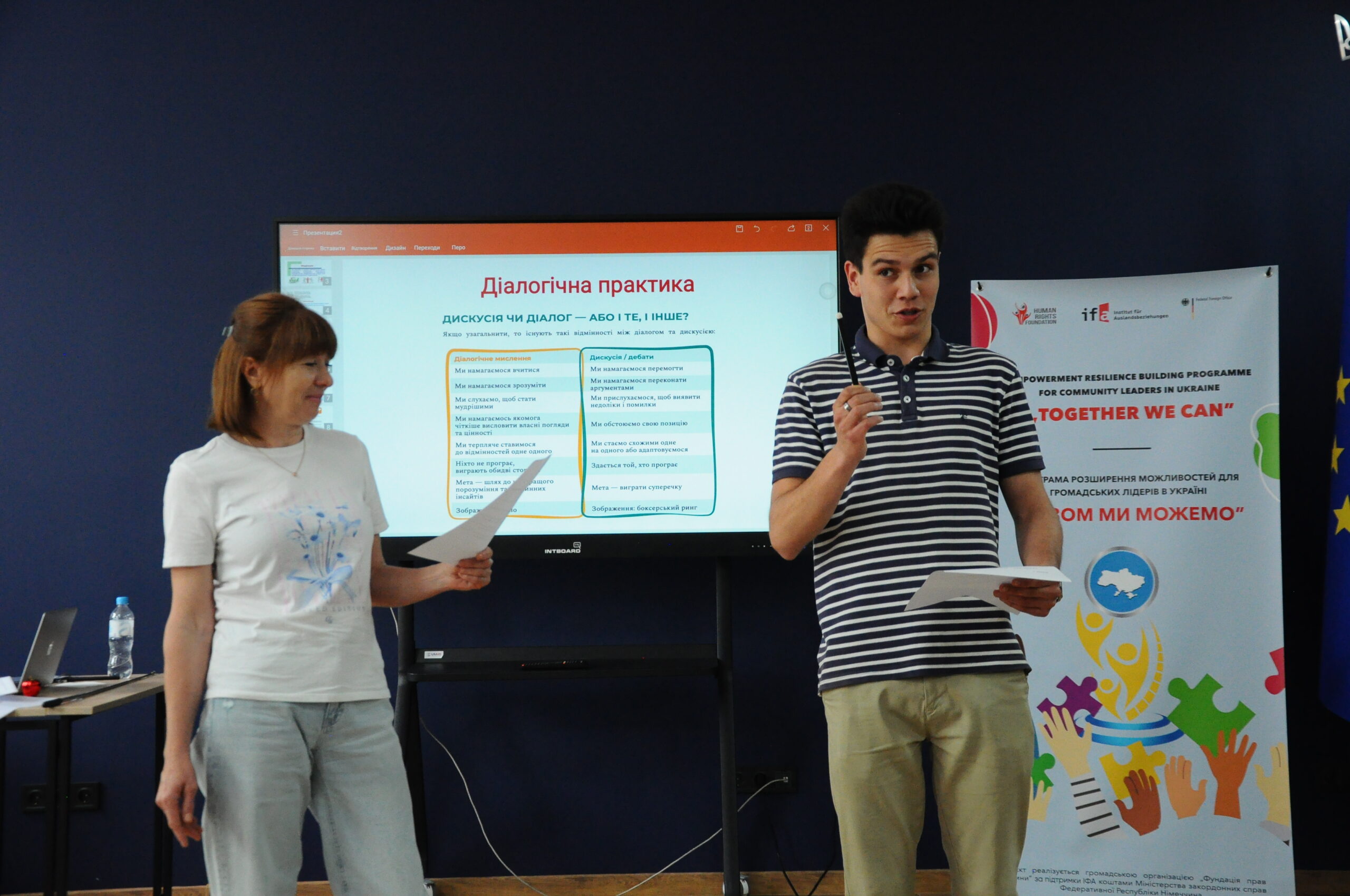
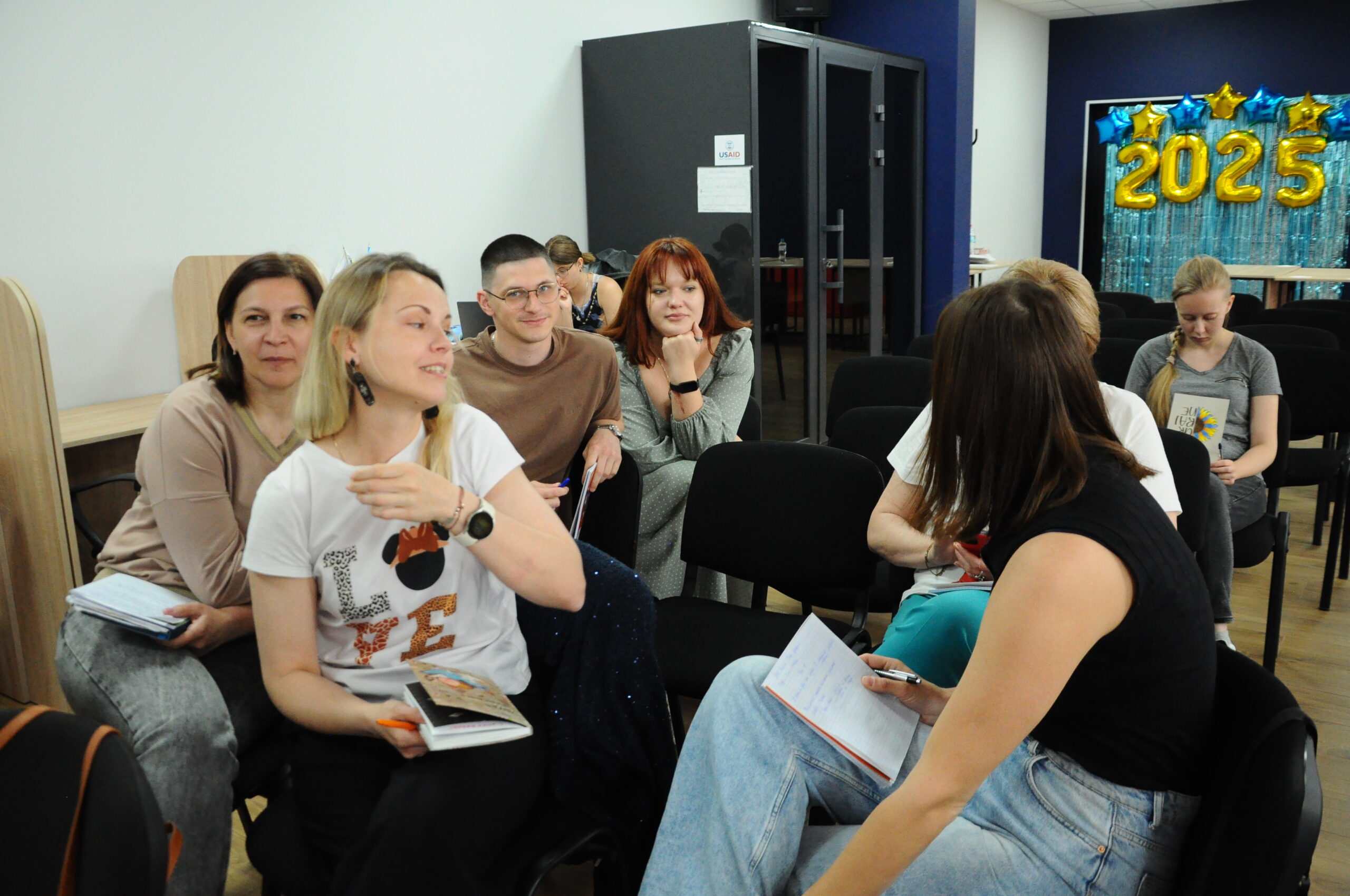
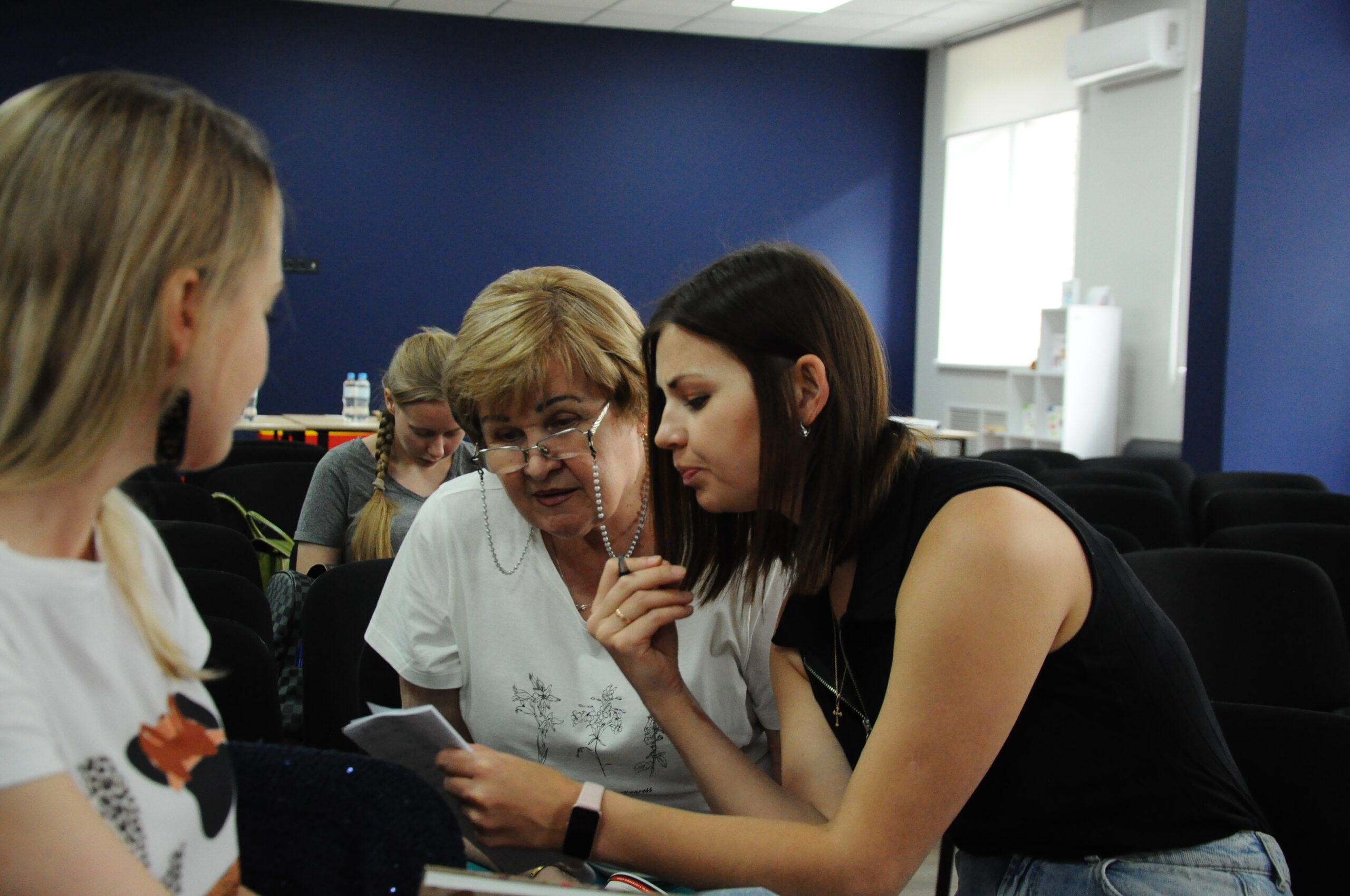
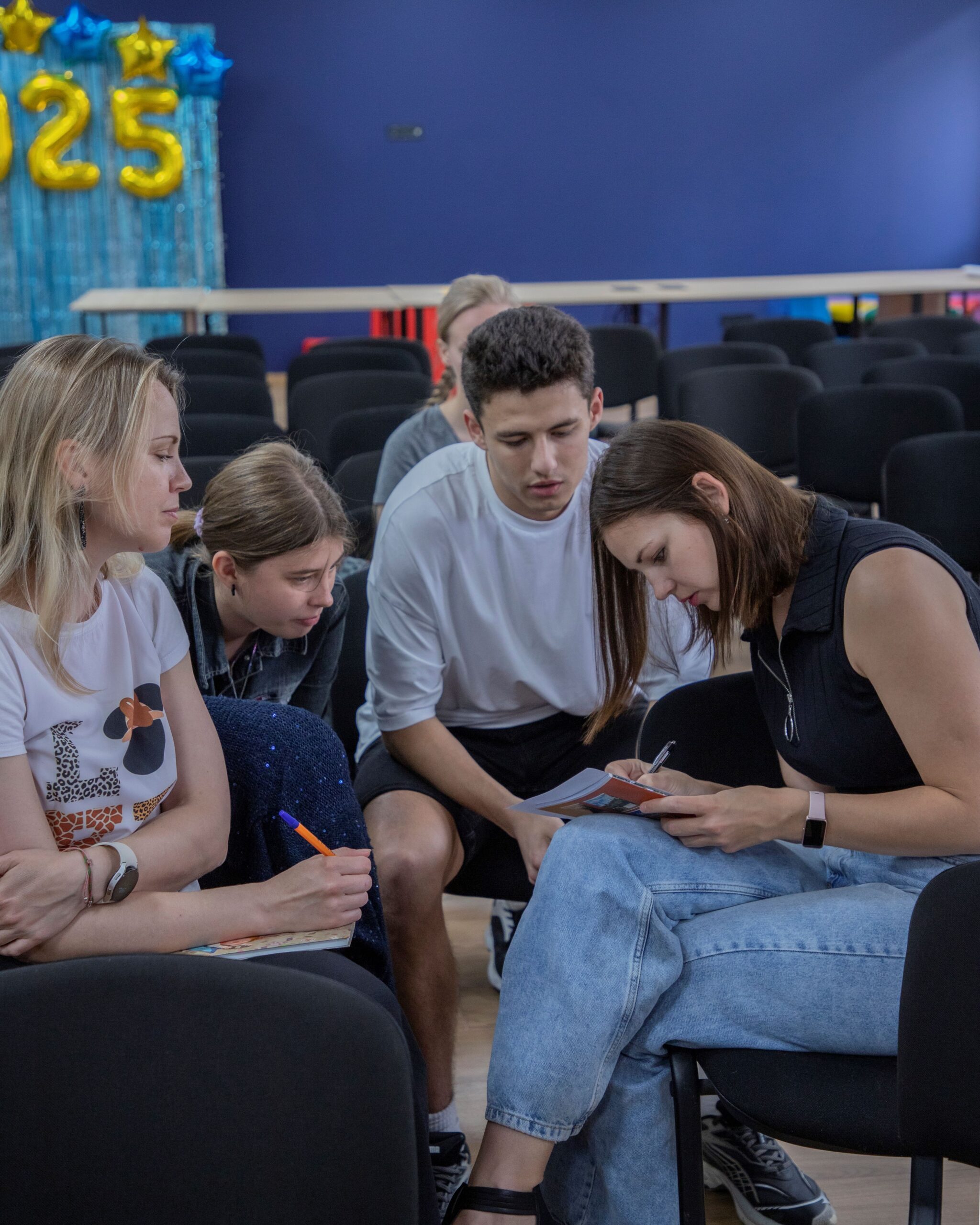
The second block, Ms. Tetyana focused on the theory of dialogic thinking: she demonstrated the difference between ecological communication and conflict. Students also worked in teams on tasks to master the culture of dialogue, which encouraged the formation of an argumentative type of communication.
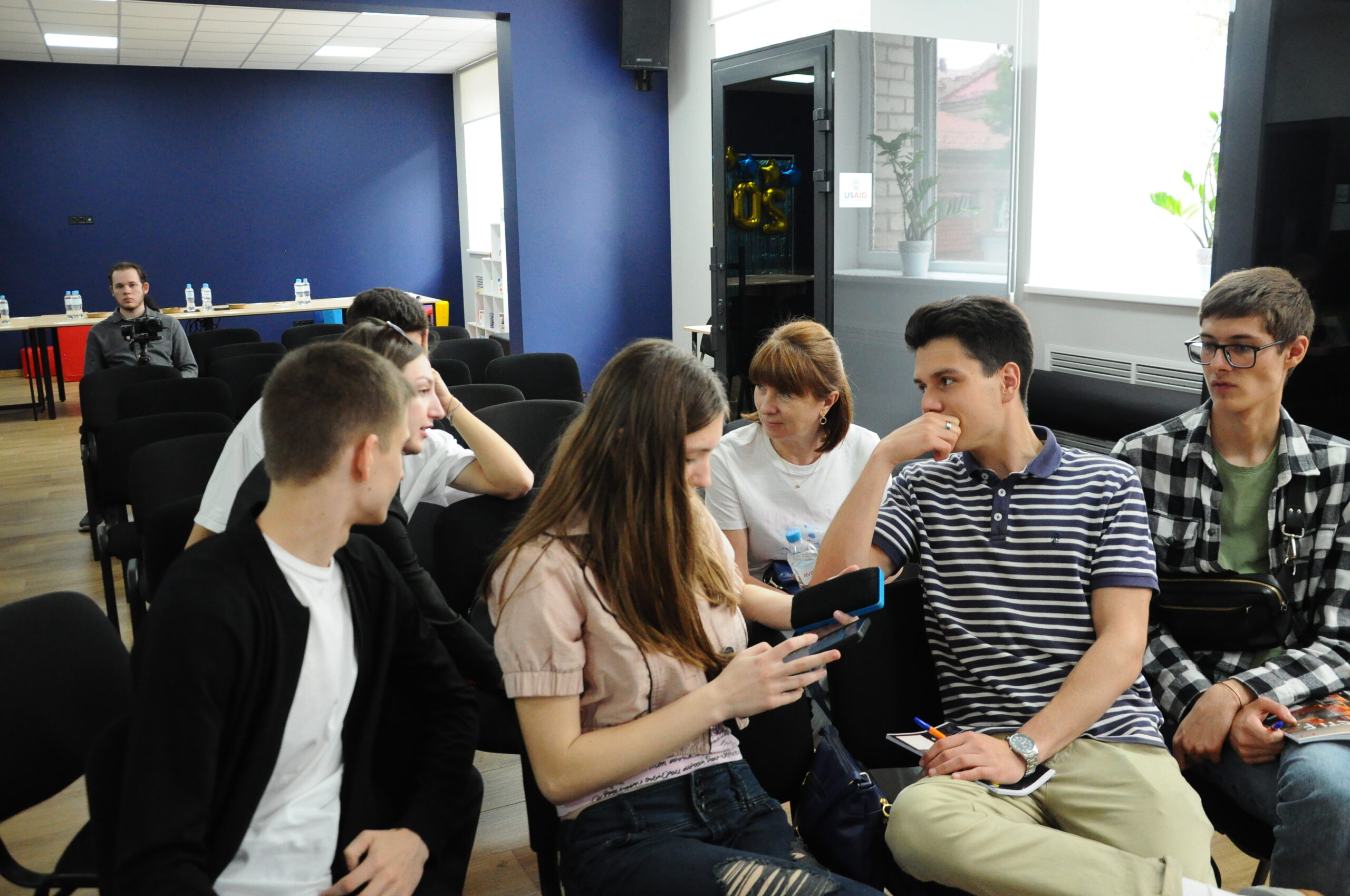
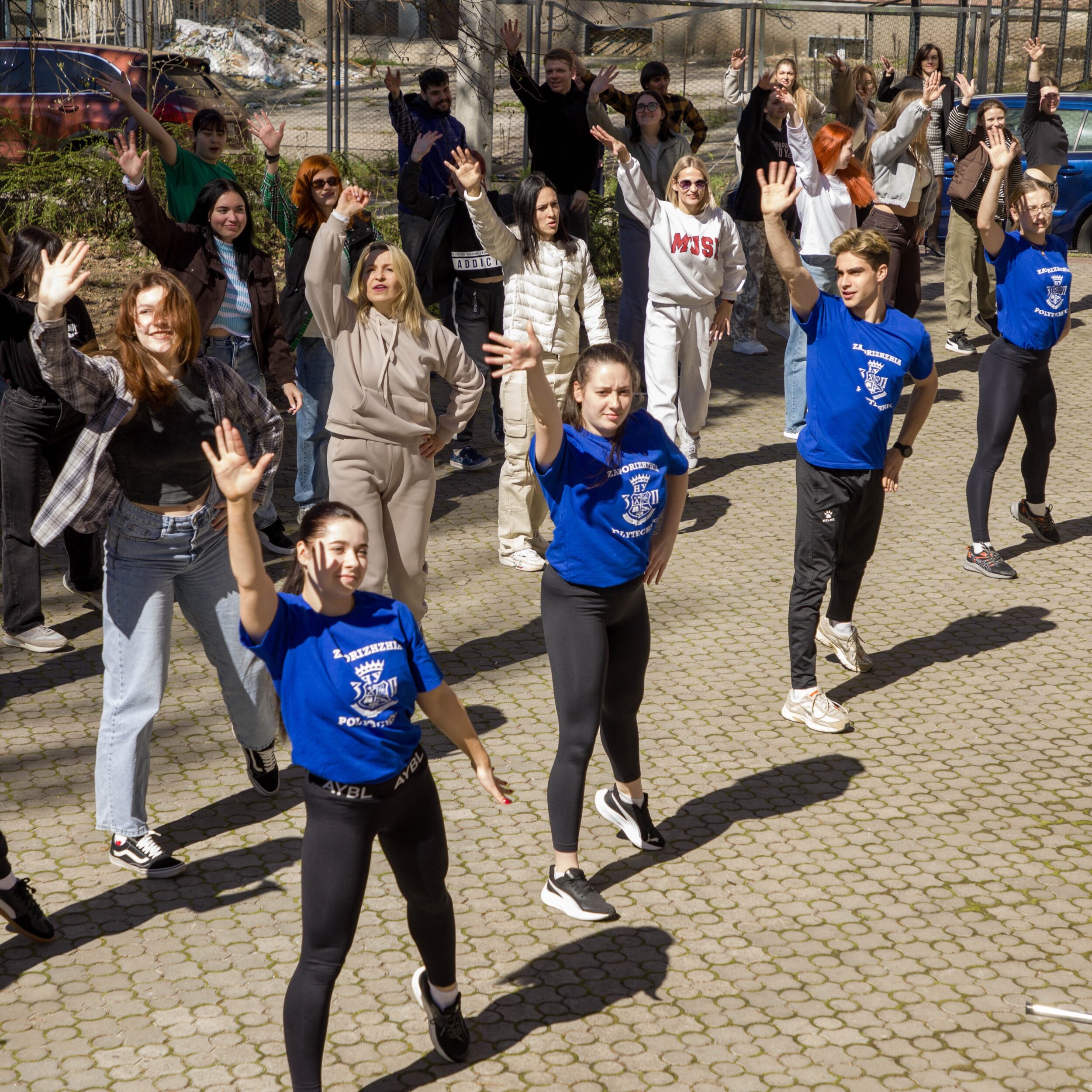
During the third block, participants learned to distinguish emotions not only by the atmosphere, but also by the body language of the interlocutor. A set of interactive exercises allowed participants to understand that the human body and mind are parts of one system, therefore the physical and emotional state are closely interconnected, and emotions affect the efficiency and effectiveness of the dialogue.
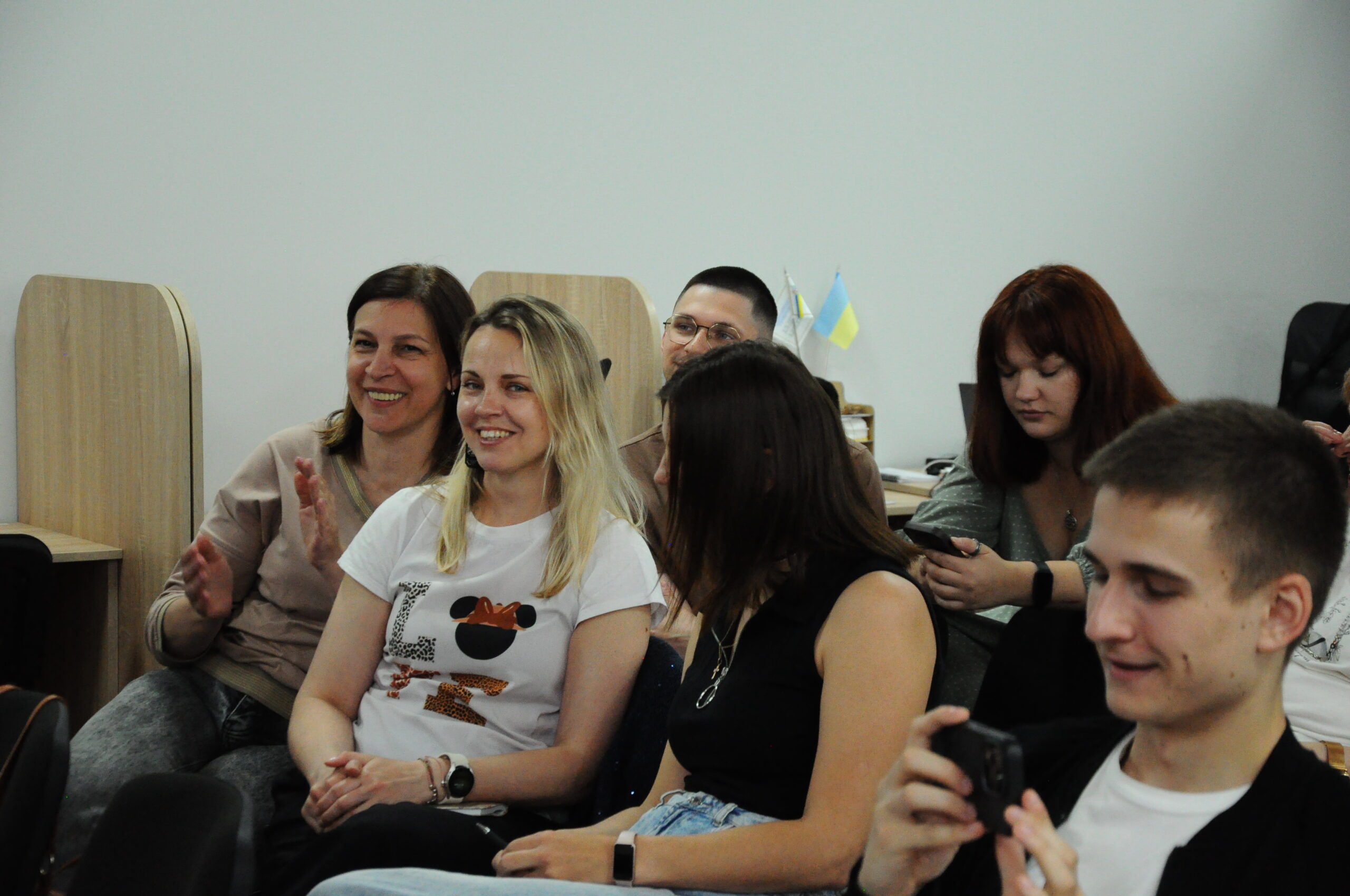
During the training, the speaker encouraged participants to engage in active dialogue and asked the main question of the event, “Who are you?” It was supposed to form in students the concept of themselves and their values, which are the foundations of human emotional intelligence.
Working together – developing together!