Ruslan Kulikovsky, Vice-Rector of Zaporizhia Polytechnic National University, took part in the Annual Conference of the European University Association (EUA)

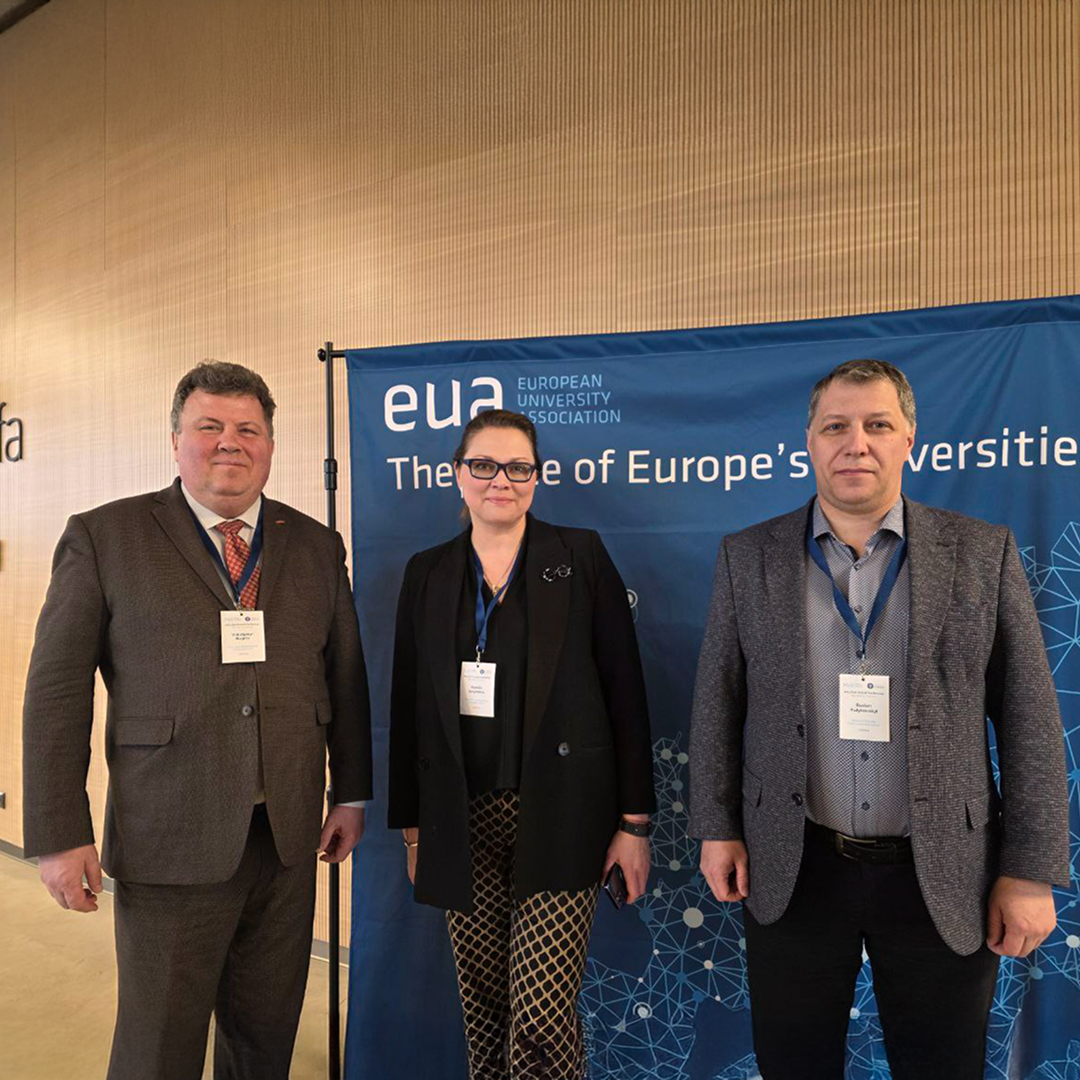
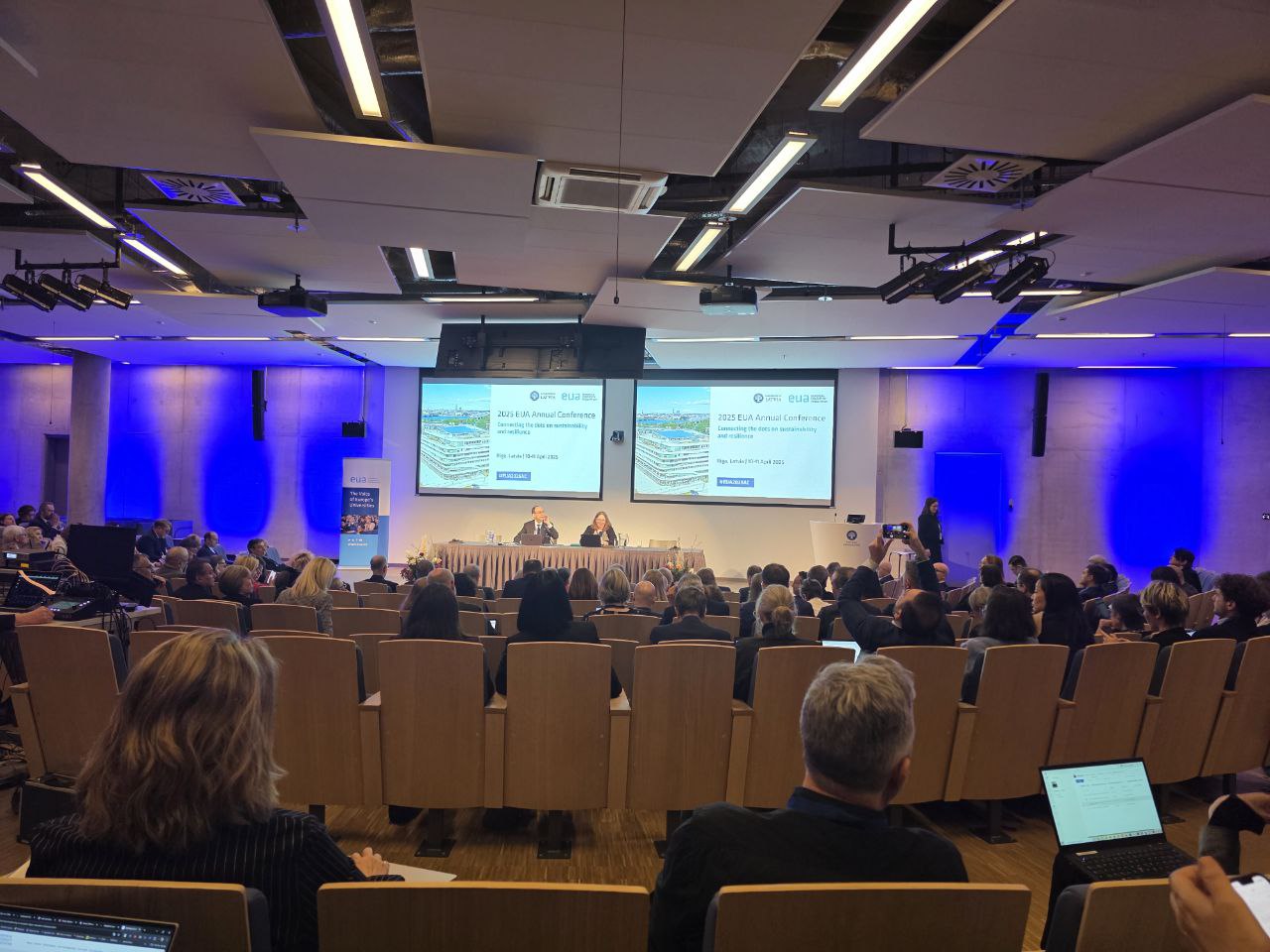
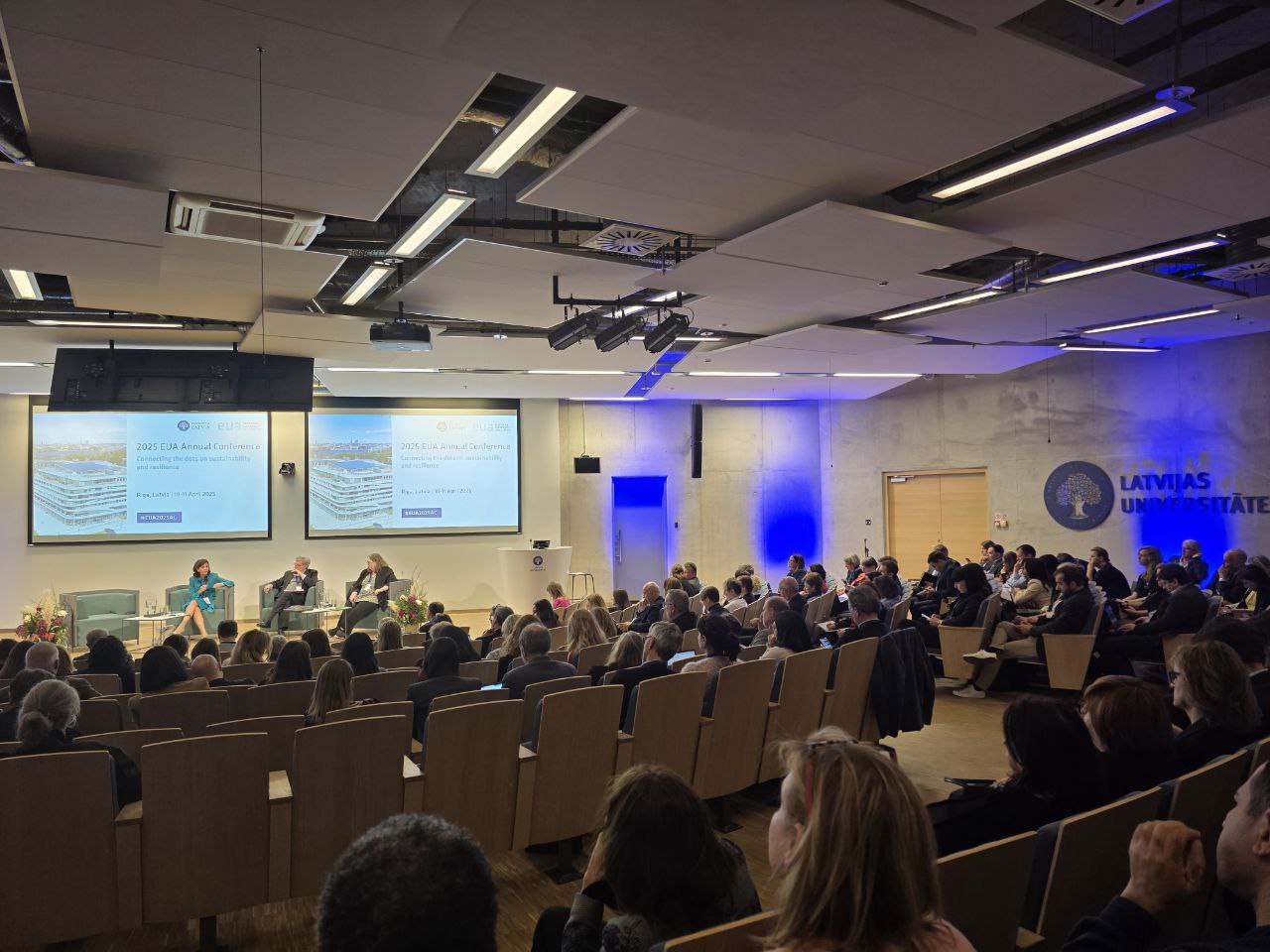
Pro-Rector of Zaporizhia Polytechnic National University Ruslan Kulikovsky took part in the Annual Conference of the European University Association (EUA), which began on April 10 at the University of Latvia (Riga). The theme of this year’s conference — “Connecting the dots on sustainable development and resilience” — is extremely relevant for Zaporizhia Polytechnic in view of our development strategy.
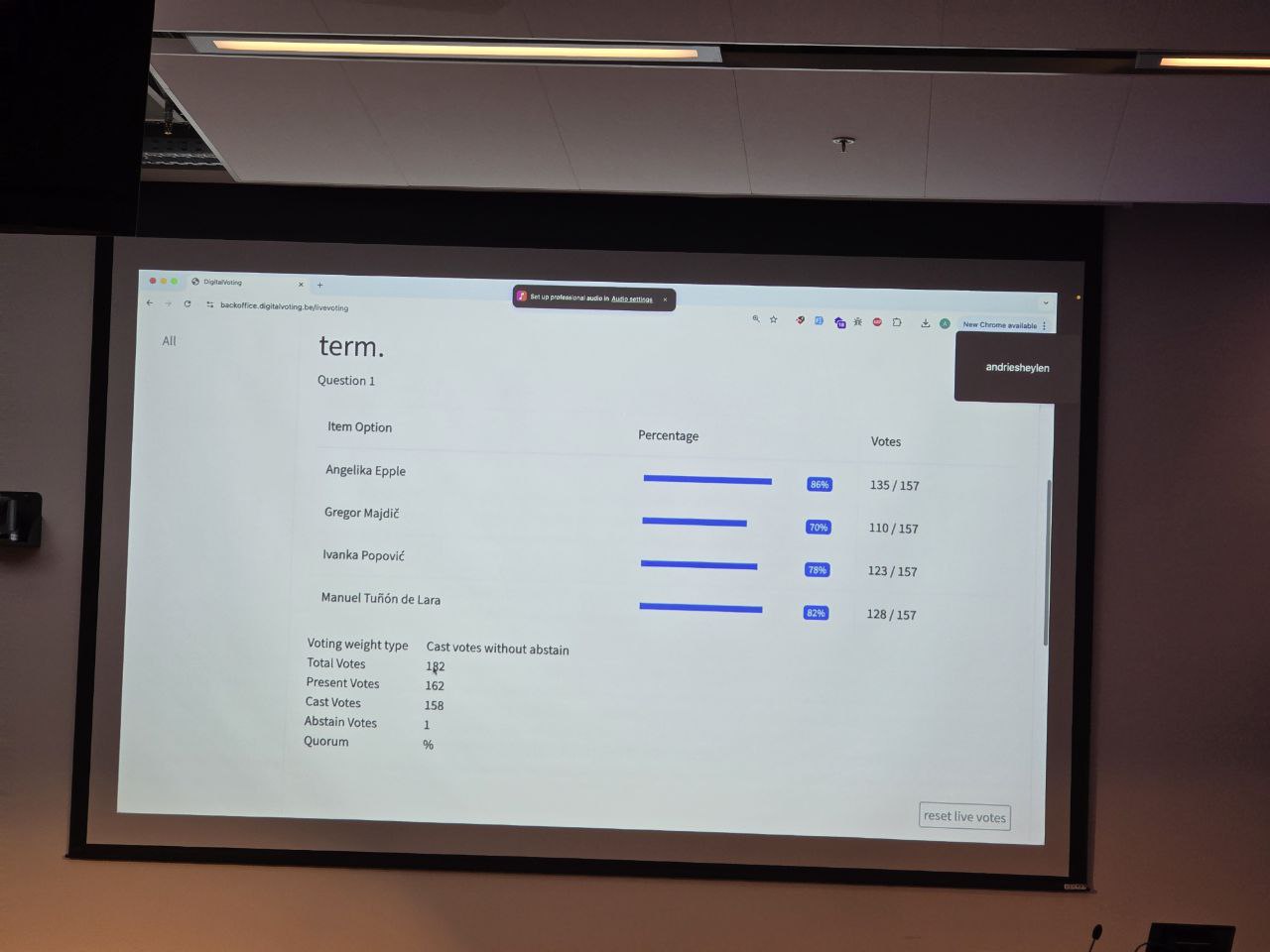
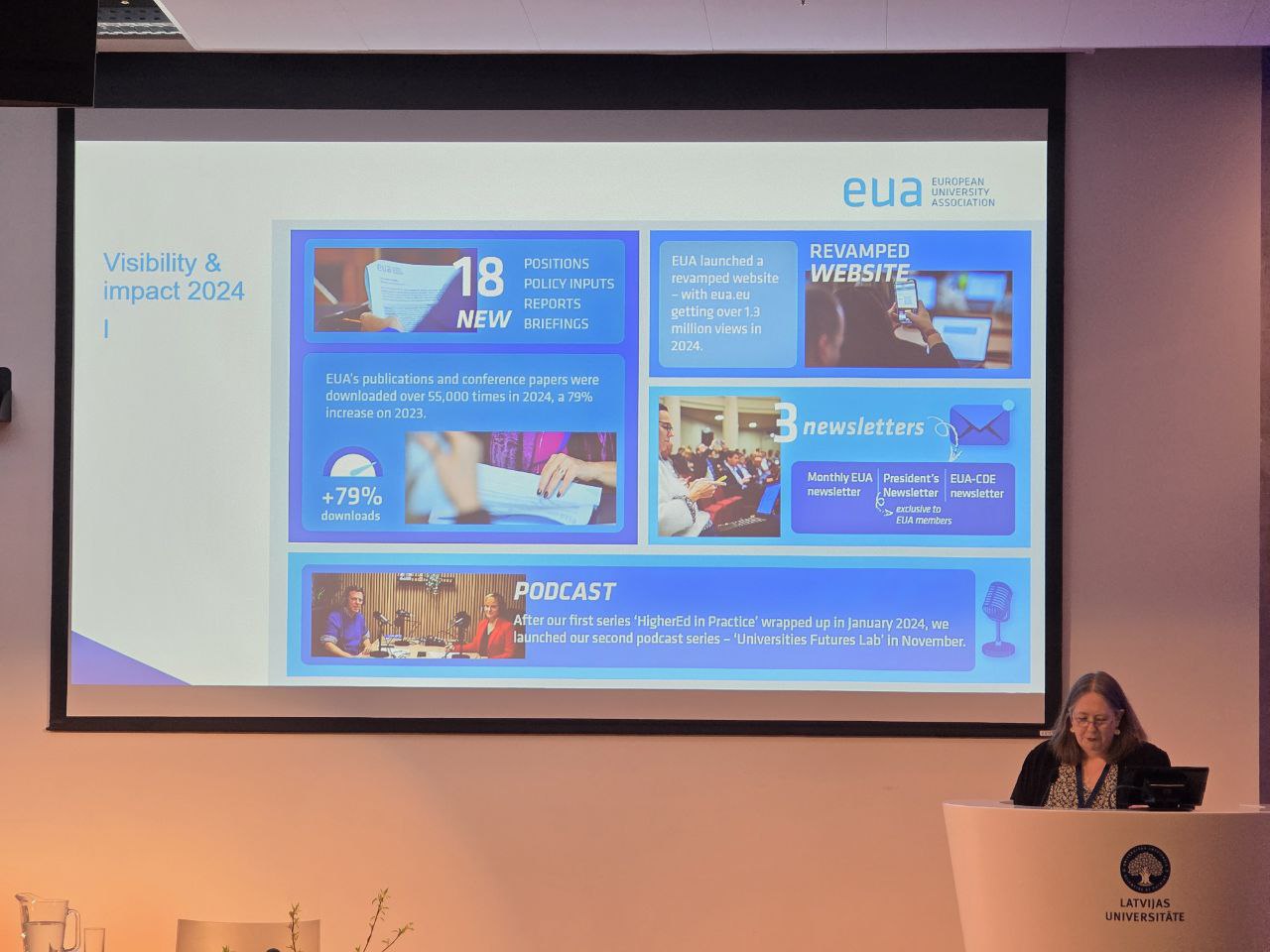
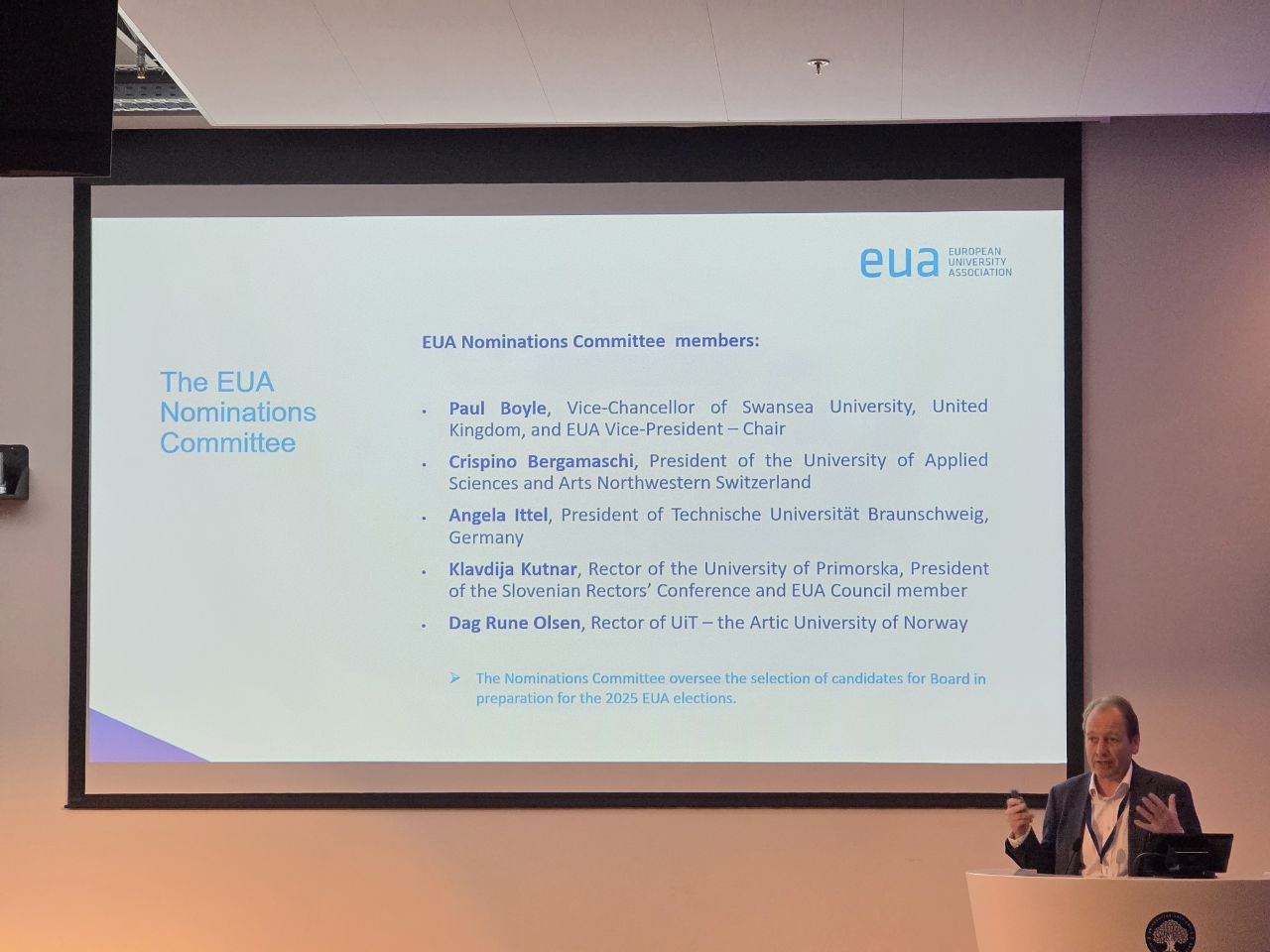
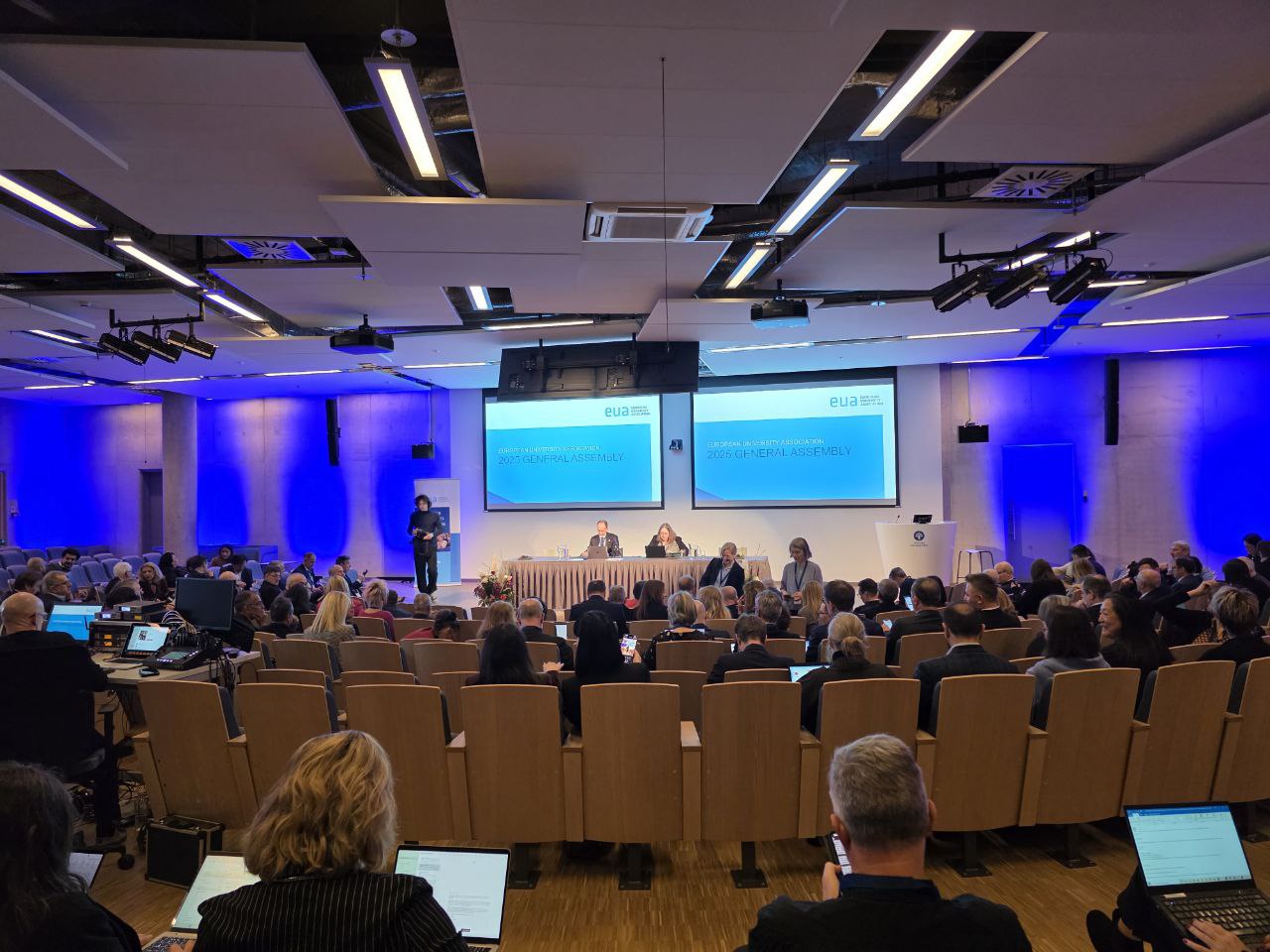
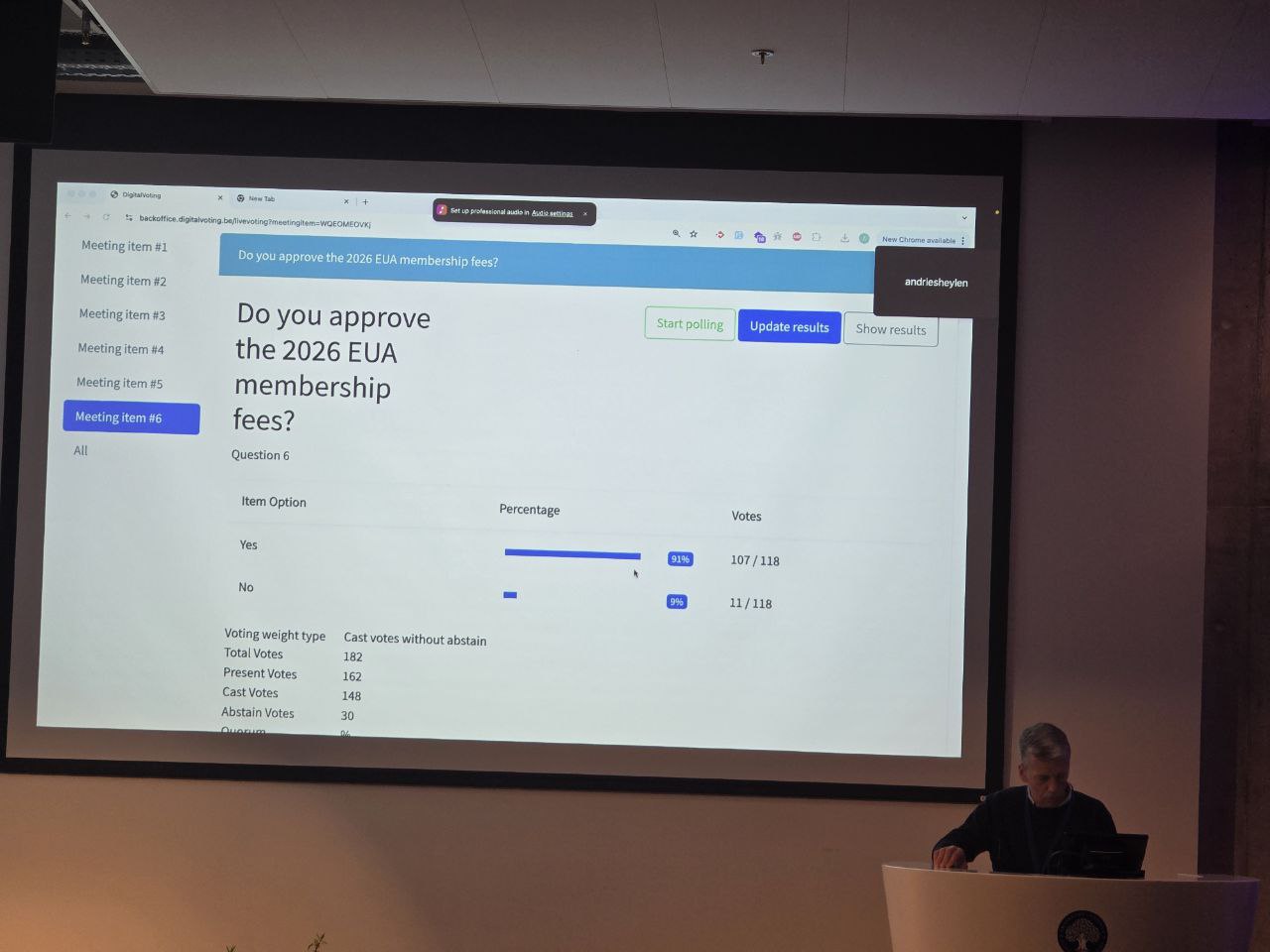
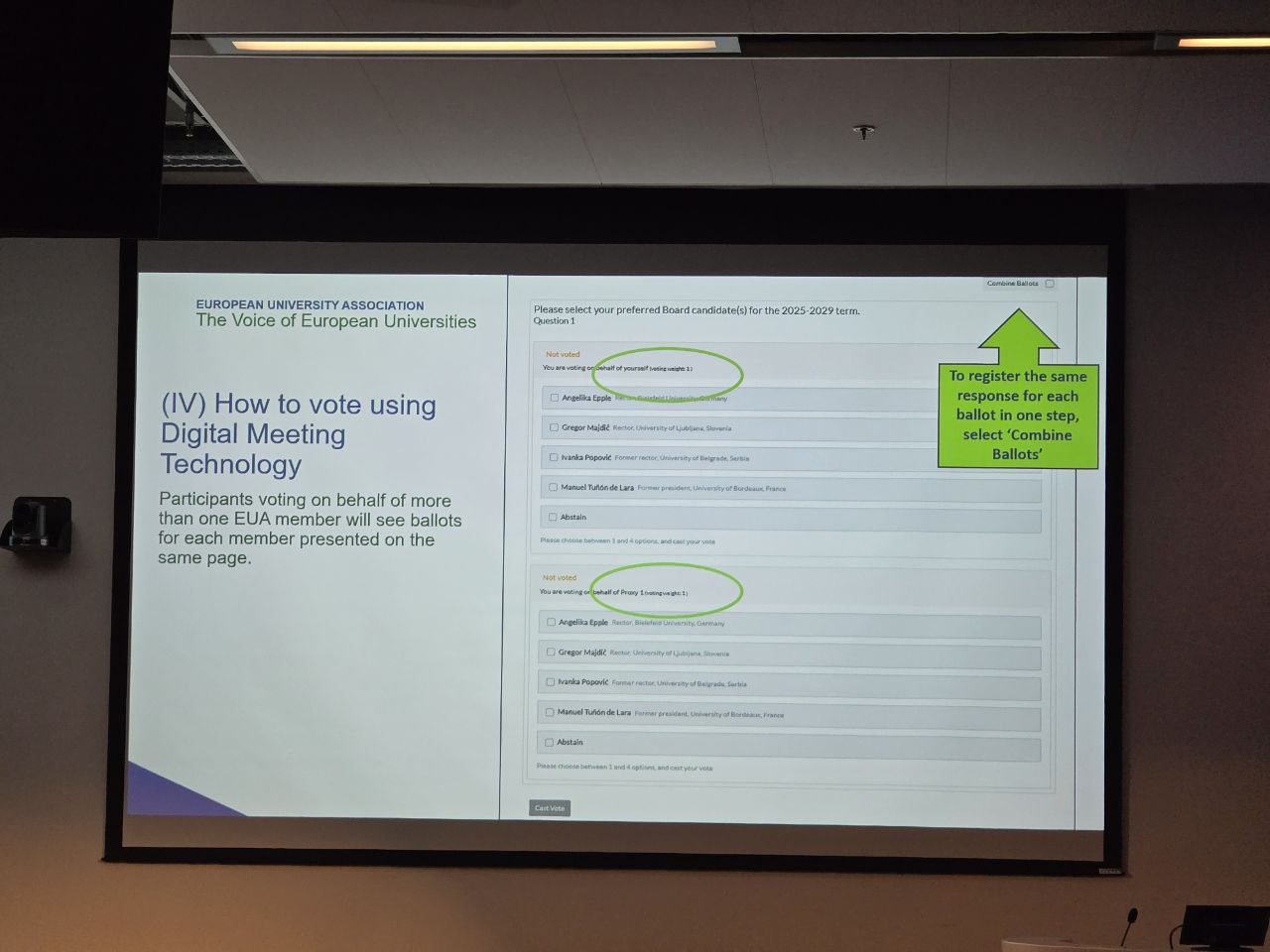
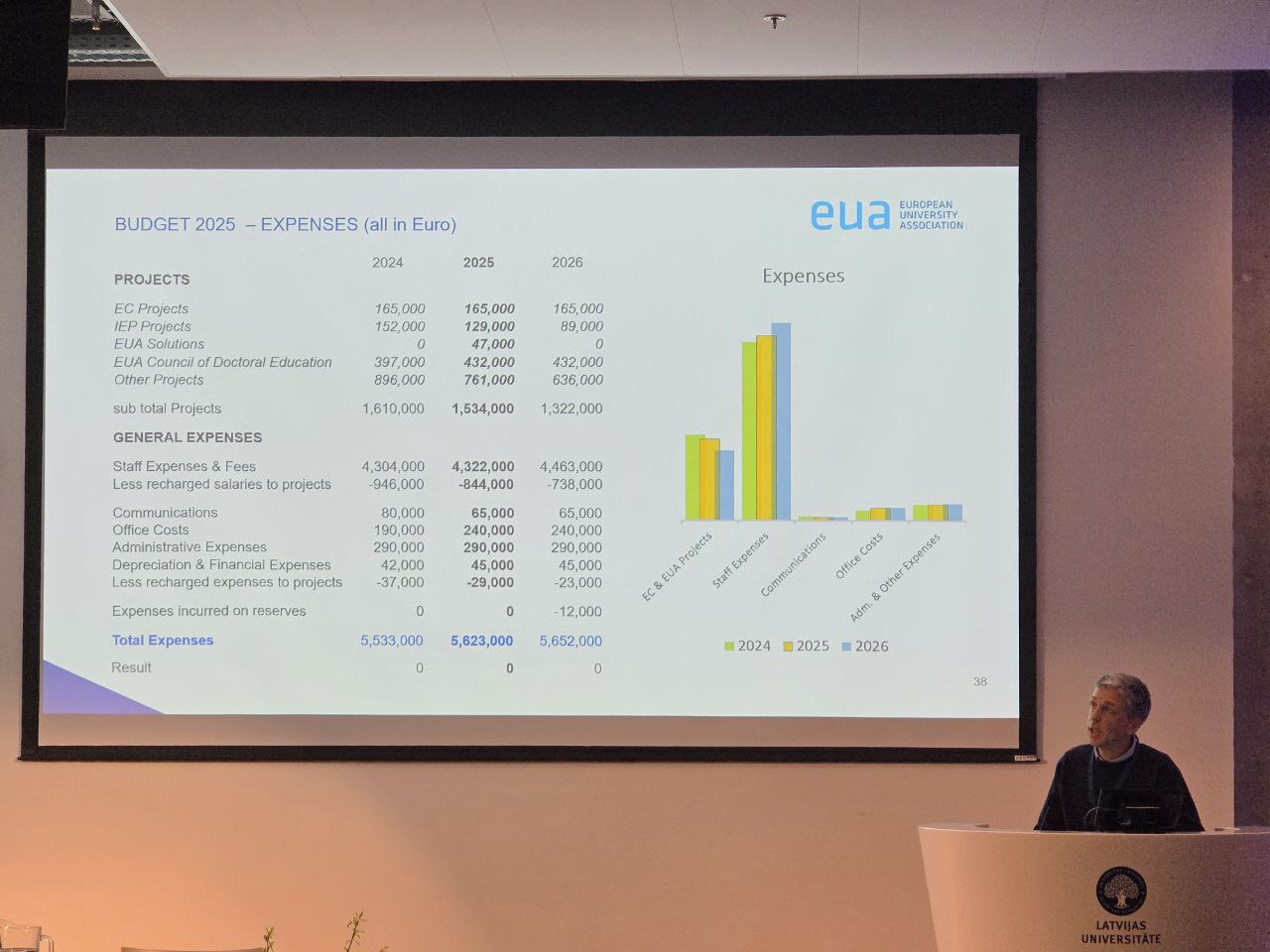
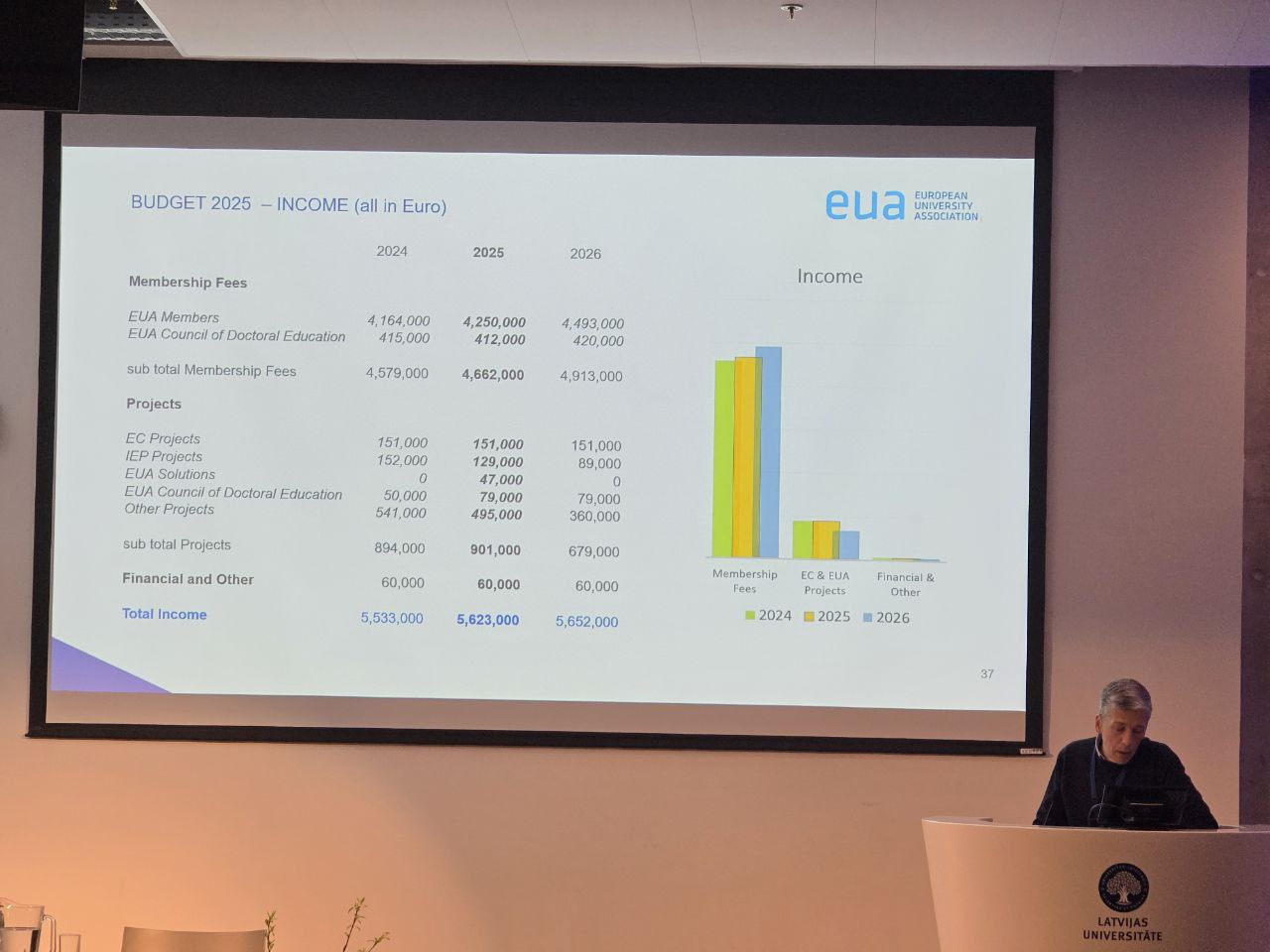
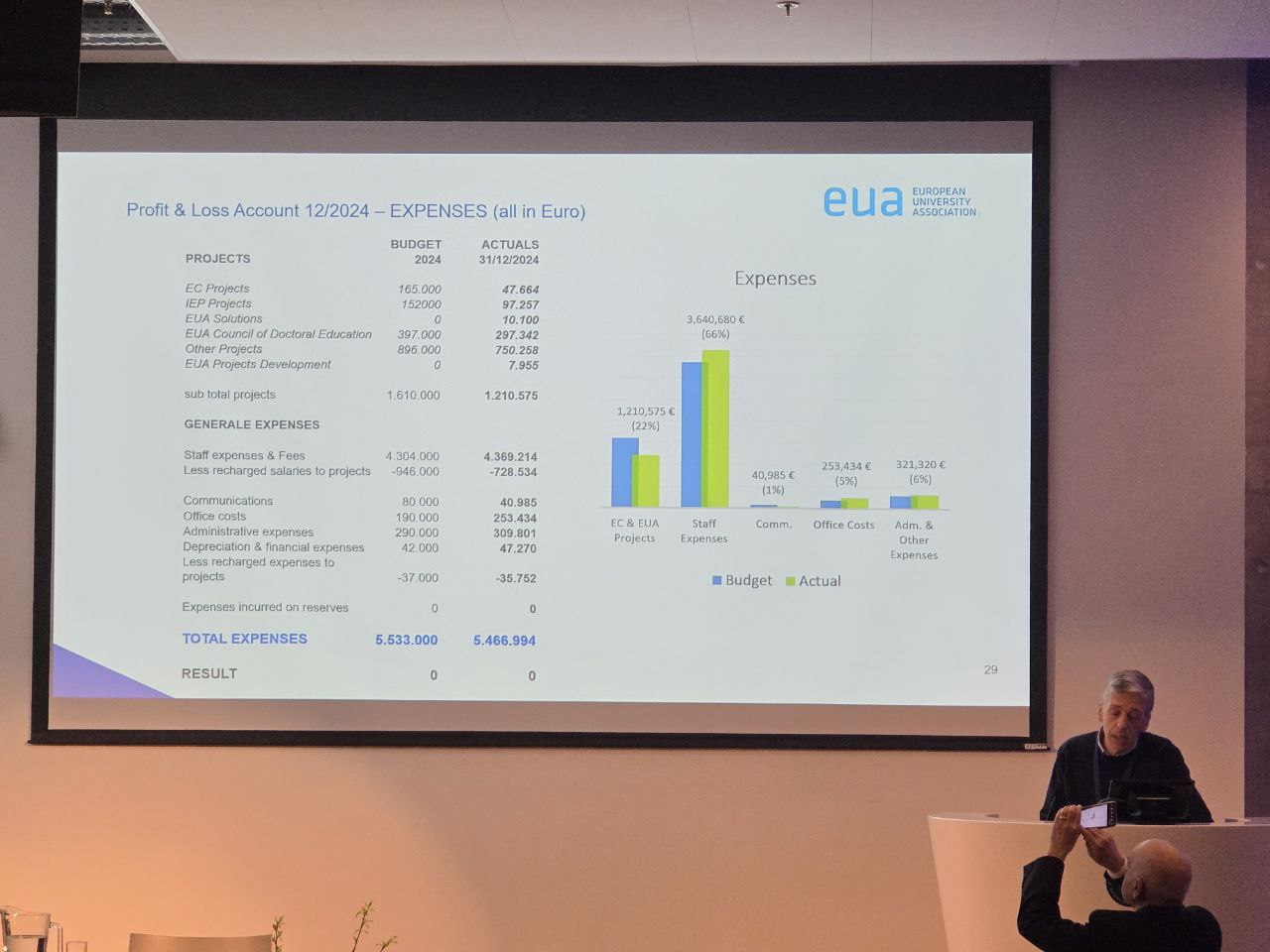
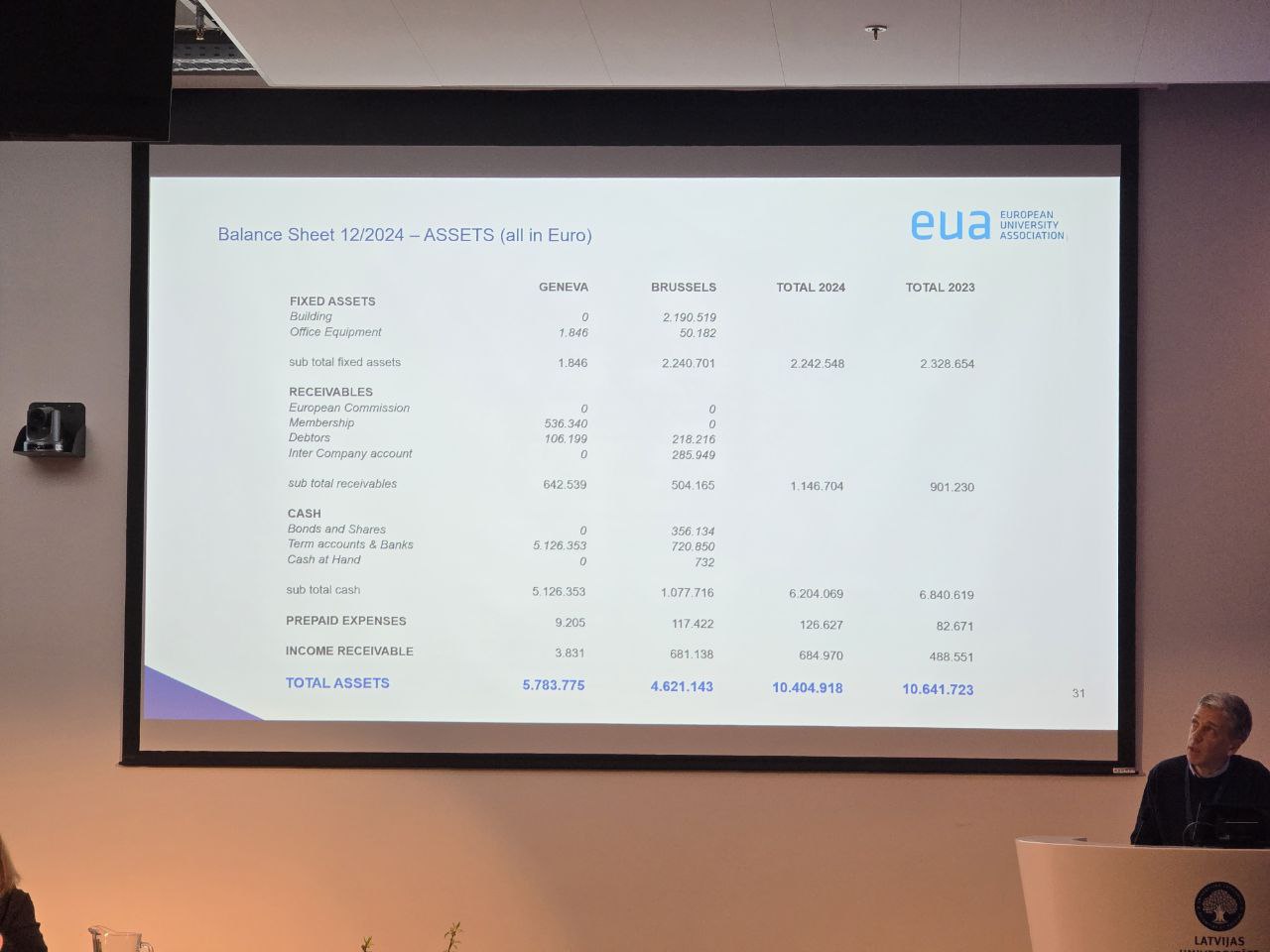
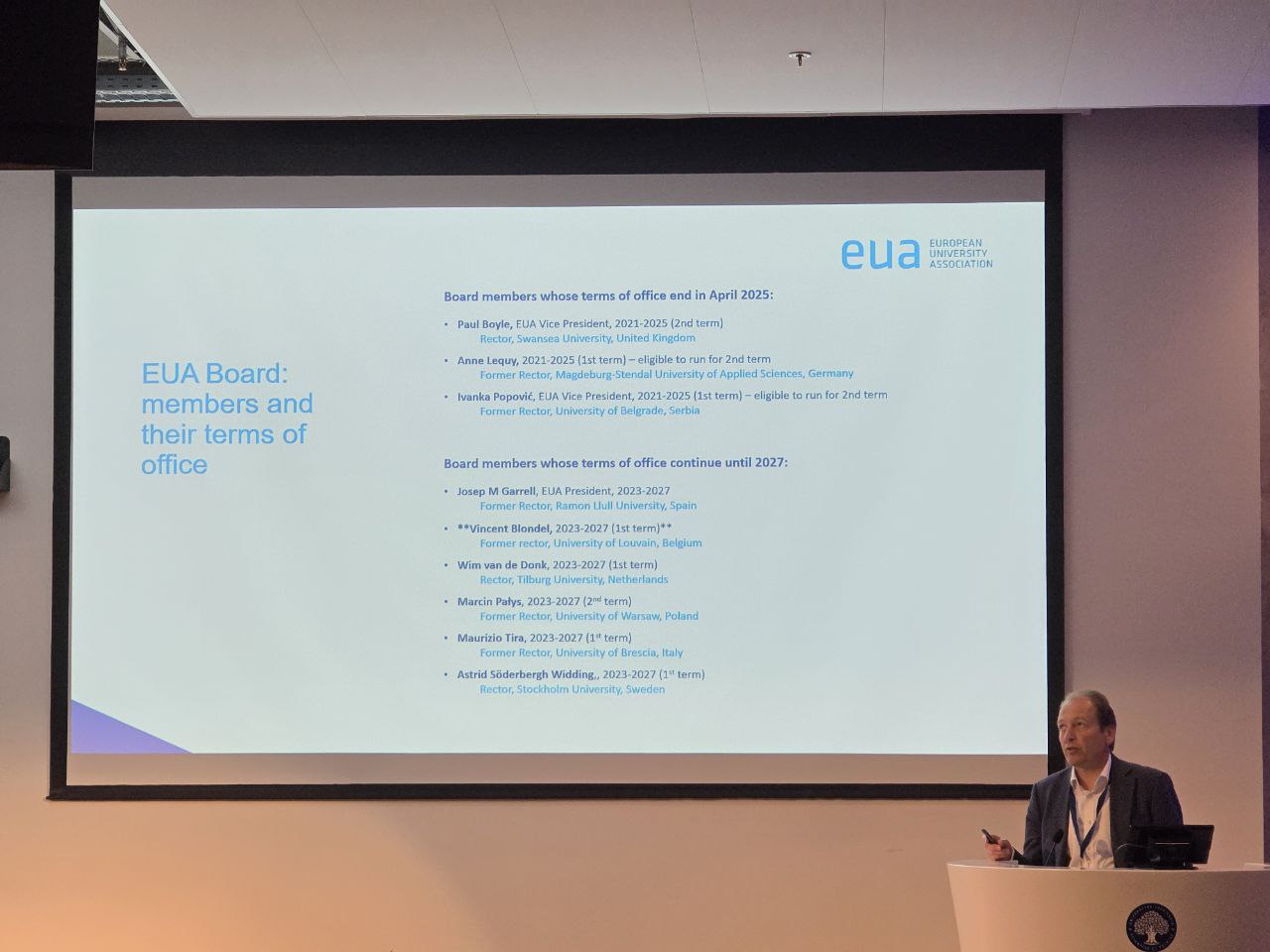
The first day of the conference began with a meeting of the EUA General Assembly, open to representatives of member universities and affiliated organizations. During the meeting, key issues of the association’s development were discussed, and four new members of the EUA Council for the period 2025–2029 were elected.
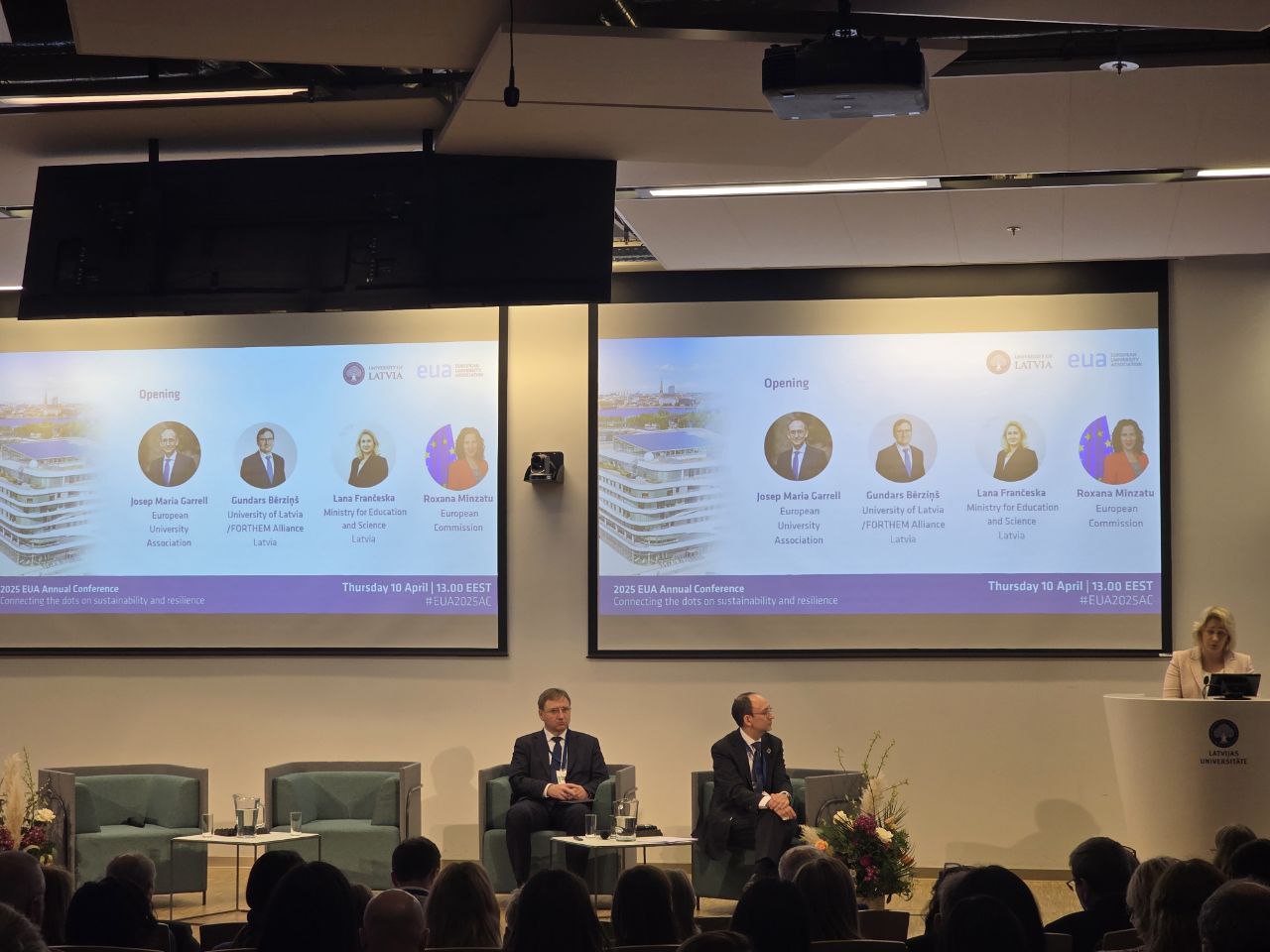
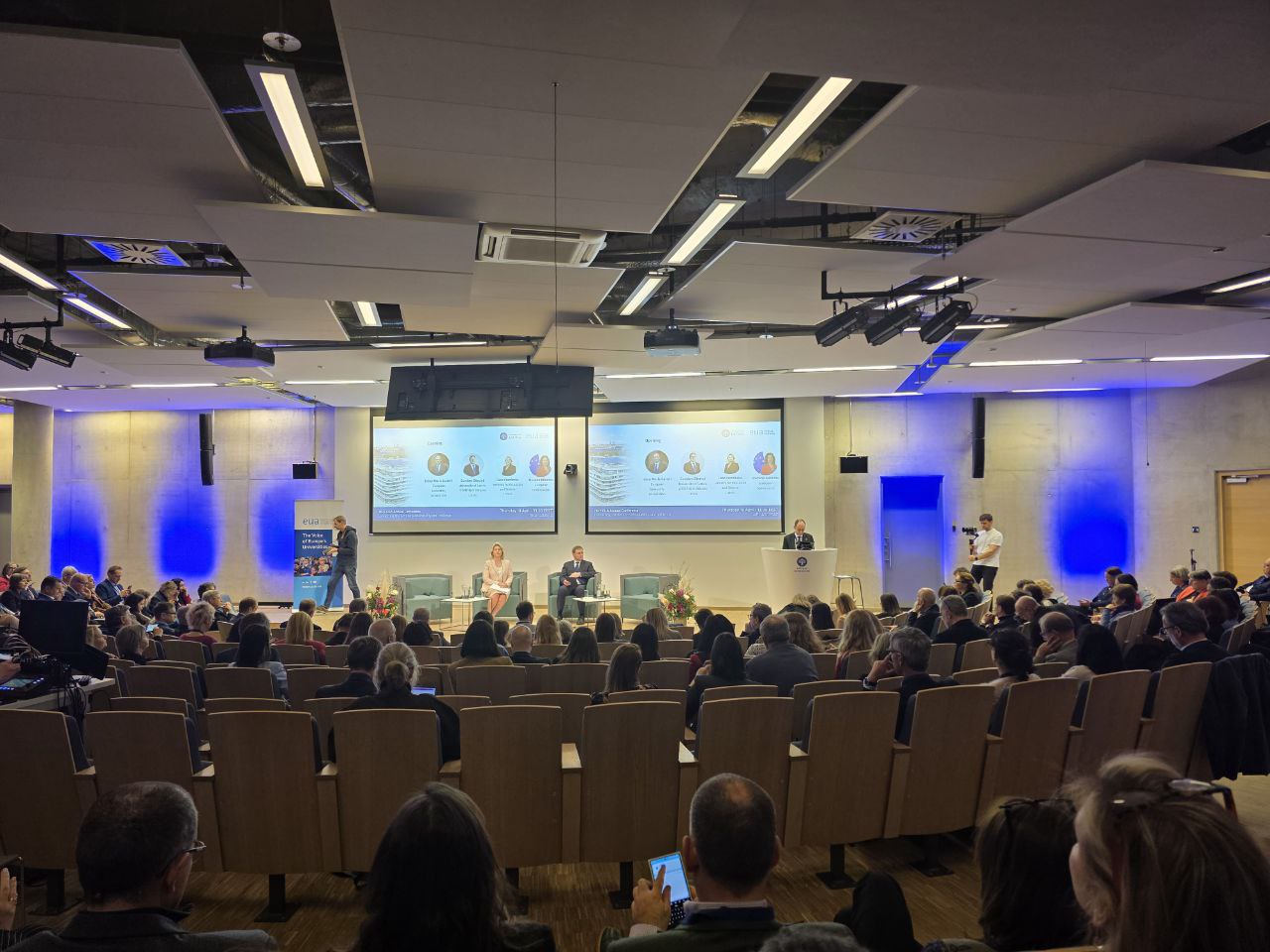
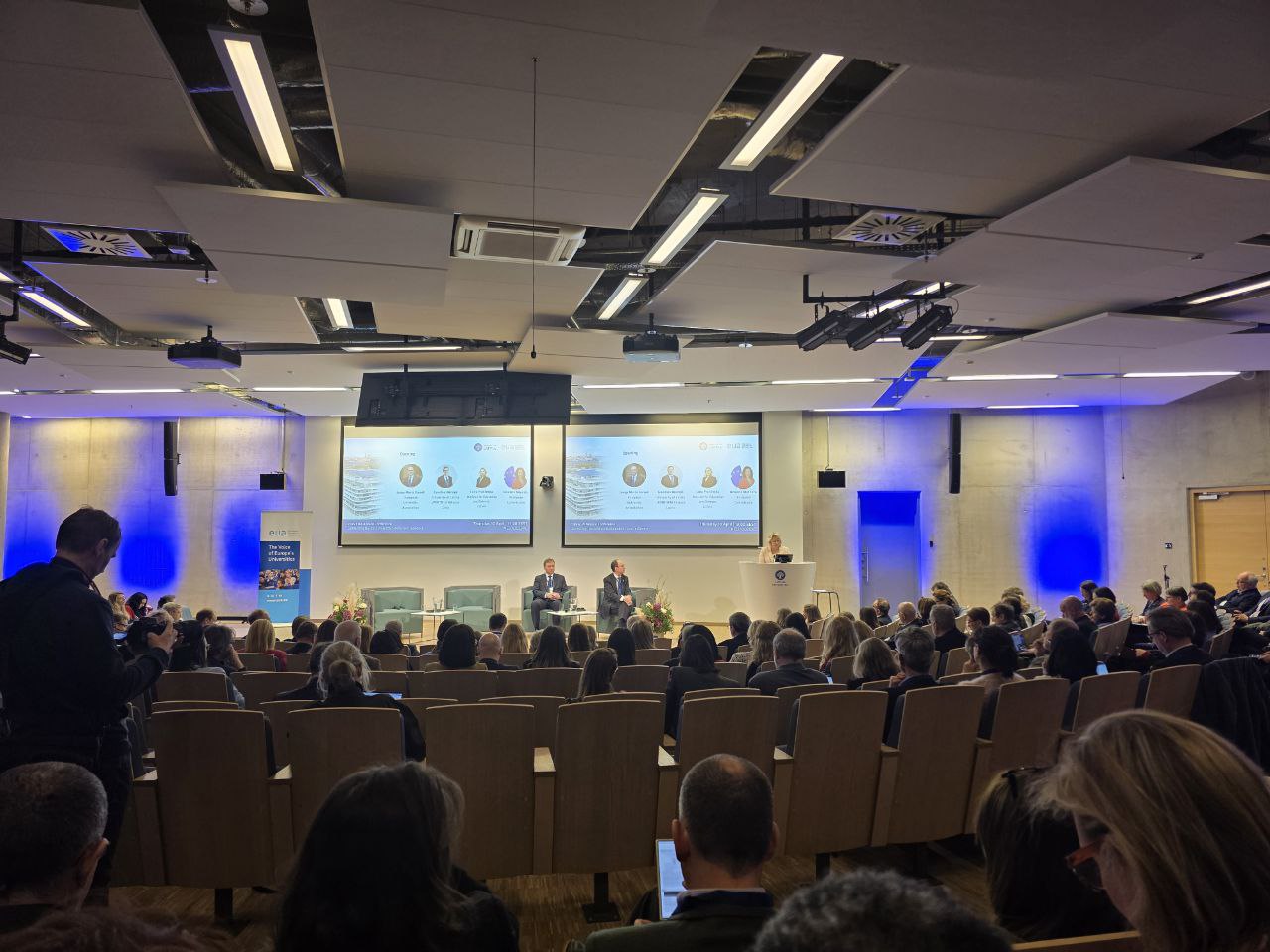
The participants were welcomed by EUA President Josep Maria Garrel, Rector of the University of Latvia Gundars Berzins, and representative of the Ministry of Education and Science of Latvia Lana Franceska.
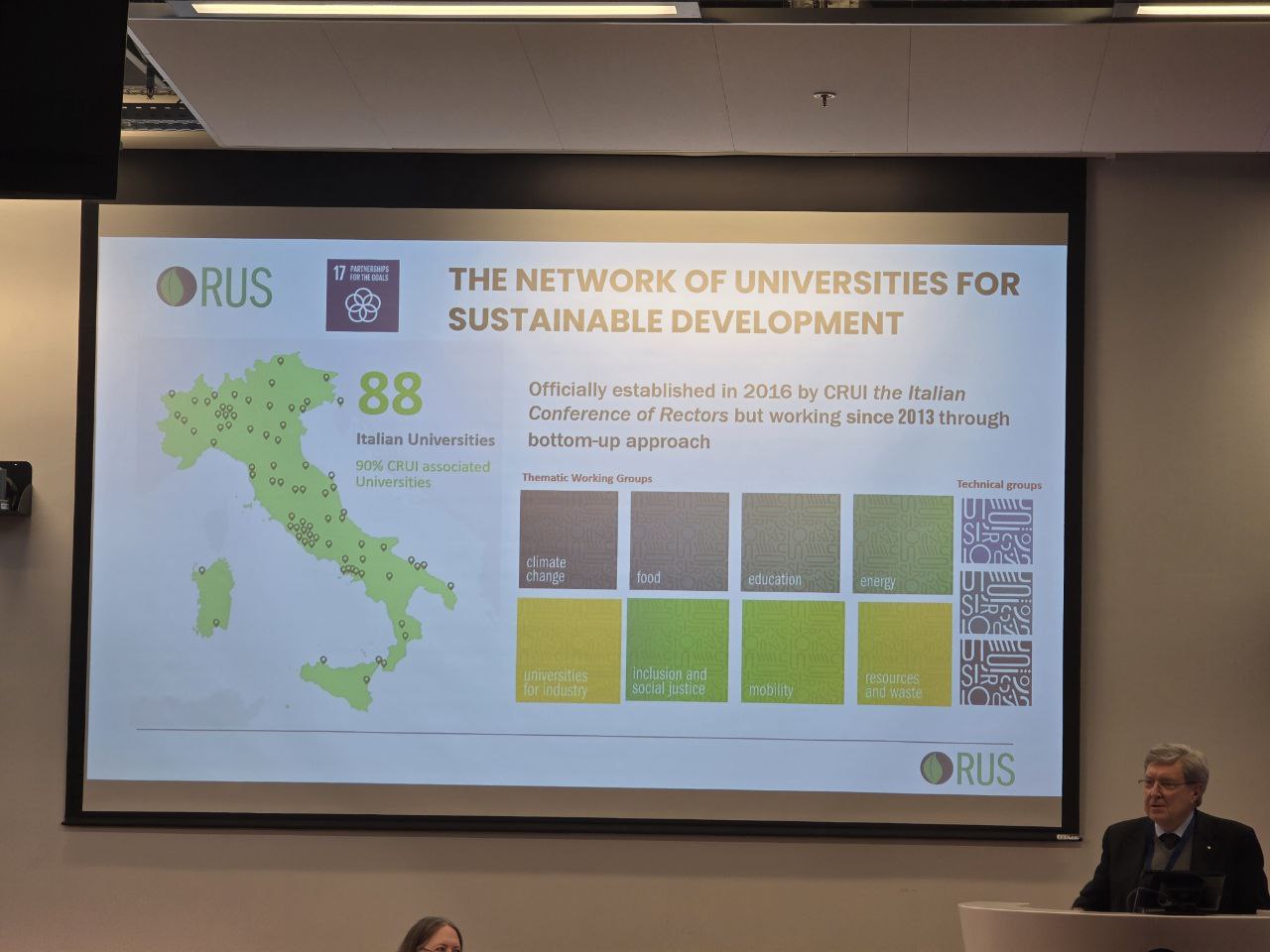
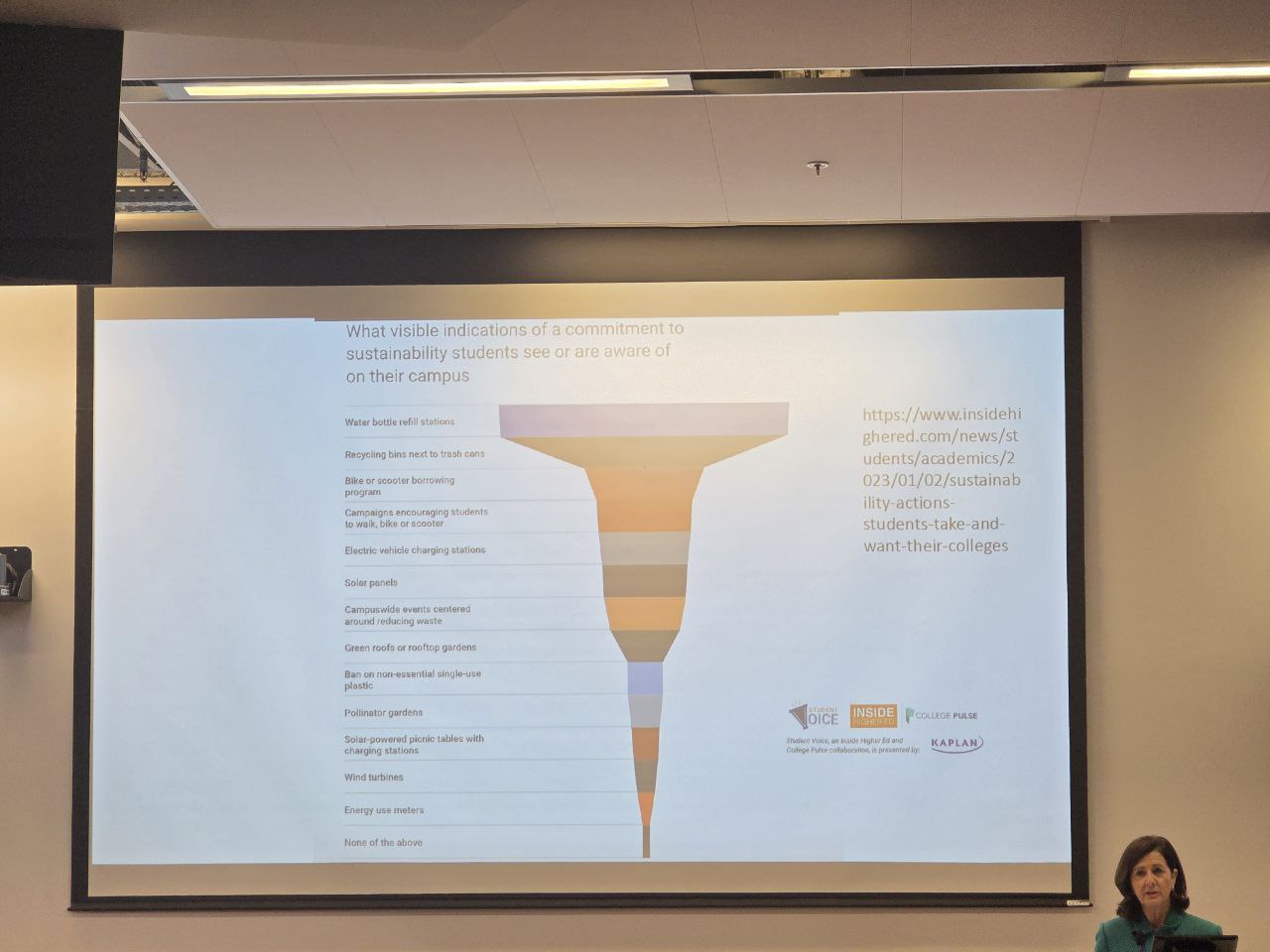
The first plenary session “The Role of Universities in Ensuring Sustainable Development” brought together leading educators to discuss the impact of universities on achieving the UN Sustainable Development Goals. Keynote speakers, including Professor Enrico Giovannini from the Italian University of Tor Vergata, emphasized the growing role of universities in shaping the strategy for sustainable development. As an example, the professor presented the Italian network of universities working towards sustainable development. This network includes over 80 universities actively involved in the work of thematic groups on climate change, energy, mobility and social justice. The results of implementing sustainable development principles into the strategic plans of universities were also presented.
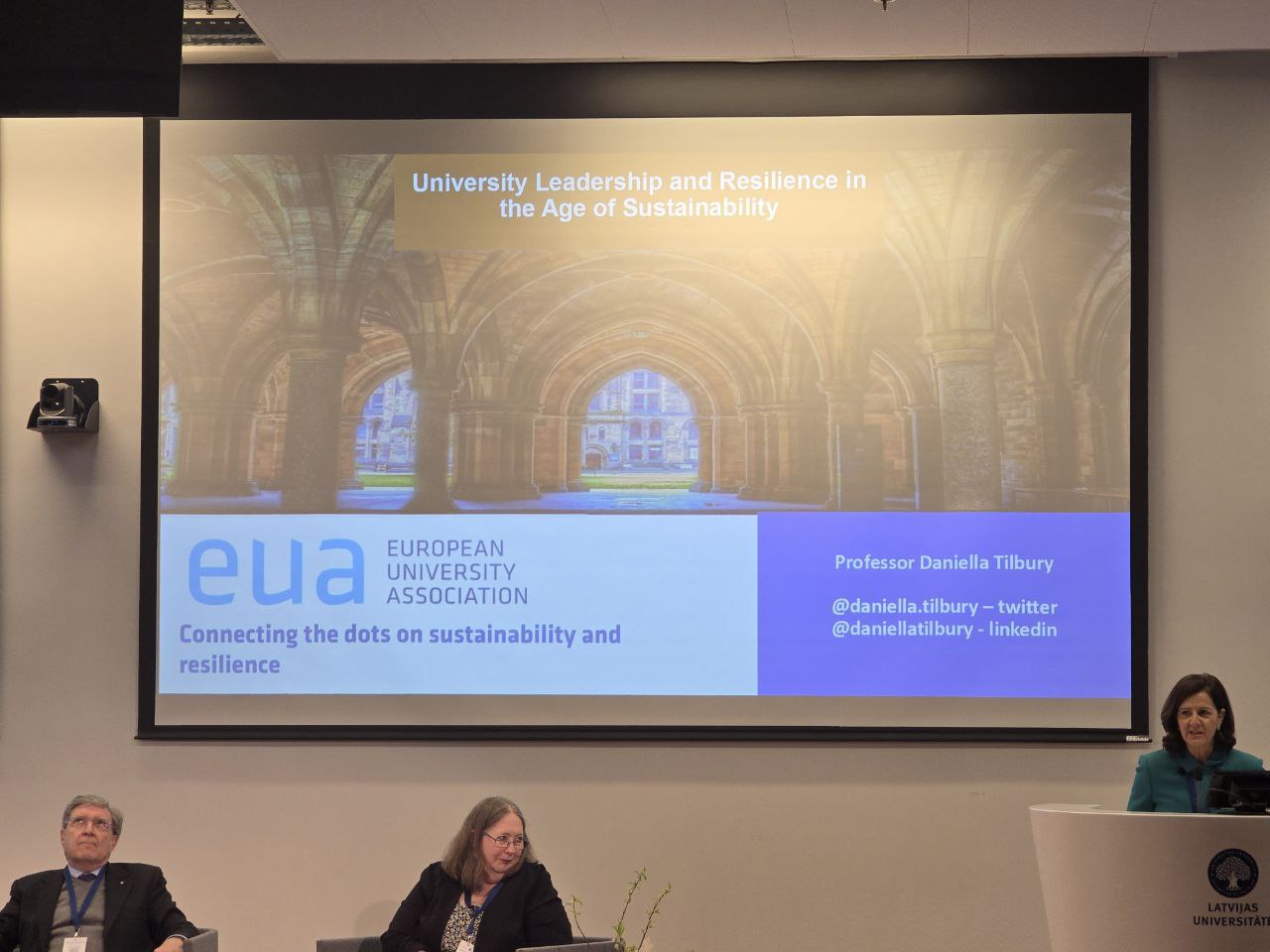
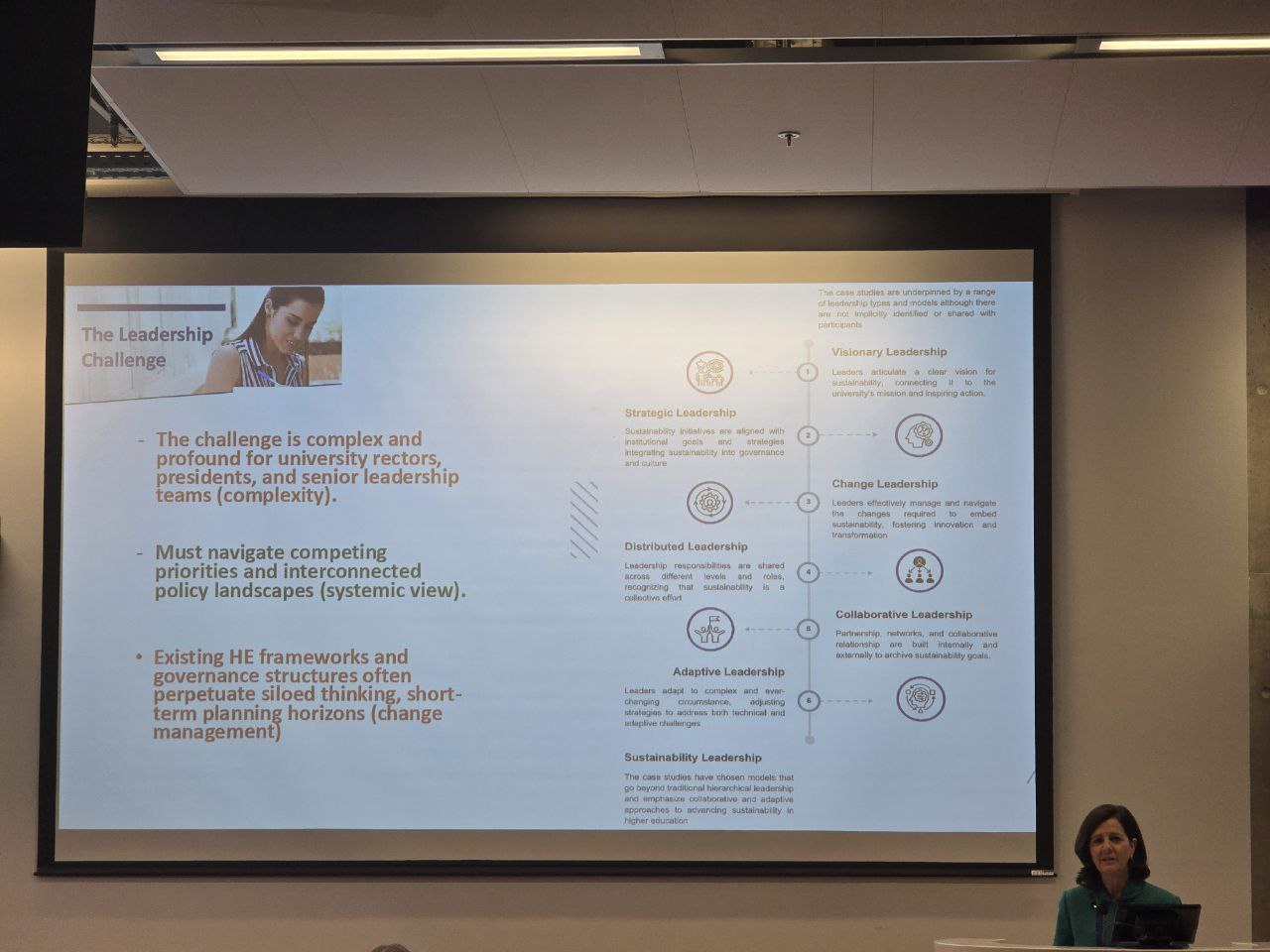
Professor Danielle Tilbury from the United Nations Economic Commission for Europe made a report on the need to change the approaches of university management to sustainable development goals: they should be integrated not as a separate topic or project, but as a fundamental principle of direct leadership and strategic management of universities.
Representatives of universities actively shared the practices and results of their own sustainable development strategies during thematic sections.
For example, representatives of the Tallinn University of Technology presented a strategy for achieving climate neutrality by 2035, which provides for the integration of sustainable practices in teaching, research and campus management. Colleagues from the National Polytechnic University of Armenia (NPUA) shared their experience in implementing sustainability principles as a continuous process, emphasizing the need to integrate these principles into curricula and research activities.
The conference paid special attention to crisis management. The roundtable of university leaders presented cases on overcoming recent crises: the COVID-19 pandemic and cyberattacks. Participants discussed effective tools for decision-making and ensuring the resilience of university communities.
The first day of the conference ended with a plenary session dedicated to ensuring attractive and sustainable academic careers. Participants discussed recommendations for creating conditions for talent development in higher education that combine stability, attractiveness and sustainability, which are important for the long-term success of universities.
Working together – developing together!